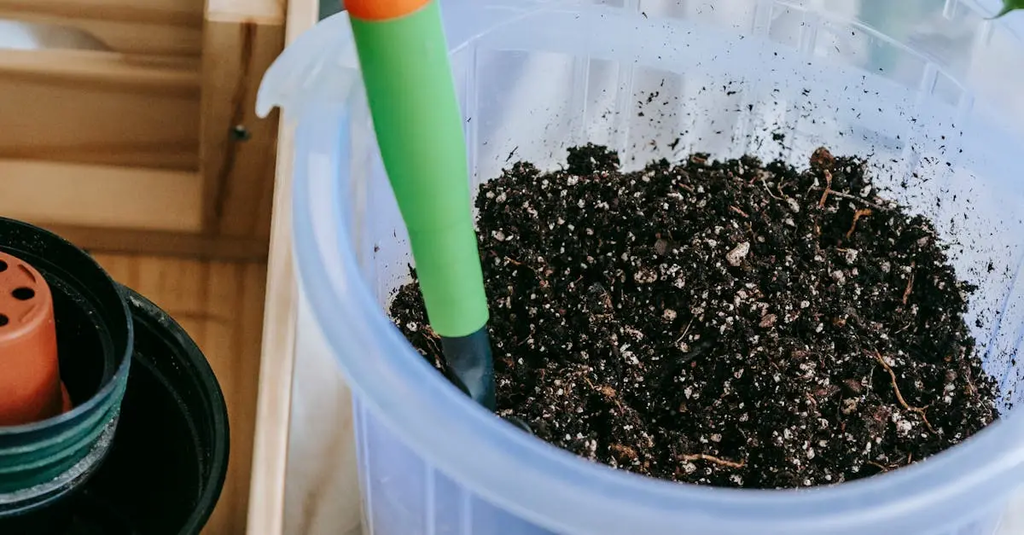
Soil ecology and microbiomes refer to the study of interactions among soil organisms, including bacteria, fungi, and other microorganisms, and their environment. These communities play a crucial role in nutrient cycling, organic matter decomposition, and plant health. Understanding soil microbiomes helps improve agricultural productivity, ecosystem sustainability, and environmental resilience by revealing how diverse soil organisms contribute to soil fertility and the overall functioning of terrestrial ecosystems.
Soil Ecology & Microbiomes
Soil ecology and microbiomes refer to the study of interactions among soil organisms, including bacteria, fungi, and other microorganisms, and their environment. These communities play a crucial role in nutrient cycling, organic matter decomposition, and plant health. Understanding soil microbiomes helps improve agricultural productivity, ecosystem sustainability, and environmental resilience by revealing how diverse soil organisms contribute to soil fertility and the overall functioning of terrestrial ecosystems.
💡 Key Takeaways
- Understand how soil bacteria and fungi drive nutrient cycling and plant health in home gardens.
- Identify the key microbial roles in organic matter decomposition and nutrient release.
- Explain how soil conditions—pH, moisture, and organic matter—shape microbial communities.
- Discover practical ways to nurture a healthy soil microbiome in your garden (composting, mulching, reducing chemical inputs).
❓ Frequently Asked Questions
What is the soil microbiome?
The community of microscopic life in soil—bacteria, fungi, archaea and other organisms—that interact with each other and the environment to drive nutrient cycling and soil health.
How do soil microbes help plants?
They decompose organic matter, release nutrients for uptake, and form associations (like mycorrhizal fungi) that boost water and nutrient absorption and can help suppress some diseases.
What factors influence soil microbiomes in a home garden?
Organic matter, moisture, soil structure and aeration, pH, temperature, and management practices such as composting, mulching, and reduced tillage.
How can I support a healthy soil microbiome?
Feed them with compost and mulch, plant diverse species, minimize disturbance and chemical use, maintain even soil moisture, and use cover crops or crop rotation to sustain microbial life.