The Solar System consists of the Sun and all celestial bodies orbiting it, including planets, moons, asteroids, and comets. Stellar life cycles refer to the stages a star undergoes, from its formation in a nebula, through its main sequence phase, to its eventual death as a white dwarf, neutron star, or black hole. Both concepts illustrate the dynamic and interconnected nature of cosmic evolution.
Solar System & Stellar Life Cycles
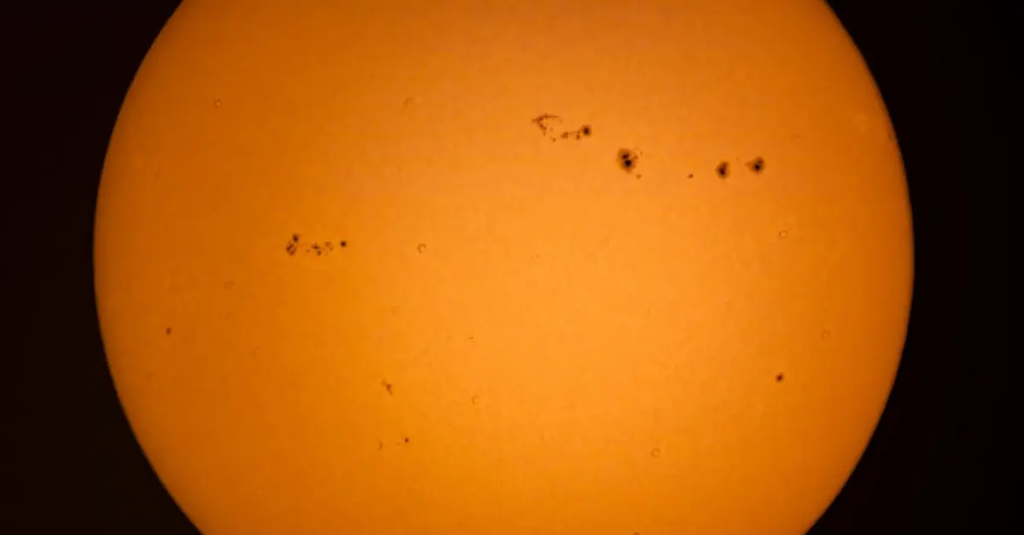
The Solar System consists of the Sun and all celestial bodies orbiting it, including planets, moons, asteroids, and comets. Stellar life cycles refer to the stages a star undergoes, from its formation in a nebula, through its main sequence phase, to its eventual death as a white dwarf, neutron star, or black hole. Both concepts illustrate the dynamic and interconnected nature of cosmic evolution.
💡 Key Takeaways
- Identify the key components of the Solar System: the Sun, planets, moons, asteroids, and comets, and their basic roles.
- Outline the stages of a star's life cycle—from formation in a nebula to the main sequence and end states as a white dwarf or neutron star.
- Explain how a star's mass affects its evolution and final fate.
- Describe how gravitational interactions shape orbital motion and the overall structure of the Solar System.
❓ Frequently Asked Questions
What is the Solar System?
The Sun and all objects bound to it by gravity, including eight planets (Mercury–Neptune), their moons, as well as asteroids, comets, and distant belts like the Kuiper Belt and Oort Cloud.
How do stars form and what is the main sequence?
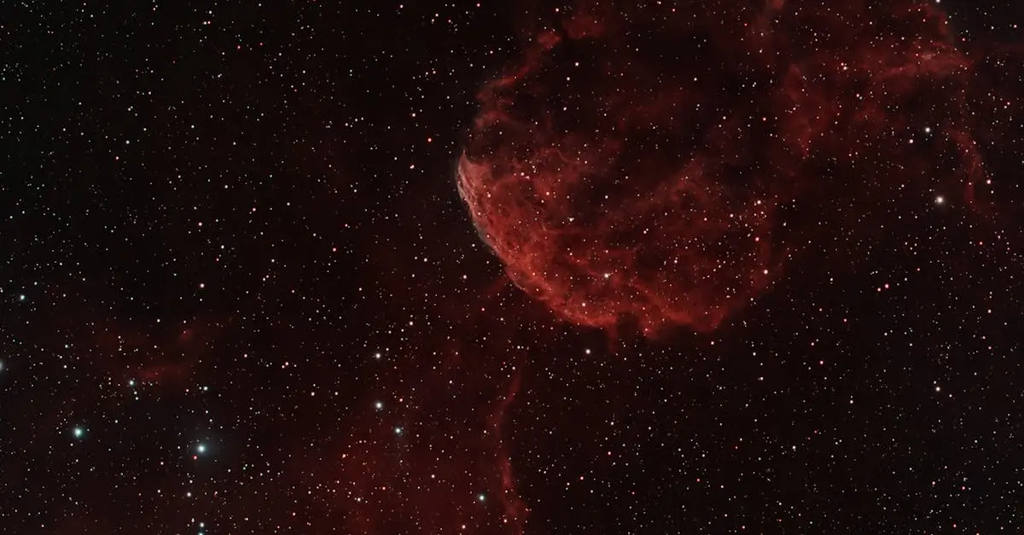
Stars form from collapsing gas and dust in nebulae. When the core becomes hot enough, hydrogen fusion starts and the star enters the main sequence, where it fuses hydrogen in its core for most of its life.
What are the main stages of a stellar life cycle?
A star forms in a nebula as a protostar, then reaches the main sequence. After exhausting core hydrogen, it becomes a red giant or red supergiant, and ends as a white dwarf (low/medium-mass stars) or a neutron star/black hole (massive stars), often following a supernova.
How do planets differ from stars?
Planets orbit stars, do not generate energy by fusion, and can be rocky or gaseous with moons. Stars produce energy through nuclear fusion in their cores and glow.