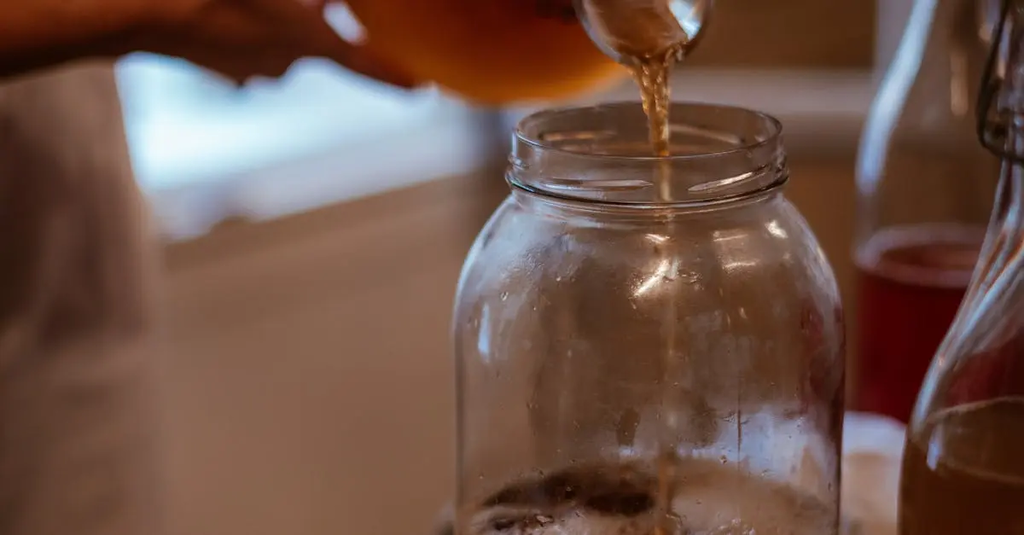
Sourdough Science and Practice refers to the understanding and application of the biological and chemical processes involved in making sourdough bread. It encompasses the study of natural fermentation, the roles of wild yeasts and lactic acid bacteria, and how factors like temperature, hydration, and flour type affect flavor and texture. Practice involves hands-on skills such as mixing, kneading, proofing, and baking to create high-quality, flavorful sourdough bread.
Sourdough Science and Practice
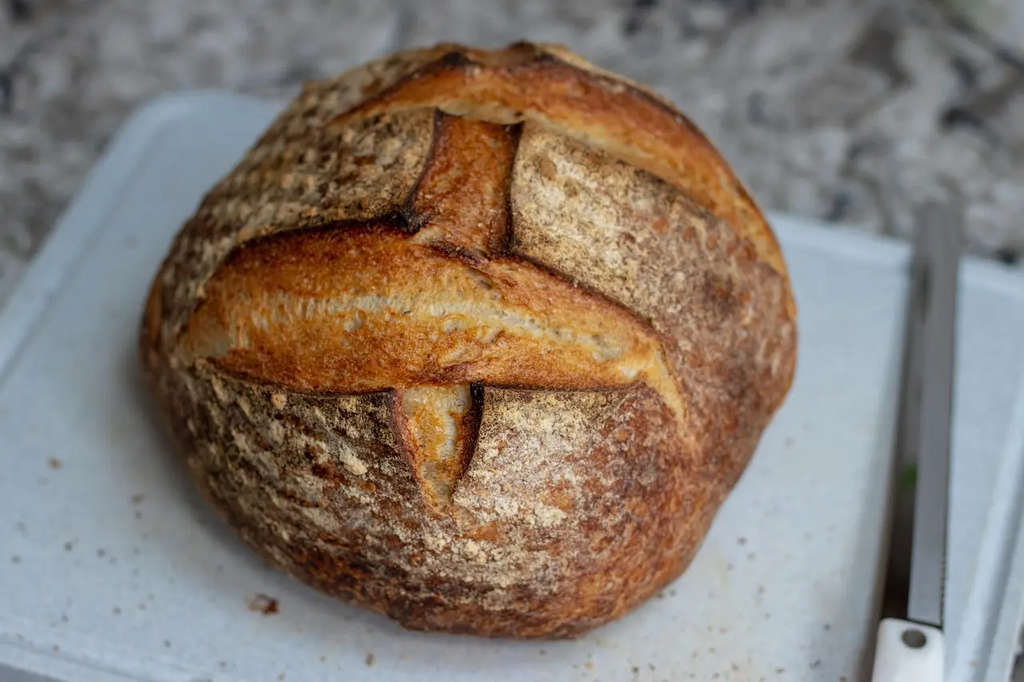
Sourdough Science and Practice refers to the understanding and application of the biological and chemical processes involved in making sourdough bread. It encompasses the study of natural fermentation, the roles of wild yeasts and lactic acid bacteria, and how factors like temperature, hydration, and flour type affect flavor and texture. Practice involves hands-on skills such as mixing, kneading, proofing, and baking to create high-quality, flavorful sourdough bread.
💡 Key Takeaways
- Understand how sourdough fermentation uses wild yeasts and lactic acid bacteria to leaven dough and develop flavor.
- Learn how starter maintenance, hydration level, and fermentation temperature shape acidity, aroma, and crumb.
- See how dough hydration, fermentation duration, and temperature affect gas production, gluten development, and crumb texture.
- Get practical techniques for managing sourdough activity—feeding schedules, levain preparation, and controlled proofing for the desired sourness and texture.
❓ Frequently Asked Questions
What is sourdough science?
The study of the biological and chemical processes in sourdough bread, including fermentation, enzyme activity, and dough chemistry.
Which microbes are involved and what do they do?
Wild yeasts produce gas to leaven the dough, while lactic acid bacteria create lactic and acetic acids that add flavor, texture, and preservation, working together with enzymes.
How do temperature and hydration affect sourdough?
Temperature speeds or slows fermentation; higher hydration (more water) changes dough texture and can lead to a lighter crumb, while cooler temperatures can enhance acidity and structure.
How should I care for a sourdough starter?
Feed with fresh flour and water regularly to refresh the culture (daily at room temperature or weekly in the fridge); discard a portion to maintain balance and prevent overgrowth.