Sous vide cooking fundamentals involve sealing food in airtight bags and immersing them in a precisely controlled water bath. This technique ensures even cooking by maintaining a constant low temperature, preserving moisture, flavor, and nutrients. The process allows for consistent doneness throughout the food and minimizes the risk of overcooking. Sous vide is popular for its ability to enhance texture and tenderness, especially in meats, and is widely used by professional and home chefs alike.
Sous Vide Cooking Fundamentals
Sous vide cooking fundamentals involve sealing food in airtight bags and immersing them in a precisely controlled water bath. This technique ensures even cooking by maintaining a constant low temperature, preserving moisture, flavor, and nutrients. The process allows for consistent doneness throughout the food and minimizes the risk of overcooking. Sous vide is popular for its ability to enhance texture and tenderness, especially in meats, and is widely used by professional and home chefs alike.
💡 Key Takeaways
- Understand the core sous vide concept: sealing food in airtight bags and cooking in a precisely controlled water bath.
- Learn how a constant low temperature yields even doneness while preserving moisture, flavor, and nutrients.
- Identify how to set target temperatures and cook times for different foods to achieve the desired doneness.
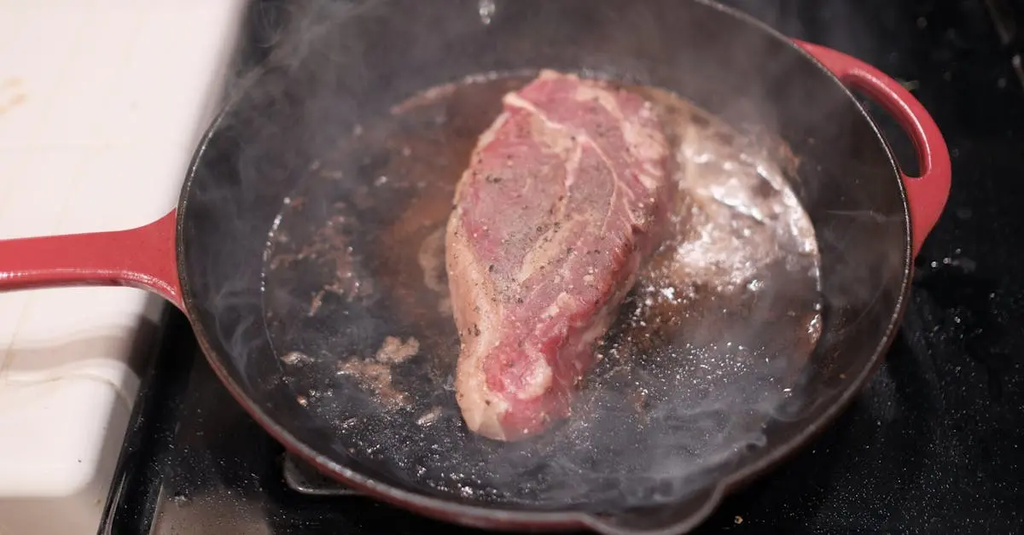
- Get practical prep tips (bag prep, air removal, and finishing sear) to maximize texture and flavor.
❓ Frequently Asked Questions
What is sous vide cooking?
Sous vide is a method of sealing food in airtight bags and cooking it in a precisely controlled water bath at a steady, low temperature to achieve even doneness and moisture retention.
Why seal food in bags and use a water bath?
Sealing preserves moisture and flavors, while the precise water bath provides gentle, uniform heat that prevents overcooking and helps maintain nutrients.
How does sous vide produce even doneness and keep meat juicy?
Cooking at a constant, low temperature makes the entire piece reach target doneness at once, reducing moisture loss; finishing steps like a quick sear add texture and aroma.
Can sous vide pasteurize foods, and is it safe?
Yes, when time and temperature are sufficient to reduce pathogens. Always follow tested safety guidelines for your product and use proper handling.