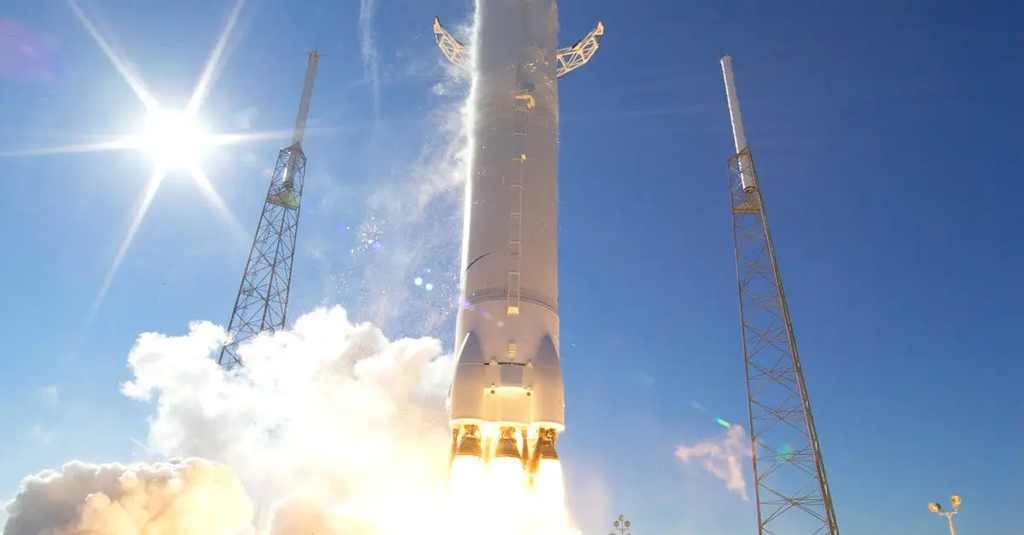
Space debris mitigation refers to strategies and technologies aimed at reducing the creation and accumulation of non-functional satellites and fragments in Earth’s orbit, which can pose collision risks to operational spacecraft. In-orbit servicing involves the repair, refueling, or upgrading of satellites and space infrastructure while in space, helping to extend their operational life and reduce the need to launch replacements, thus contributing to a cleaner and safer orbital environment.
Space debris mitigation and in-orbit servicing
Space debris mitigation refers to strategies and technologies aimed at reducing the creation and accumulation of non-functional satellites and fragments in Earth’s orbit, which can pose collision risks to operational spacecraft. In-orbit servicing involves the repair, refueling, or upgrading of satellites and space infrastructure while in space, helping to extend their operational life and reduce the need to launch replacements, thus contributing to a cleaner and safer orbital environment.
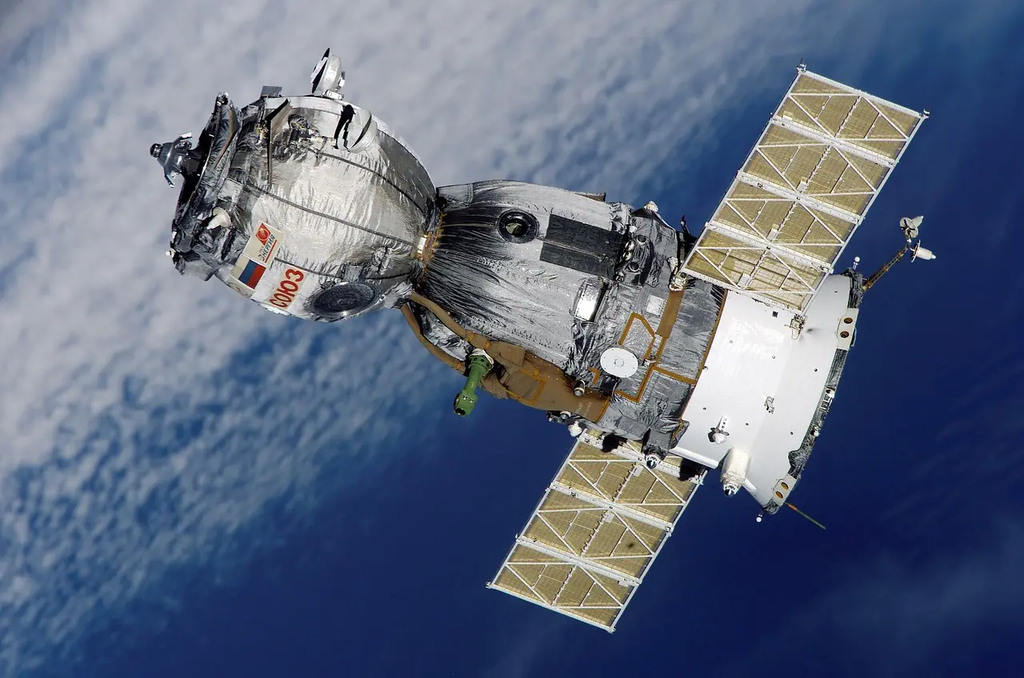
💡 Key Takeaways
- Understand why space debris is a hazard to satellites and missions and how collision risk is assessed.
- Identify key debris mitigation approaches and technologies (design for demise, post-mission disposal, passivation, and active debris removal concepts).
- Explain in-orbit servicing basics—repair, refueling, and upgrades—and the enabling technologies behind them.
- Learn about the UK's role in debris reduction and in-orbit servicing, including notable programs, research, and industry partnerships.
❓ Frequently Asked Questions
What is space debris and why is it a problem?
Space debris refers to non-functional satellites and fragments orbiting Earth. They travel at high speeds and can collide with operational spacecraft, creating more debris and increasing collision risk.
What does space debris mitigation involve?
Mitigation involves designing satellites to minimize debris creation, preventing explosions, and planning end-of-life disposal to reduce long-term orbital clutter.
What is in-orbit servicing?
In-orbit servicing means repairing, refueling, upgrading, or repositioning satellites while they remain in orbit, extending their lifetimes and reducing the need for new launches.
How is the UK involved in debris mitigation and in-orbit servicing?
UK researchers and industry are developing technologies for debris tracking, autonomous docking, robotic servicing, and policy frameworks to enable safer, more sustainable space operations.
What are some challenges in implementing these approaches?
Challenges include technical feasibility of docking and servicing, safety and liability, cost, and coordinating international standards for space traffic management.