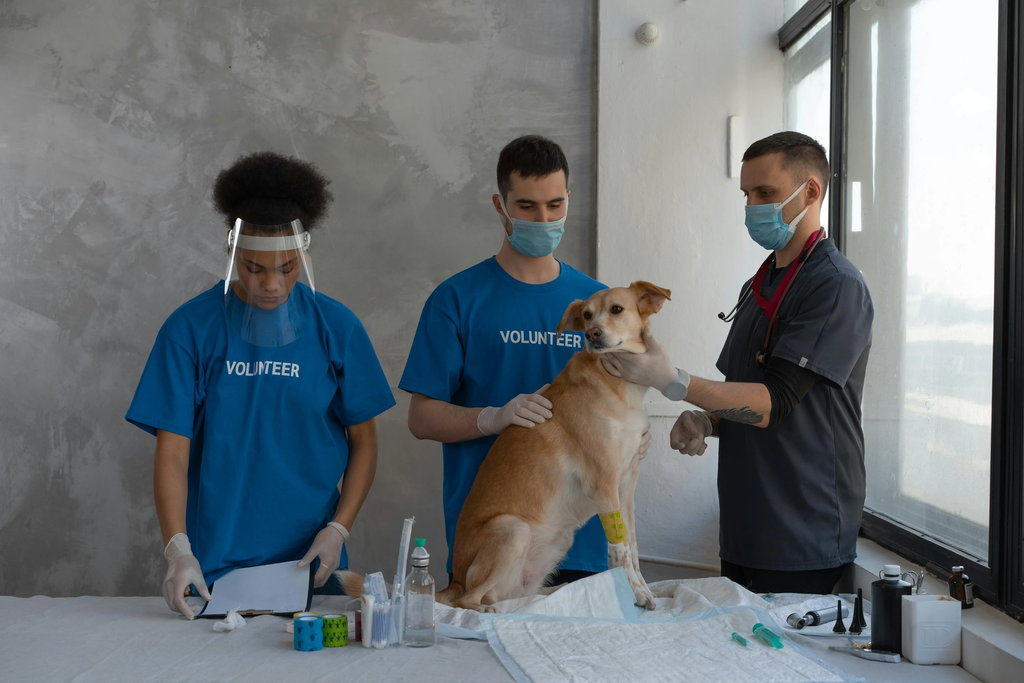
Spay/neuter refers to surgical procedures that prevent animals from reproducing—spaying for females and neutering for males. These procedures are essential for controlling pet overpopulation, reducing the number of unwanted animals, and preventing certain health issues and behavioral problems. Reproductive health encompasses the overall well-being of an animal’s reproductive system, including disease prevention, fertility management, and responsible breeding practices to ensure healthy pets and reduce the spread of genetic disorders.
Spay/Neuter & Reproductive Health
Spay/neuter refers to surgical procedures that prevent animals from reproducing—spaying for females and neutering for males. These procedures are essential for controlling pet overpopulation, reducing the number of unwanted animals, and preventing certain health issues and behavioral problems. Reproductive health encompasses the overall well-being of an animal’s reproductive system, including disease prevention, fertility management, and responsible breeding practices to ensure healthy pets and reduce the spread of genetic disorders.

💡 Key Takeaways
- Understand what spay (females) and neuter (males) involve and which organs are affected.
- Learn how spay/neuter helps prevent pet overpopulation and reduces the number of unwanted animals.
- Identify health benefits and considerations (e.g., reduced risk of pyometra and certain cancers) and timing implications.
- Explore common behavioral changes after spay/neuter and guidance on post-operative care.
❓ Frequently Asked Questions
What is spay/neuter and why is it important?
Spaying (females) and neutering (males) are surgeries that prevent animals from reproducing. They help reduce pet overpopulation, prevent certain health issues, and can curb behavioral problems related to mating urges.
When should I spay or neuter my pet?
Typically around 4–6 months of age for dogs and cats, but timing varies by breed, size, health, and veterinarian guidance. Some shelters perform early-age procedures when appropriate.
What post-operative care is needed after spay/neuter?
Provide rest and limited activity for 10–14 days, prevent licking with an Elizabethan collar, keep the incision clean and dry, and follow your vet’s pain and feeding instructions. Seek veterinary advice if there are signs of trouble (vomiting, lethargy, swelling, or bleeding).
What are the health and behavior benefits beyond preventing reproduction?
Benefits can include lower risk of certain cancers and infections (e.g., mammary tumors if done before first heat, pyometra in females; lower risk of testicular cancer in males) and reduced roaming or marking. Weight management remains important to prevent obesity.