Spices and herbs basics refer to the foundational knowledge of using plant-derived seasonings to enhance food flavor, aroma, and color. Spices typically come from seeds, bark, roots, or fruits, while herbs are usually the leaves of certain plants. Understanding their distinct characteristics, proper storage, and pairing with various cuisines helps in creating balanced and flavorful dishes. Mastery of these basics is essential for both home cooks and professional chefs.
Spices and Herbs Basics
Spices and herbs basics refer to the foundational knowledge of using plant-derived seasonings to enhance food flavor, aroma, and color. Spices typically come from seeds, bark, roots, or fruits, while herbs are usually the leaves of certain plants. Understanding their distinct characteristics, proper storage, and pairing with various cuisines helps in creating balanced and flavorful dishes. Mastery of these basics is essential for both home cooks and professional chefs.
💡 Key Takeaways
- Differentiate between spices and herbs by their plant parts and typical uses.
- Identify common spices and herbs and understand their flavor profiles.
- Learn how to store spices and herbs to preserve aroma, color, and potency.
- Understand when and how to add spices and herbs for maximum flavor without overpowering the dish.
❓ Frequently Asked Questions
What is the difference between spices and herbs?
Spices come from seeds, bark, roots, or fruits of plants and are usually dried; herbs come from the leaves of plants and can be used fresh or dried.
Can you give examples of common spices and common herbs?
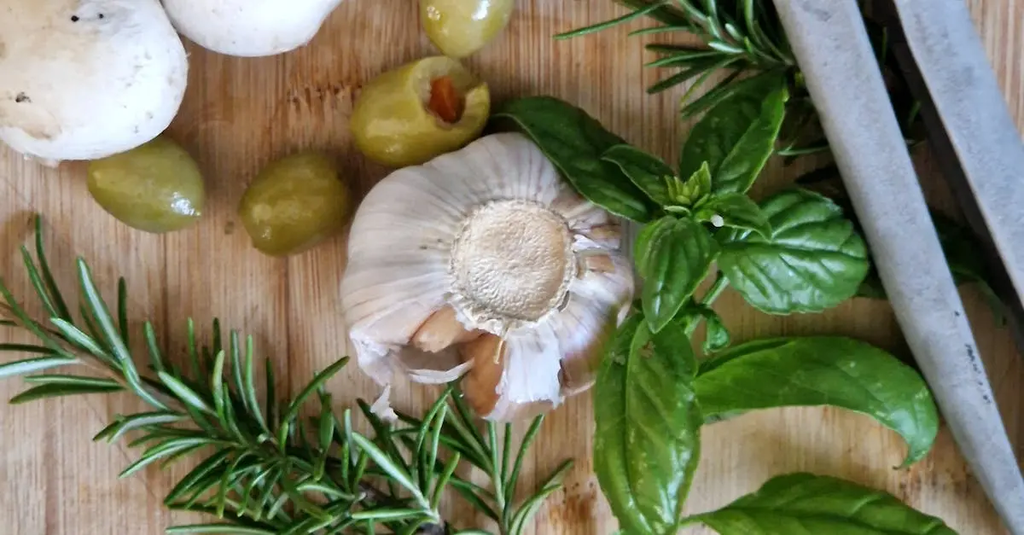
Spices: peppercorns, cinnamon, ginger, turmeric, cumin seeds, coriander seeds. Herbs: basil, parsley, cilantro, thyme, oregano, rosemary, mint.
How should spices and herbs be stored to keep their flavor?
Store in airtight containers away from light and heat. Whole spices retain flavor longer than ground ones; grind only as needed. Dried herbs lose potency over time.
How do I substitute dried vs fresh herbs or spices?
Fresh herbs are usually 3 times stronger than dried; a common ratio is 1 tablespoon fresh = 1 teaspoon dried. For spices, if substituting ground for whole, start with about half the amount and adjust to taste.
What are quick tips to maximize flavor without overpowering a dish?
Toast whole spices to release aroma; bloom dried spices in fat or oil; add delicate herbs near the end; season gradually and taste as you go.