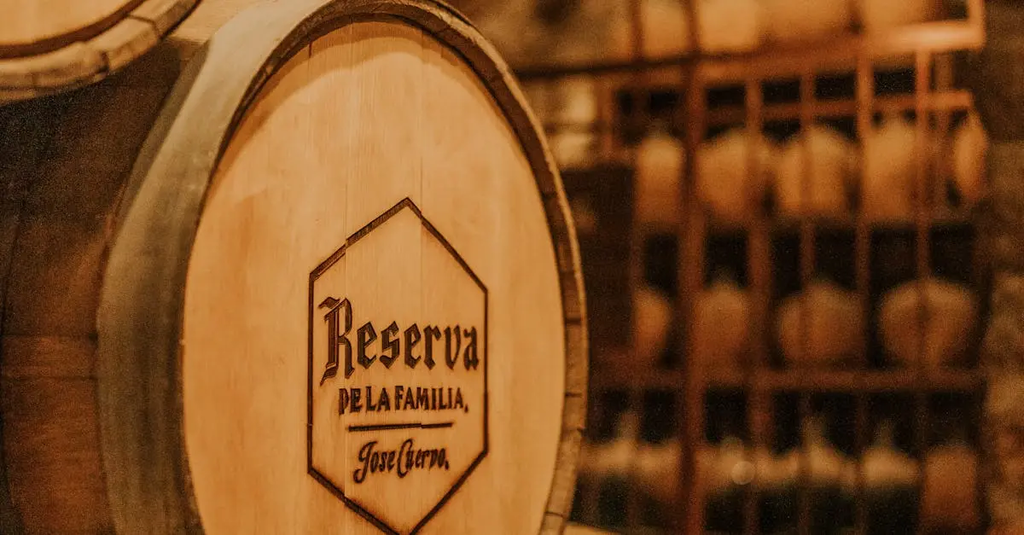
"Spices & Ingredients: Terroir & Provenance" refers to the unique qualities that spices and ingredients acquire from the specific geographic regions where they are grown. Terroir encompasses the climate, soil, and environmental factors influencing flavor and aroma, while provenance highlights the origin and history of these ingredients. Together, they shape the authenticity, taste, and cultural significance of culinary elements, making each spice or ingredient distinct and deeply connected to its place of origin.
Spices & Ingredients: Terroir & Provenance
"Spices & Ingredients: Terroir & Provenance" refers to the unique qualities that spices and ingredients acquire from the specific geographic regions where they are grown. Terroir encompasses the climate, soil, and environmental factors influencing flavor and aroma, while provenance highlights the origin and history of these ingredients. Together, they shape the authenticity, taste, and cultural significance of culinary elements, making each spice or ingredient distinct and deeply connected to its place of origin.
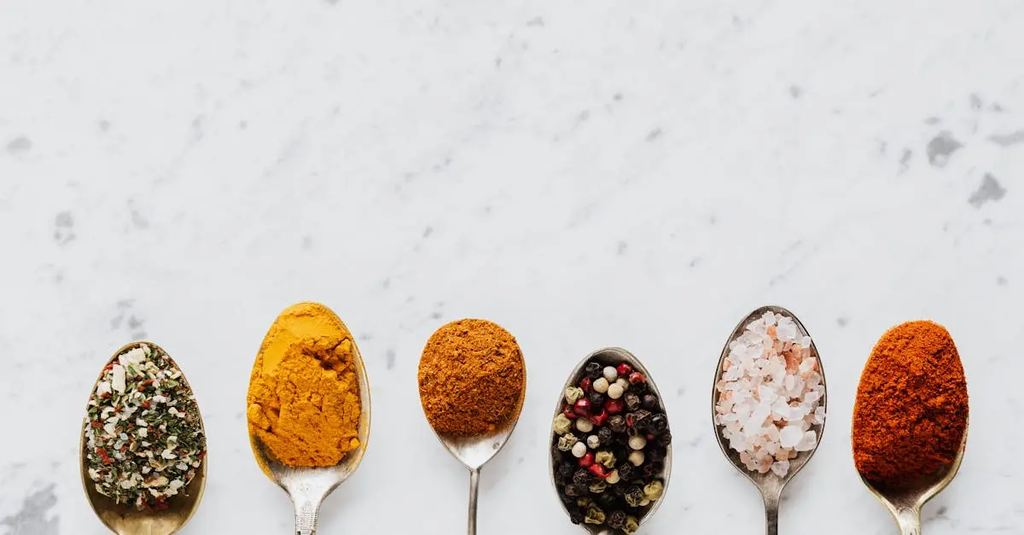
💡 Key Takeaways
- Understand how terroir—climate, soil, and environment—shapes the flavor and aroma of spices and ingredients.
- Grasp the concept of provenance—origin, traceability, and ethical considerations—and why it affects quality and authenticity.
- Learn how harvest timing, processing, and post-harvest handling interact with terroir to influence final flavor.
- Develop skills to read origin labels and select ingredients to match desired geographic flavor profiles.
- Explore real-world terroir examples and how to pair regionally influenced spices with dishes.
❓ Frequently Asked Questions
What does terroir mean in spices and ingredients?
Terroir is the combined influence of climate, soil, altitude, and environment on flavor and aroma, causing regional differences in taste.
What is provenance in food, and why does it matter?
Provenance is the origin and history of a product—where it’s grown, harvested, and how it’s sourced—helping verify authenticity, quality, and sustainability.
How do terroir and provenance affect flavor and cooking?
Terroir shapes flavor compounds giving regional character; provenance provides confidence in origin and freshness and supports ethical sourcing.
Can terroir vary within a single region?
Yes. Microclimates and local soils can create distinct flavor notes. Look for labeling, varieties, harvest info, and tasting notes to spot terroir differences.