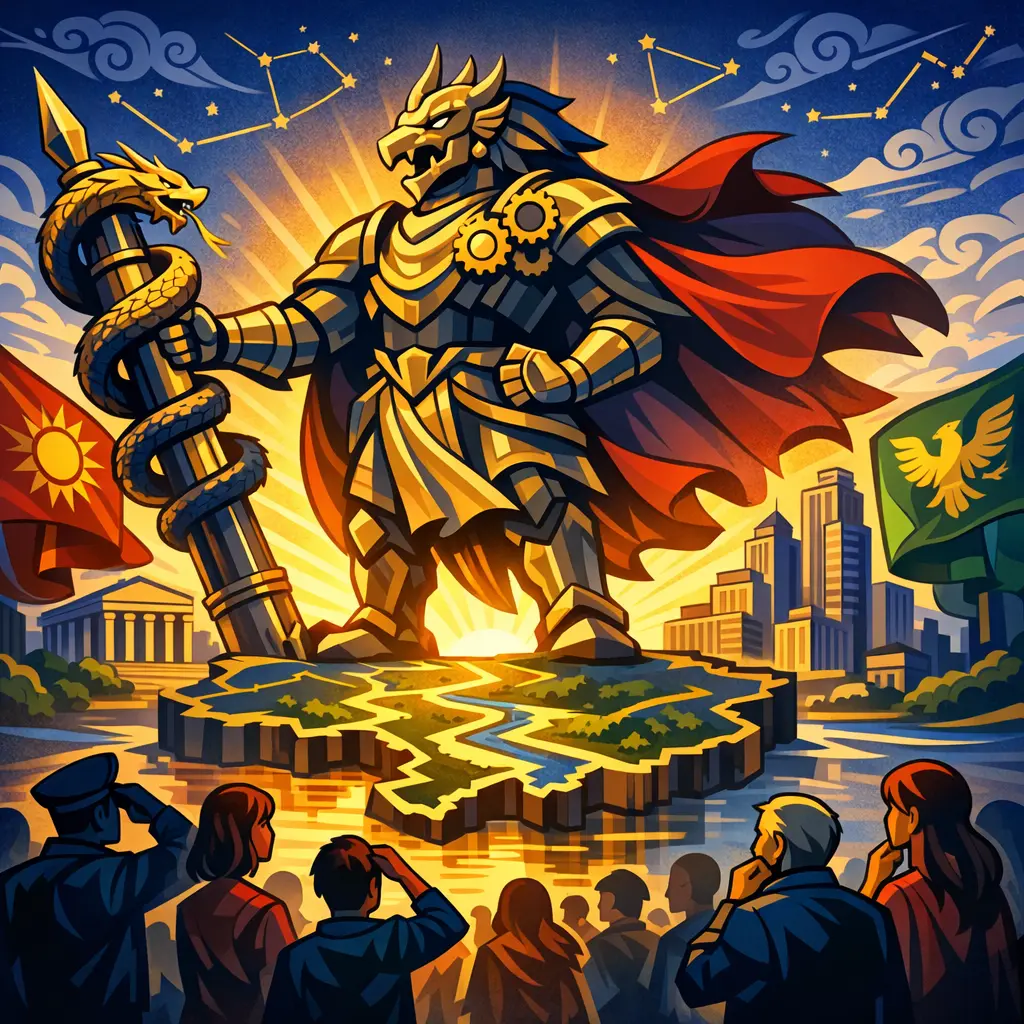
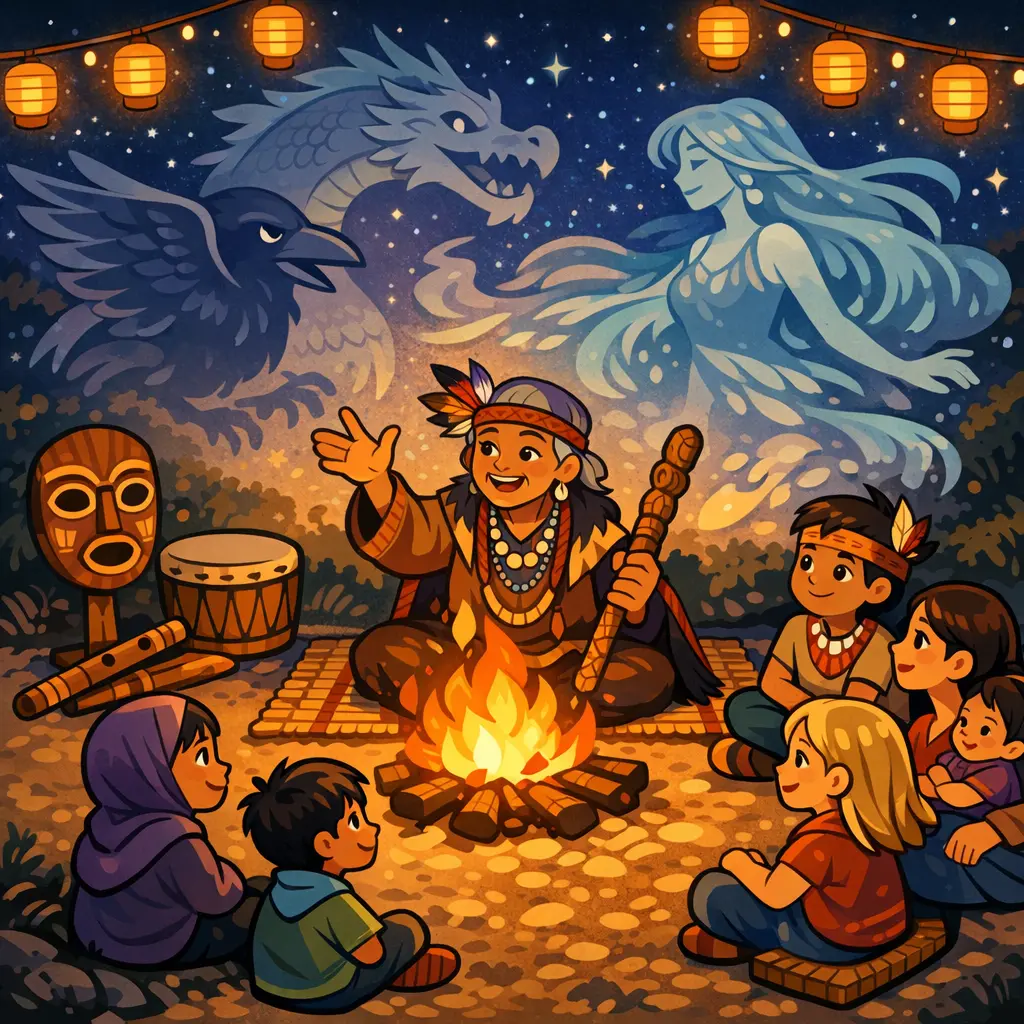
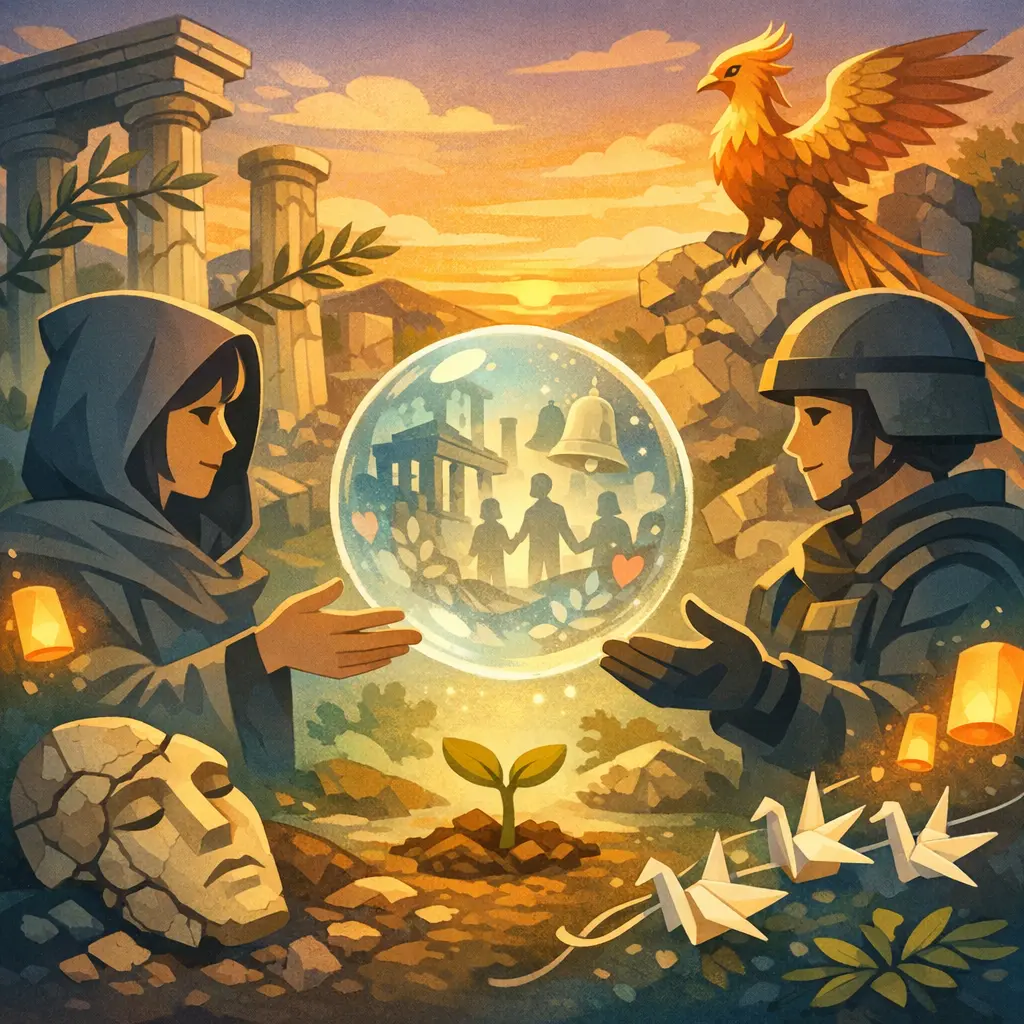
Sports, games, and cultural expression encompass the ways in which societies celebrate, compete, and connect through physical activities, traditional pastimes, and artistic practices. These elements reflect cultural values, religious beliefs, and social structures, fostering community identity and continuity. Through rituals, festivals, and competitions, individuals express creativity, reinforce social bonds, and transmit heritage, making sports, games, and cultural expression vital to understanding the interplay between culture, religion, and society.
Sports, Games & Cultural Expression
Sports, games, and cultural expression encompass the ways in which societies celebrate, compete, and connect through physical activities, traditional pastimes, and artistic practices. These elements reflect cultural values, religious beliefs, and social structures, fostering community identity and continuity. Through rituals, festivals, and competitions, individuals express creativity, reinforce social bonds, and transmit heritage, making sports, games, and cultural expression vital to understanding the interplay between culture, religion, and society.
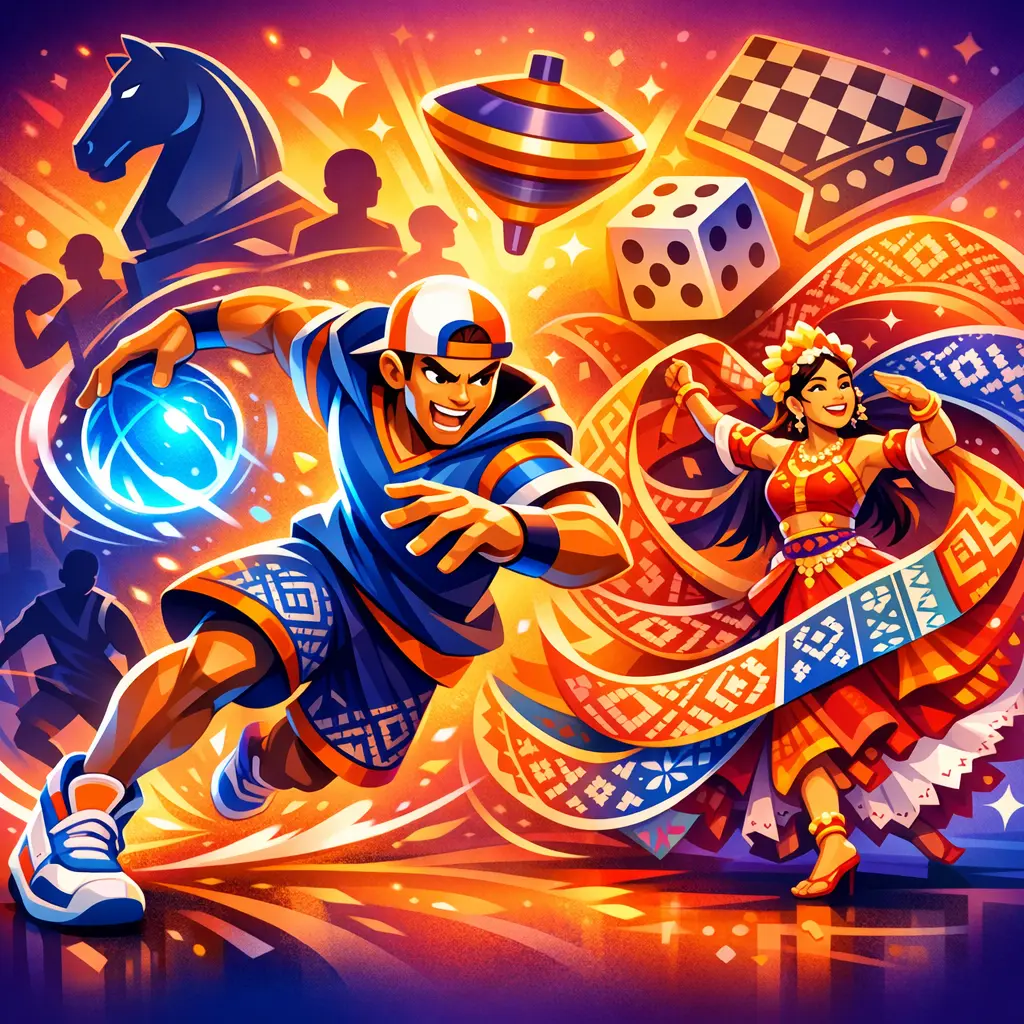
💡 Key Takeaways
- Explore how sports, games, and cultural expression reflect identity and community values
- Learn the rules, etiquette, and fair-play principles that guide competition
- See how teamwork, strategy, and practice drive success across different activities
- Discover the cultural significance and symbolism behind global games and traditions
- Analyze how media, performance, and fan culture shape sports narratives
❓ Frequently Asked Questions
What does 'cultural expression' mean in the context of sports and games?
It refers to how communities show identity and heritage through sports—via rituals, uniforms, chants, songs, dances, symbols, and ceremonies.
How do traditional games reflect local culture?
Traditional games often originate in a community, use local rules or equipment, and carry cultural meanings, festivals, or storytelling that connect people to their heritage.
What roles do rituals and fan behavior play at sports events?
Rituals, chants, mascots, and ceremonies build shared excitement, reinforce group identity, and show respect for players and opponents.
Why are rules and fair play important in sports and games?
Clear rules and sportsmanship ensure safety, fairness, and consistent competition, giving everyone an equal chance to participate and succeed.