"Work, Labor & Occupational Cultures" examines how different societies organize, value, and experience work and labor. It explores the beliefs, rituals, and social norms that shape occupational roles, as well as how religion, culture, and social structures influence attitudes toward various professions. This field also investigates the meaning people attach to their work, the relationships formed within workplaces, and the broader societal impact of labor practices and occupational identities.
Work, Labor & Occupational Cultures
"Work, Labor & Occupational Cultures" examines how different societies organize, value, and experience work and labor. It explores the beliefs, rituals, and social norms that shape occupational roles, as well as how religion, culture, and social structures influence attitudes toward various professions. This field also investigates the meaning people attach to their work, the relationships formed within workplaces, and the broader societal impact of labor practices and occupational identities.
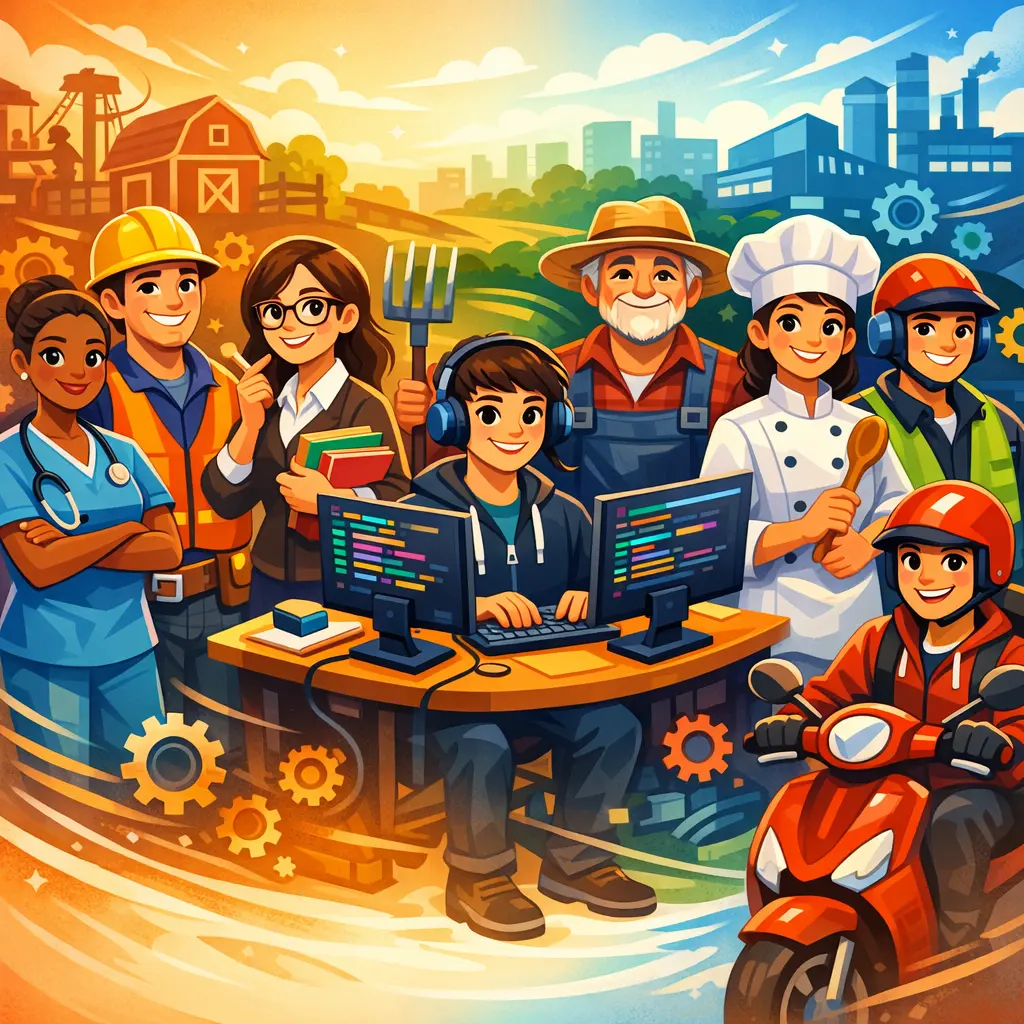
💡 Key Takeaways
- Define work, labor, and occupation and explain how they differ in everyday and economic terms.
- Explore how occupational cultures shape workplace norms, communication styles, and identity across professions.
- Identify factors that influence job satisfaction, motivation, and career development within different labor sectors.
- Recognize the role of labor laws, unions, and safety practices in shaping work conditions and rights.
❓ Frequently Asked Questions
What is "work" vs "labor"?
Work refers to purposeful activities done to earn income or achieve goals; labor is the human effort—physical or mental—behind those activities, often discussed in economic or sociopolitical terms.
What is "occupational culture"?
Occupational culture is the set of shared values, norms, language, and practices that define a profession or workplace and guide how people behave on the job.
What distinguishes a profession from a skilled trade?
Professions typically require formal education, credentials, and a standardized knowledge base; trades are skilled crafts learned through apprenticeships or hands-on training.
What are common elements of workplace culture?
Elements include communication patterns, leadership style, hierarchy, norms about time and productivity, safety practices, collaboration, and inclusivity.
Why study work and occupational cultures in quizzes?
Understanding these concepts helps you recognize norms, power relations, and terminology, making it easier to interpret questions about roles and workplace dynamics.