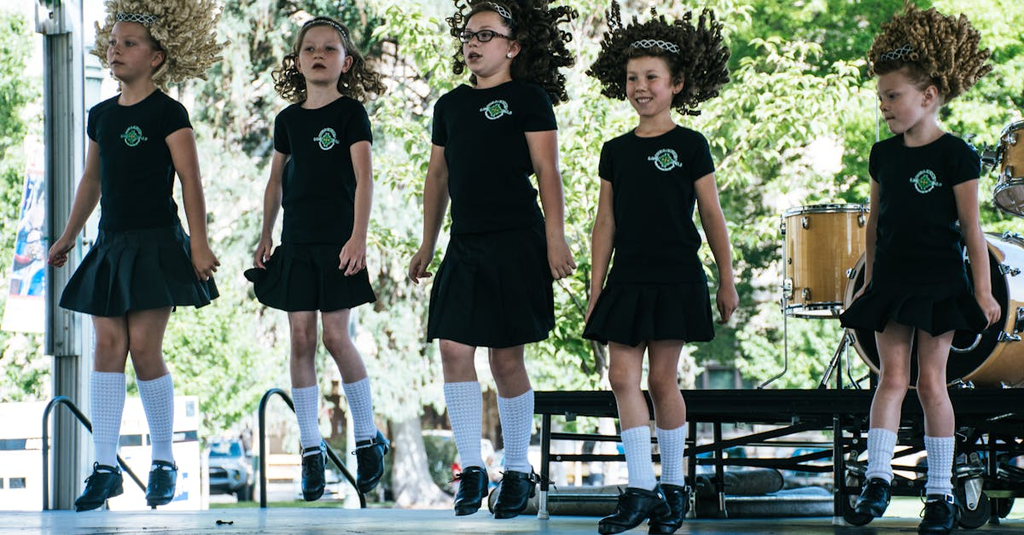
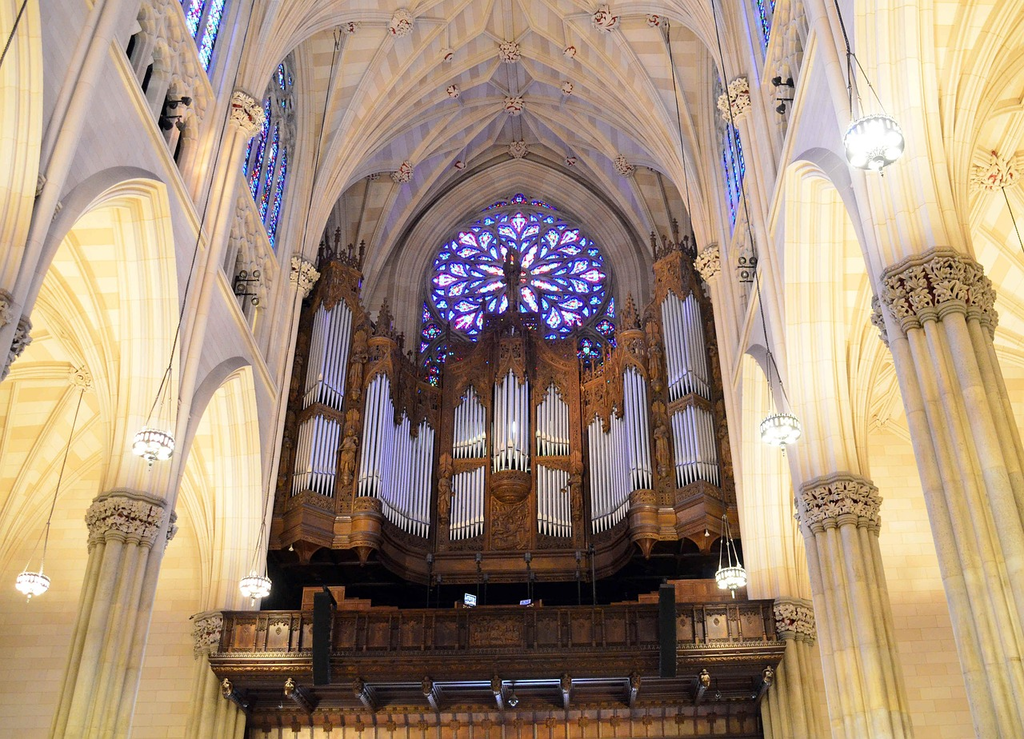
St. Patrick's Day, originally an Irish religious holiday honoring the patron saint of Ireland, has transformed into a global celebration through the forces of globalization. Today, people worldwide—regardless of heritage—participate in festivities marked by parades, green attire, and Irish-themed events. This international adoption reflects cultural exchange, commercialization, and the spread of Irish diaspora, turning St. Patrick's Day into a symbol of shared celebration and multicultural connection.
St. Patrick's Day and Globalization
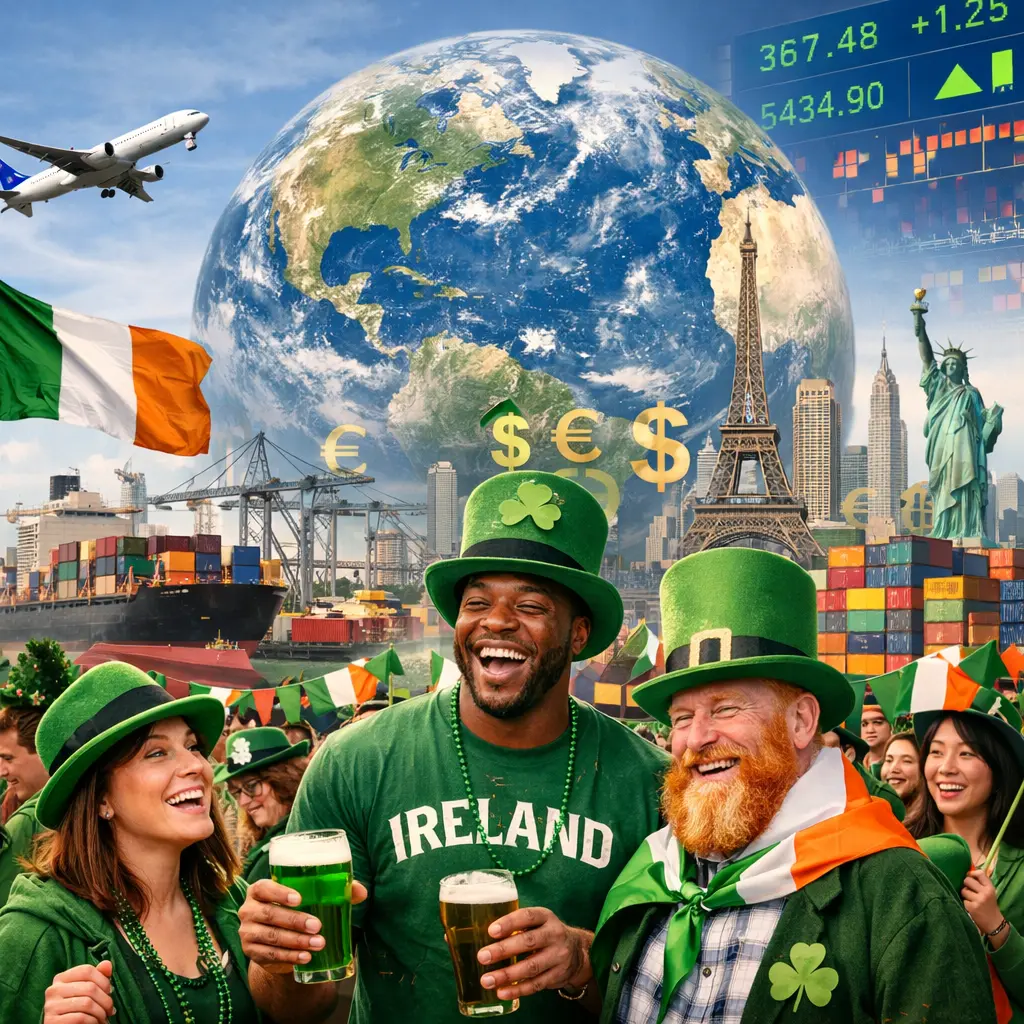
St. Patrick's Day, originally an Irish religious holiday honoring the patron saint of Ireland, has transformed into a global celebration through the forces of globalization. Today, people worldwide—regardless of heritage—participate in festivities marked by parades, green attire, and Irish-themed events. This international adoption reflects cultural exchange, commercialization, and the spread of Irish diaspora, turning St. Patrick's Day into a symbol of shared celebration and multicultural connection.
💡 Key Takeaways
- Understand how St. Patrick's Day celebrations spread globally and adapt in different cultures.
- Explore how symbols like shamrocks, leprechauns, and the color green influence global perceptions of Ireland.
- Learn about the economic and tourism impact of globalization on St. Patrick's Day events (parades, merchandising, sponsorship).
- Examine the role of Irish diaspora communities in spreading and shaping the holiday through globalization.
❓ Frequently Asked Questions
What is globalization?
Globalization is the process of increased interconnectedness of people, markets, and cultures across borders through trade, technology, travel, and communication.
What is the origin of St. Patrick's Day and why is it on March 17?
St. Patrick's Day honors Ireland's patron saint, and March 17 is observed as his feast day, marking traditional religious celebrations in Ireland and among Irish communities.
How has globalization influenced the worldwide celebration of St. Patrick's Day?
Globalization spreads the holiday through Irish diaspora communities, international media, and tourism, leading to parades, pubs, and themed events in many countries.
What symbols are commonly associated with St. Patrick's Day and what do they mean?
Common symbols include the shamrock (St. Patrick’s explanation of the Trinity), the color green (Irish identity and spring), and leprechauns from Irish folklore.