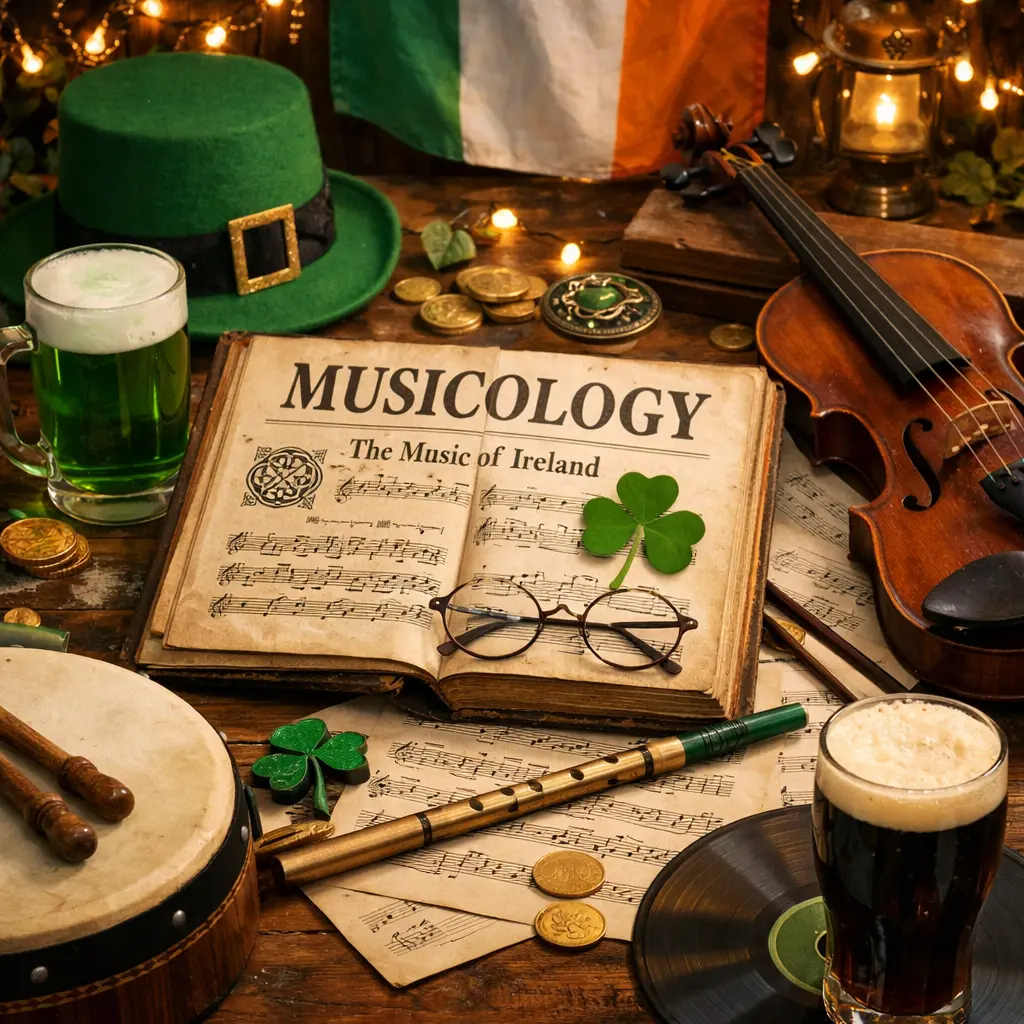
St. Patrick’s Day, originally a religious feast honoring Ireland’s patron saint, has evolved into a global celebration of Irish culture. Historical revisionism surrounding the holiday often involves reinterpreting St. Patrick’s legacy and the origins of associated traditions. Some narratives romanticize or simplify Irish history, while others challenge myths, such as St. Patrick banishing snakes or the exclusive Irishness of the festivities, highlighting the holiday’s complex, multicultural evolution.
St. Patrick's Day and Historical Revisionism
St. Patrick’s Day, originally a religious feast honoring Ireland’s patron saint, has evolved into a global celebration of Irish culture. Historical revisionism surrounding the holiday often involves reinterpreting St. Patrick’s legacy and the origins of associated traditions. Some narratives romanticize or simplify Irish history, while others challenge myths, such as St. Patrick banishing snakes or the exclusive Irishness of the festivities, highlighting the holiday’s complex, multicultural evolution.

💡 Key Takeaways
- Identify common myths about Saint Patrick and their origins
- Distinguish historical facts from legends in St. Patrick's Day narratives
- Explore how holidays reflect cultural memory, nationalism, and diaspora
- Evaluate sources and methods used in historical revisionism around Ireland's past
❓ Frequently Asked Questions
What does historical revisionism mean in the context of St. Patrick's Day?
Re-examining traditional stories about Patrick and the holiday to separate legend from verified history and understand how the celebration developed.
Who was St. Patrick, and what do we actually know about his life?
A 5th-century Christian missionary in Ireland; many details come from later legends, with only limited, debated historical evidence.
Why are there legends about Patrick and snakes, and do snakes exist in Ireland?
The 'snake' story is symbolic; Ireland has no native snakes, and the tale reflects themes of conversion rather than literal history.
How did St. Patrick's Day become a global celebration?
From a medieval Irish religious feast to a symbol of Irish identity during emigration, it evolved into worldwide parades and cultural events.