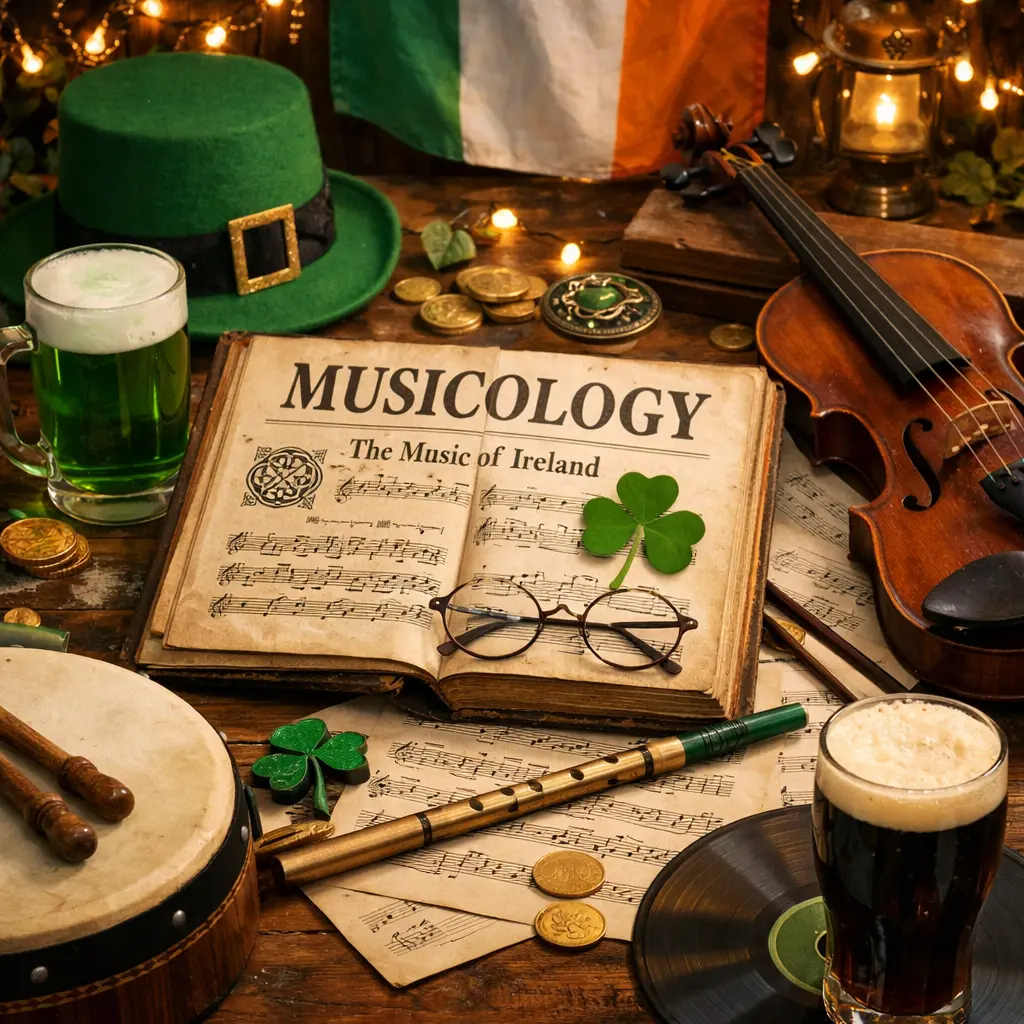
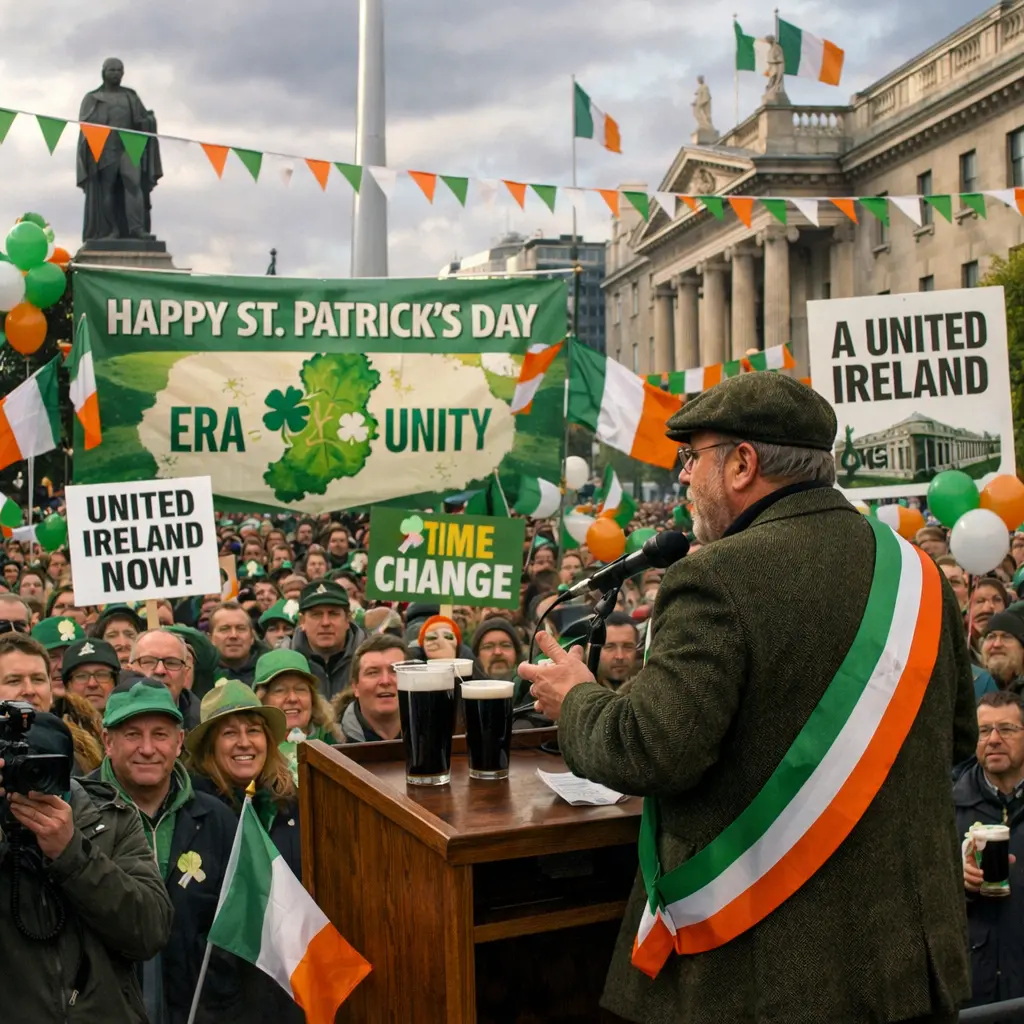
St. Patrick's Day, celebrated on March 17, is both a cultural and religious holiday honoring Ireland’s patron saint. While it is widely recognized for festive parades and green attire, the day also intersects with Irish politics. Historically, it has been an occasion to express national pride, discuss issues of Irish identity, and, at times, highlight political struggles such as independence and the peace process, especially among Irish communities worldwide.
St. Patrick's Day and Irish Politics
St. Patrick's Day, celebrated on March 17, is both a cultural and religious holiday honoring Ireland’s patron saint. While it is widely recognized for festive parades and green attire, the day also intersects with Irish politics. Historically, it has been an occasion to express national pride, discuss issues of Irish identity, and, at times, highlight political struggles such as independence and the peace process, especially among Irish communities worldwide.
💡 Key Takeaways
- Understand the historical origins of St. Patrick's Day and how it became linked to Irish national identity and politics.
- Explore how parades, symbols, and public celebrations have carried political messages in Ireland and among the Irish diaspora.
- Identify moments when the holiday intersected with Irish political developments and policy debates.
- Compare cultural celebration with political activism during St. Patrick's Day and discuss inclusivity and secularization.
- Understand regional differences in St. Patrick's Day celebrations among the Republic of Ireland, Northern Ireland, and Irish communities abroad and what those differences mean politically.
❓ Frequently Asked Questions
What is St. Patrick's Day and when is it celebrated?
St. Patrick's Day honors Saint Patrick, the patron saint of Ireland, and is observed on March 17. It began as a religious feast in the 5th century and grew into a broader celebration of Irish culture.
Why is green a central color on St. Patrick's Day?
Green is linked to Ireland's landscape and national identity; it’s also associated with Irish folklore and symbols like the shamrock, which is tied to Saint Patrick’s teaching.
How has St. Patrick's Day connected to Irish nationalism and culture?
During the Gaelic revival and the push for independence, the day became a vehicle for celebrating Irish language, culture, and identity, strengthening ties to national self-determination.
What role do parades play in Ireland and Northern Ireland around St. Patrick's Day?
Parades celebrate heritage and community. In Northern Ireland, they can reflect diverse identities and occasionally intersect with politics, but organizers aim to keep celebrations inclusive and peaceful.