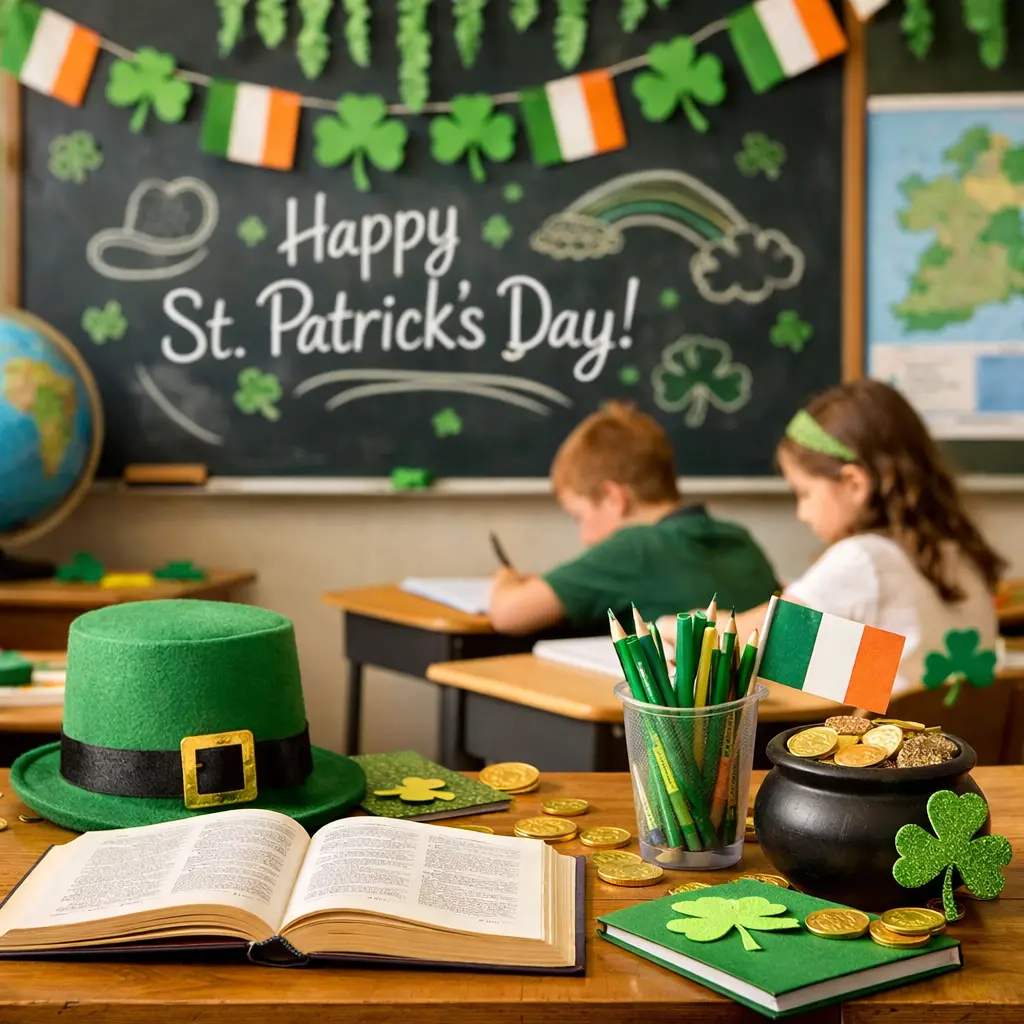
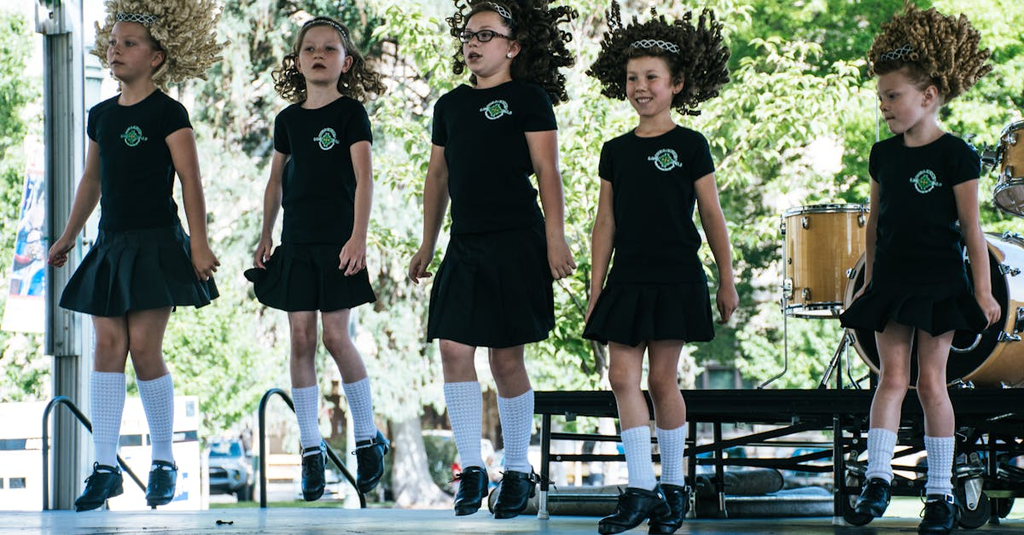
St. Patrick’s Day and literature are closely connected through the celebration of Irish culture, history, and folklore. Many literary works, poems, and stories highlight themes of Irish identity, mythology, and the legacy of St. Patrick himself. Writers often use the holiday as a backdrop for exploring topics like heritage, emigration, and national pride. Literature enriches St. Patrick’s Day by preserving traditions and sharing Ireland’s rich storytelling legacy with the world.
St. Patrick's Day and Literature
St. Patrick’s Day and literature are closely connected through the celebration of Irish culture, history, and folklore. Many literary works, poems, and stories highlight themes of Irish identity, mythology, and the legacy of St. Patrick himself. Writers often use the holiday as a backdrop for exploring topics like heritage, emigration, and national pride. Literature enriches St. Patrick’s Day by preserving traditions and sharing Ireland’s rich storytelling legacy with the world.
💡 Key Takeaways
- Understand how St. Patrick's Day appears in literature as a lens on Irish identity and culture
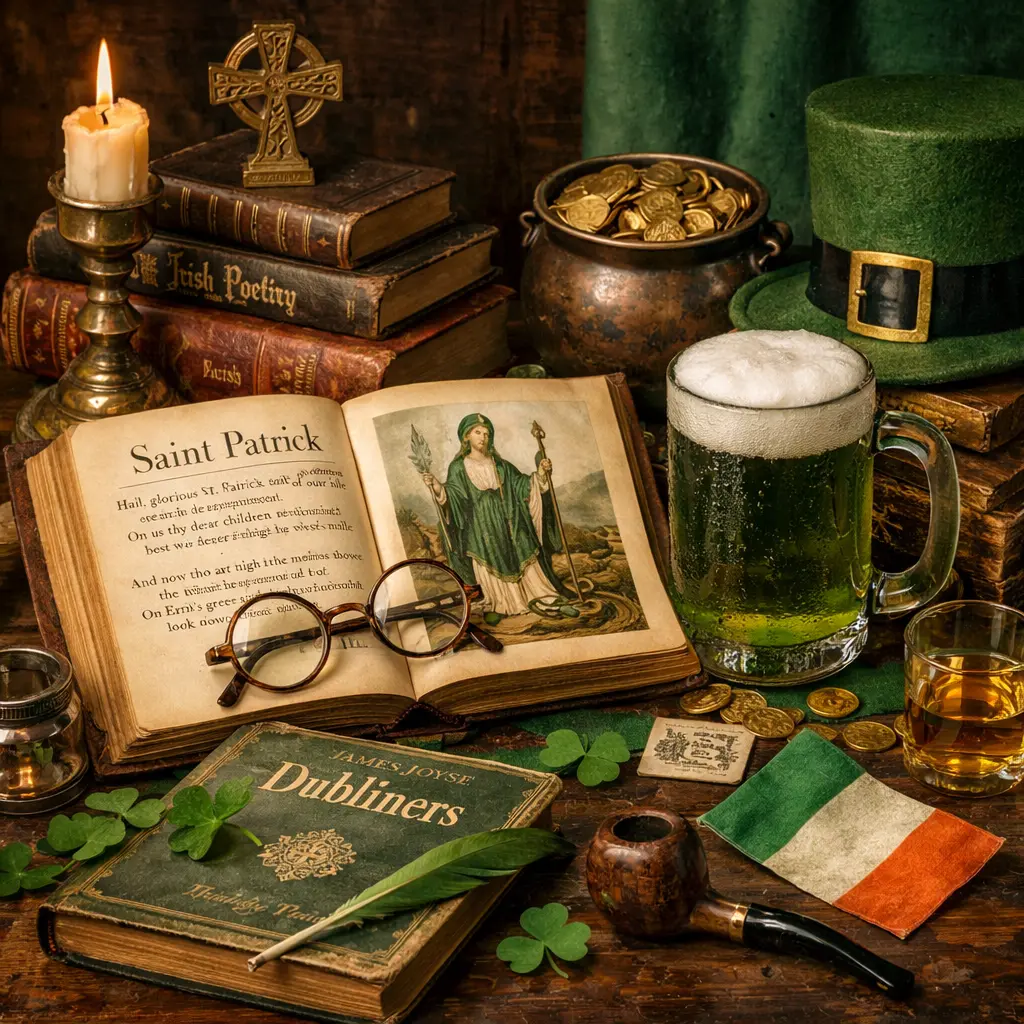
- Recognize common Irish folklore motifs (leprechauns, shamrocks, saints) and their symbolism in seasonal writing
- Analyze how Irish authors portray tradition, religion, and celebration surrounding St. Patrick's Day in fiction and poetry
- Explore the historical and mythic origins of St. Patrick's Day and their influence on literary themes
❓ Frequently Asked Questions
What is St. Patrick's Day?
St. Patrick's Day (March 17) honors Ireland's patron saint and Irish culture; in literature quizzes, expect questions about Irish folklore, symbolism, and settings.
Which Irish authors are commonly associated with St. Patrick's Day themes?
Authors like James Joyce, W.B. Yeats, Seamus Heaney, Samuel Beckett, and Oscar Wilde are often linked to Irish literature and may appear in questions about Ireland and its folklore.
What symbols are commonly linked to St. Patrick's Day and Irish literature?
Symbols include the shamrock, the color green, leprechauns, Celtic knots, crosses, and the harp.
How can you tell if a reference is folklore or a literary reference?
Folklore refers to legends, myths, and creatures (e.g., leprechauns), while literary references point to authors, works, or themes (e.g., Joyce’s depictions of Dublin or Yeats’s Irish imagery).