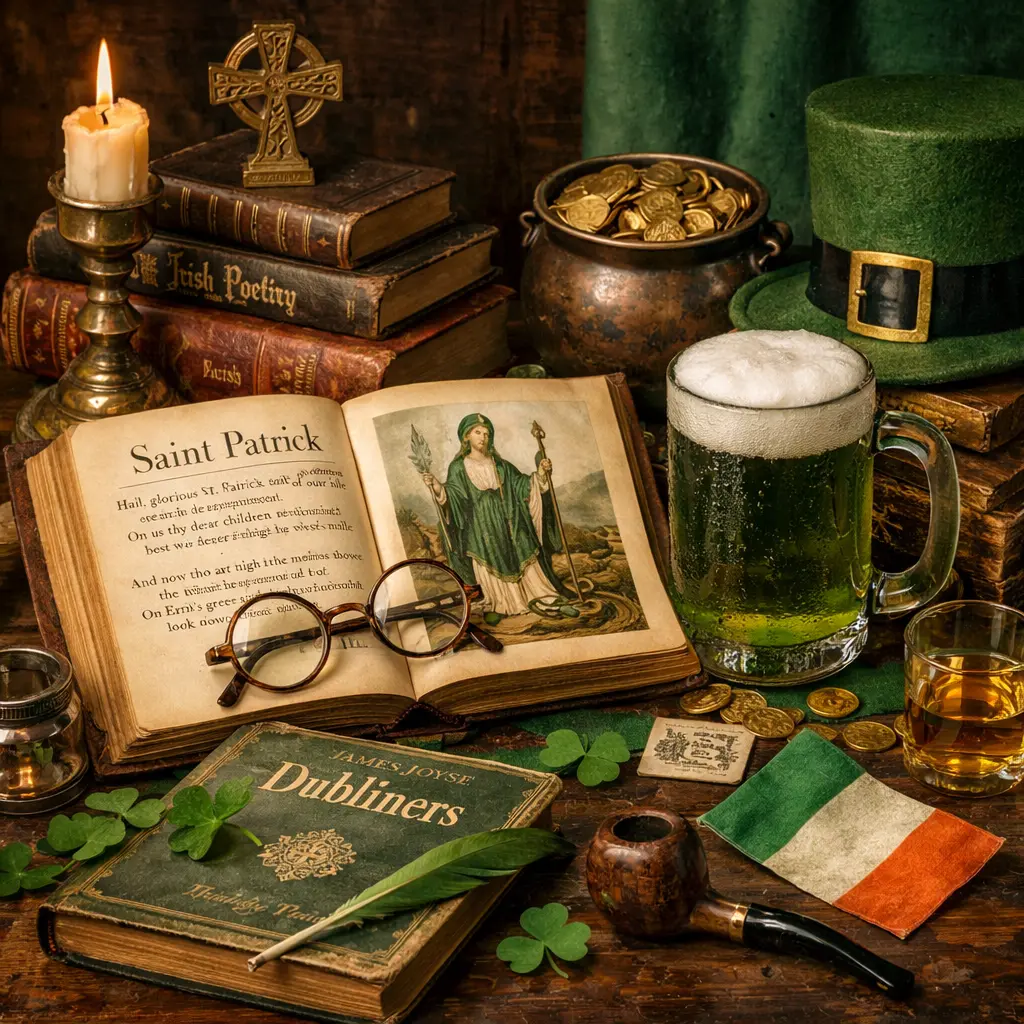
St. Patrick's Day and media representation refer to how this Irish cultural and religious holiday is portrayed in films, television, advertising, and news. Media often emphasizes symbols like shamrocks, leprechauns, and the color green, sometimes reinforcing stereotypes about Irish culture. Coverage may focus on parades, festive celebrations, and the consumption of Irish food and drink, shaping public perceptions and sometimes overshadowing the holiday’s historical and spiritual significance.
St. Patrick's Day and Media Representation
St. Patrick's Day and media representation refer to how this Irish cultural and religious holiday is portrayed in films, television, advertising, and news. Media often emphasizes symbols like shamrocks, leprechauns, and the color green, sometimes reinforcing stereotypes about Irish culture. Coverage may focus on parades, festive celebrations, and the consumption of Irish food and drink, shaping public perceptions and sometimes overshadowing the holiday’s historical and spiritual significance.

💡 Key Takeaways
- Understand how St. Patrick's Day is depicted in media and what it signals about Irish culture and festivity.
- Identify common stereotypes (e.g., leprechauns, heavy drinking) and analyze their effects on audience perceptions.
- Compare authentic Irish cultural expressions with commercialized portrayals across films, TV, and online media.
- Reflect on representation ethics: inclusivity, cultural sensitivity, and avoiding appropriation in St. Patrick's Day coverage.
❓ Frequently Asked Questions
Which stereotype is commonly seen in media about St. Patrick's Day?
Leprechauns, heavy drinking, and a caricatured 'Irish' identity often dominate, reducing real Irish culture to clichés.
How do media portrayals typically differ from actual St. Patrick's Day traditions?
Media usually emphasizes parties and green branding, while actual traditions include religious observance in Ireland, parades, Irish music and dance, and family celebrations.
Why should quiz takers scrutinize St. Patrick's Day portrayals in media?
To avoid misrepresentation, respect Irish culture, and understand the holiday's history and diversity.
What are strategies for more accurate media representation of St. Patrick's Day?
Include authentic Irish voices, show diverse experiences, highlight historical roots, and present celebrations in context beyond drinking.