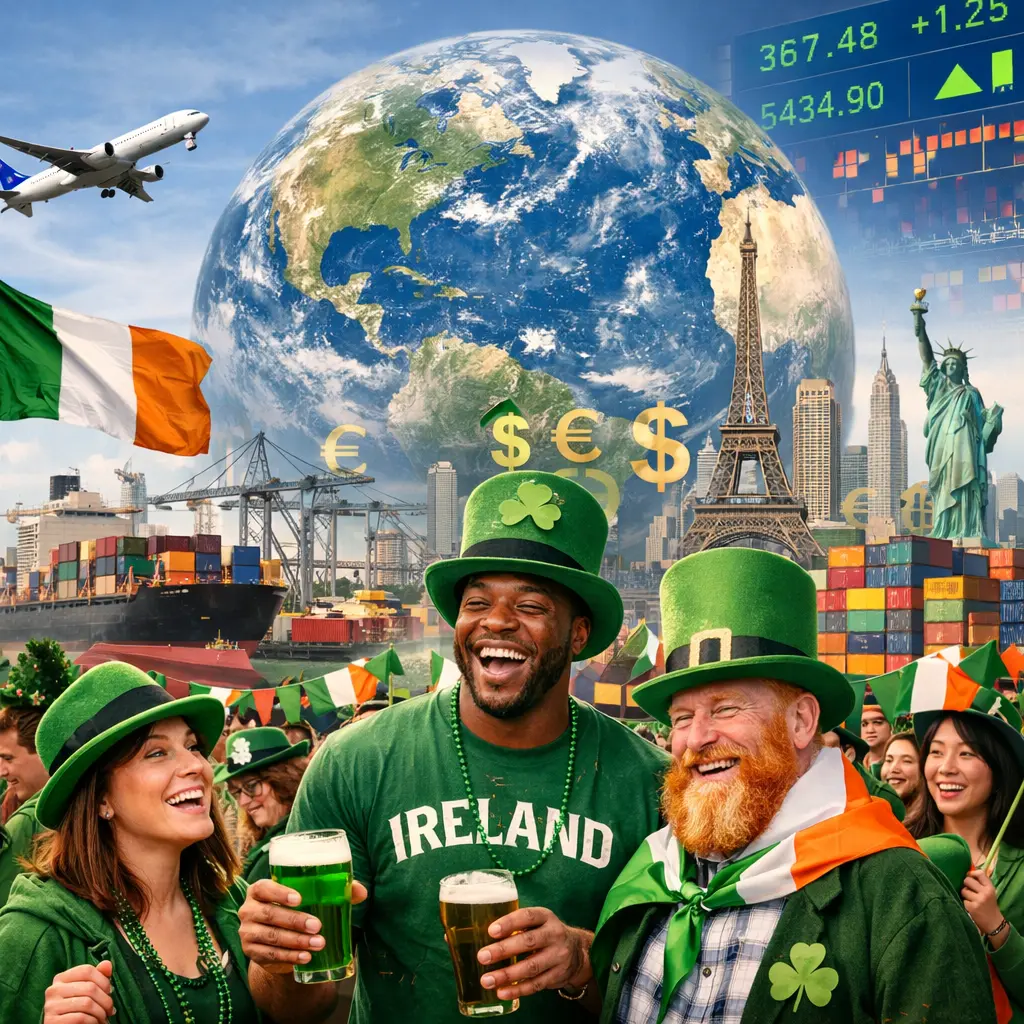
St. Patrick's Day, celebrated annually on March 17th, is deeply connected to Irish national identity. Originally a religious feast honoring Ireland’s patron saint, it has evolved into a celebration of Irish culture, heritage, and pride. Parades, wearing green, and traditional music and dance unite people of Irish descent worldwide, reinforcing a sense of community and shared history. The holiday symbolizes both Ireland’s unique traditions and its global cultural influence.
St. Patrick's Day and National Identity
St. Patrick's Day, celebrated annually on March 17th, is deeply connected to Irish national identity. Originally a religious feast honoring Ireland’s patron saint, it has evolved into a celebration of Irish culture, heritage, and pride. Parades, wearing green, and traditional music and dance unite people of Irish descent worldwide, reinforcing a sense of community and shared history. The holiday symbolizes both Ireland’s unique traditions and its global cultural influence.
💡 Key Takeaways
- Understand how St. Patrick's Day symbolizes Irish national identity at home and in the diaspora
- Identify key symbols (shamrock, green, harp) and what they represent for Ireland
- Contrast the holiday's religious origins with modern secular, global celebrations
- Explore how immigrant and multicultural communities use St. Patrick's Day to express cultural identity
❓ Frequently Asked Questions
What is the connection between St. Patrick's Day and Irish national identity?
St. Patrick's Day blends history, culture, and symbols that help people identify with Ireland—from legends about St. Patrick to language, music, and landscapes that define Irish identity.
Why are shamrocks and the color green associated with Ireland?
The shamrock is tied to Irish folklore and St. Patrick's teaching, while green evokes Ireland’s lush landscape and traditional associations with Irish pride and nationalist symbolism.
How do celebrations differ between Ireland and other countries?
In Ireland, celebrations often center on community parades, religious services, and traditional music. Abroad, St. Patrick’s Day emphasizes cultural festivals, parades, food, and activities connected to Irish heritage.
What role does the Irish diaspora play in national identity?
Global Irish communities keep language, music, and customs alive, shaping a shared sense of Irish identity across borders and influencing how Ireland is imagined worldwide.
Is St. Patrick's Day a religious or secular holiday?
It has Christian origins honoring St. Patrick, but today many celebrate as a secular, cultural festival that highlights Irish heritage, with religious services optional for those who observe it.