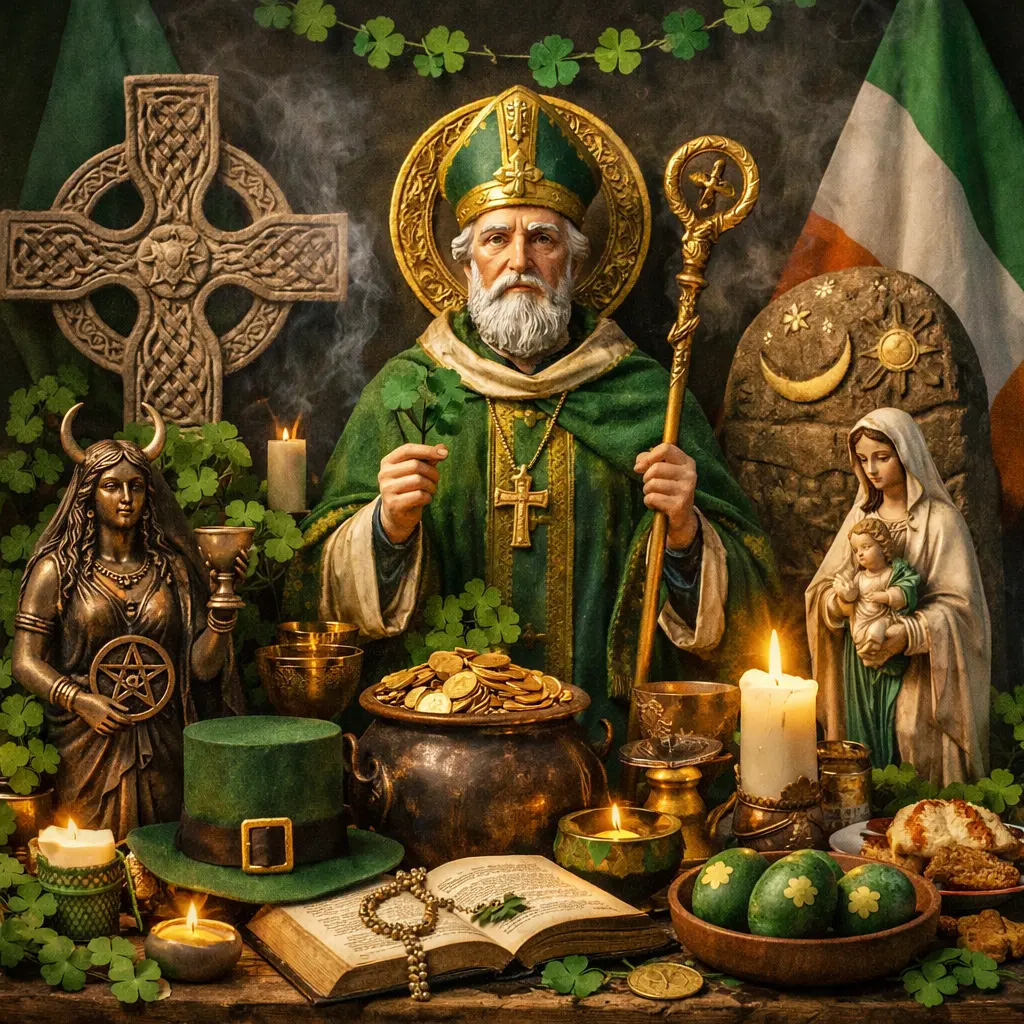
St. Patrick’s Day and Philosophy explores the deeper meanings and cultural significance behind the celebration of St. Patrick’s Day. It examines how the holiday, rooted in Irish history and the legacy of St. Patrick, intersects with themes like identity, community, tradition, and the nature of celebration. By reflecting on these philosophical questions, the phrase invites us to consider how holidays shape our values and influence our understanding of heritage and belonging.
St. Patrick's Day and Philosophy
St. Patrick’s Day and Philosophy explores the deeper meanings and cultural significance behind the celebration of St. Patrick’s Day. It examines how the holiday, rooted in Irish history and the legacy of St. Patrick, intersects with themes like identity, community, tradition, and the nature of celebration. By reflecting on these philosophical questions, the phrase invites us to consider how holidays shape our values and influence our understanding of heritage and belonging.
💡 Key Takeaways
- Explore how St. Patrick's Day blends religious traditions with secular celebration and what that reveals about culture and identity.
- Reflect on the idea of luck versus chance and how holidays attribute good fortune.
- Analyze the meaning and use of symbols like the shamrock to convey beliefs and memory.
- Consider ethical questions about inclusivity, cultural appreciation, and respectful celebration in public holidays.
- Learn to apply basic philosophical questions to everyday rituals and holidays to assess their significance.
❓ Frequently Asked Questions
How can St. Patrick's Day be explored through the philosophy of religion?
It invites reflection on faith, conversion narratives, and how religious identity shapes communities—balancing legend, myth, and historical beliefs.
What does the shamrock symbolize, and why is it philosophically interesting?
Traditionally linked to the Trinity in Christian symbolism; philosophically it's an example of how symbols encode complex ideas in a simple object.
What ethical considerations should guide celebrations with religious or cultural origins?
Respect origins, avoid stereotypes, favor inclusive practices, and distinguish meaningful tradition from mere entertainment.
How should we evaluate tradition in the context of St. Patrick's Day?
Tradition can strengthen community but may exclude; assess relevance, inclusivity, and whether it upholds values for all celebrants.