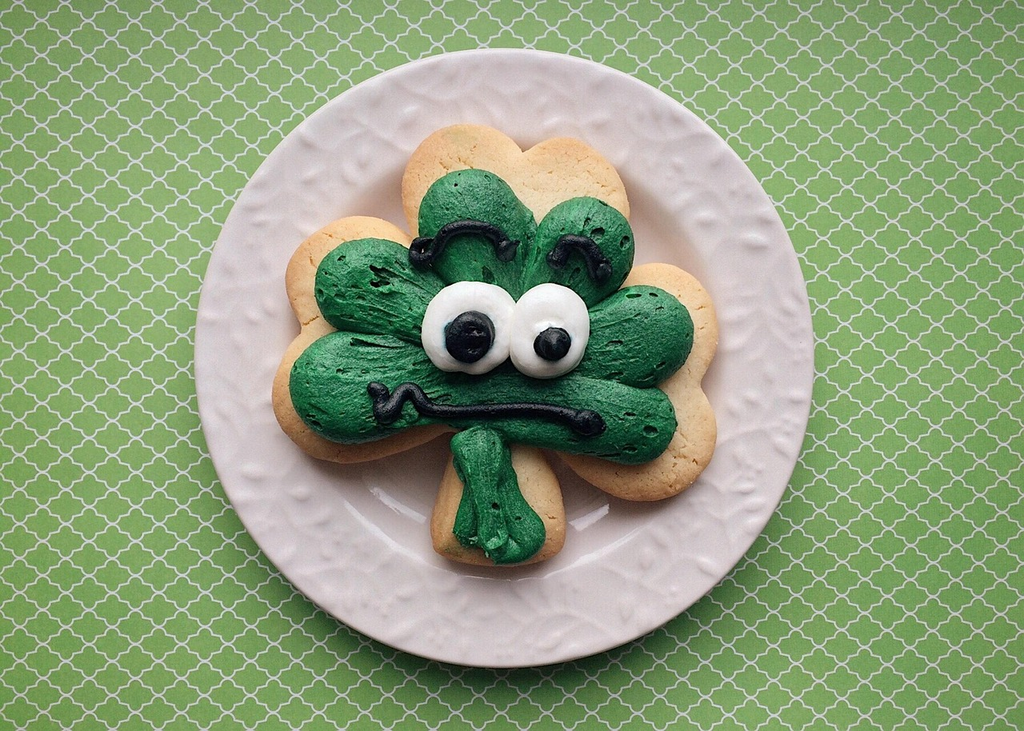
St. Patrick’s Day, celebrated on March 17th, offers an interesting lens for psychology by highlighting group identity, social conformity, and collective joy. The widespread participation in traditions—wearing green, parades, and festive gatherings—fosters a sense of belonging and shared cultural heritage. Psychologically, these rituals can boost mood, strengthen community bonds, and provide an opportunity for self-expression, while also reflecting how cultural narratives and symbols influence individual and group behavior.
St. Patrick's Day and Psychology
St. Patrick’s Day, celebrated on March 17th, offers an interesting lens for psychology by highlighting group identity, social conformity, and collective joy. The widespread participation in traditions—wearing green, parades, and festive gatherings—fosters a sense of belonging and shared cultural heritage. Psychologically, these rituals can boost mood, strengthen community bonds, and provide an opportunity for self-expression, while also reflecting how cultural narratives and symbols influence individual and group behavior.
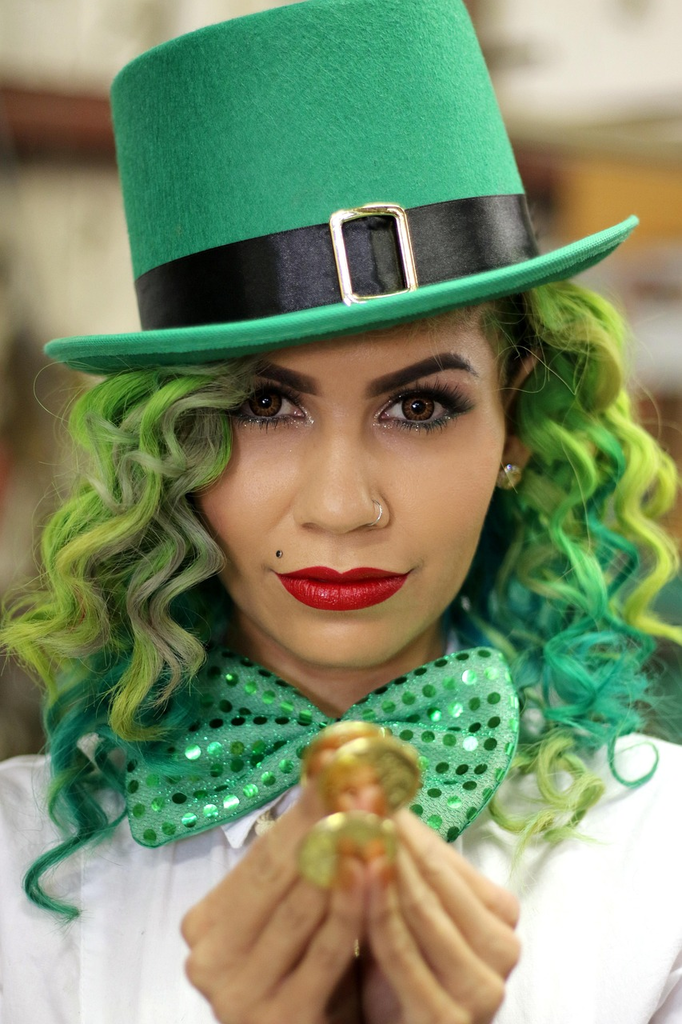
💡 Key Takeaways
- Understand how festive rituals like St. Patrick's Day foster social bonding and in-group identity.
- Explore how beliefs in luck and superstition shape behavior during celebrations.
- See how symbols (green, shamrocks) evoke mood, memory, and cultural meaning.
- Learn how celebration norms influence safety, alcohol use, and overall well-being.
❓ Frequently Asked Questions
What psychological concept explains why people participate in St. Patrick's Day celebrations?
Social identity theory and conformity—people adopt group norms to belong and feel accepted by the crowd.
Why is the color green strongly linked to St. Patrick's Day from a psychological standpoint?
Green serves as a social signal of Irish identity and group belonging, with positive cultural associations that can boost mood.
What is the function of rituals (parades, songs, costumes) in celebrations like this?
Rituals create meaning, strengthen social bonds, and provide predictable, shared experiences that enhance group cohesion.
How can alcohol affect behavior during holiday celebrations and how can participants stay safe?
Alcohol can lower inhibitions and increase risk-taking; to stay safe, practice moderation, stay with friends, and know your limits.