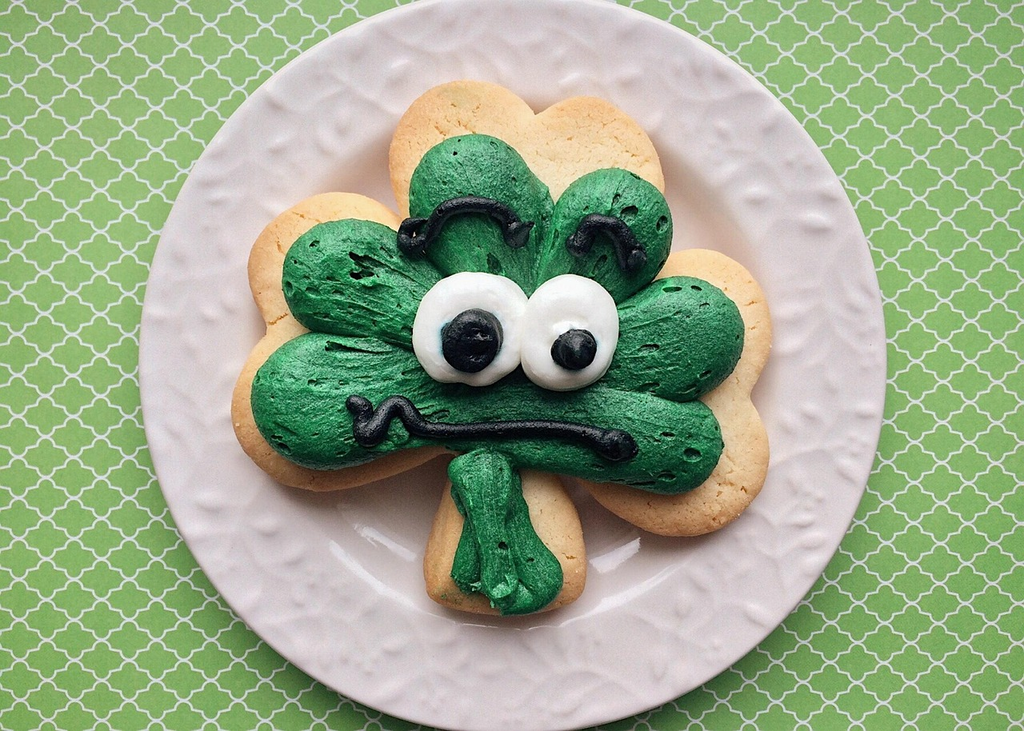
St. Patrick's Day, celebrated on March 17th, provides a fascinating lens for sociological analysis. It highlights themes of cultural identity, migration, and assimilation, especially among Irish diasporas. The holiday's evolution from a religious observance to a global celebration illustrates how traditions adapt within new social contexts. Sociologists examine how symbols, parades, and communal festivities foster social cohesion, reinforce group identity, and reflect broader patterns of cultural exchange and commercialization in society.
St. Patrick's Day and Sociology
St. Patrick's Day, celebrated on March 17th, provides a fascinating lens for sociological analysis. It highlights themes of cultural identity, migration, and assimilation, especially among Irish diasporas. The holiday's evolution from a religious observance to a global celebration illustrates how traditions adapt within new social contexts. Sociologists examine how symbols, parades, and communal festivities foster social cohesion, reinforce group identity, and reflect broader patterns of cultural exchange and commercialization in society.

💡 Key Takeaways
- Understand why St. Patrick's Day is celebrated as a social ritual and how it influences cultural identity.
- Learn how parades, gatherings, and nightlife shape social belonging and inclusivity in communities.
- Explore symbols like green, shamrocks, and leprechauns and trace their origins in folklore and Irish nationalism.
- Consider how globalization and commercialization affect local traditions and perceptions of Irish culture.
❓ Frequently Asked Questions
What is the sociological significance of St. Patrick's Day?
A cultural ritual that fosters Irish identity and community, using symbols and shared practices to create collective meaning and social bonding.
How does globalization shape St. Patrick's Day celebrations?
Celebrations spread worldwide, adapt to local cultures, and reflect tourism, commercialization, and media influence on Irish identity.
Why do symbols like green, shamrocks, and parades matter?
Symbols mark belonging and heritage, convey identity, and shape perceptions; they can also reinforce stereotypes or mythic narratives.
What are common sociological critiques of the celebrations?
Critiques include overemphasis on alcohol, cultural appropriation or misrepresentation, and the commodification of culture.