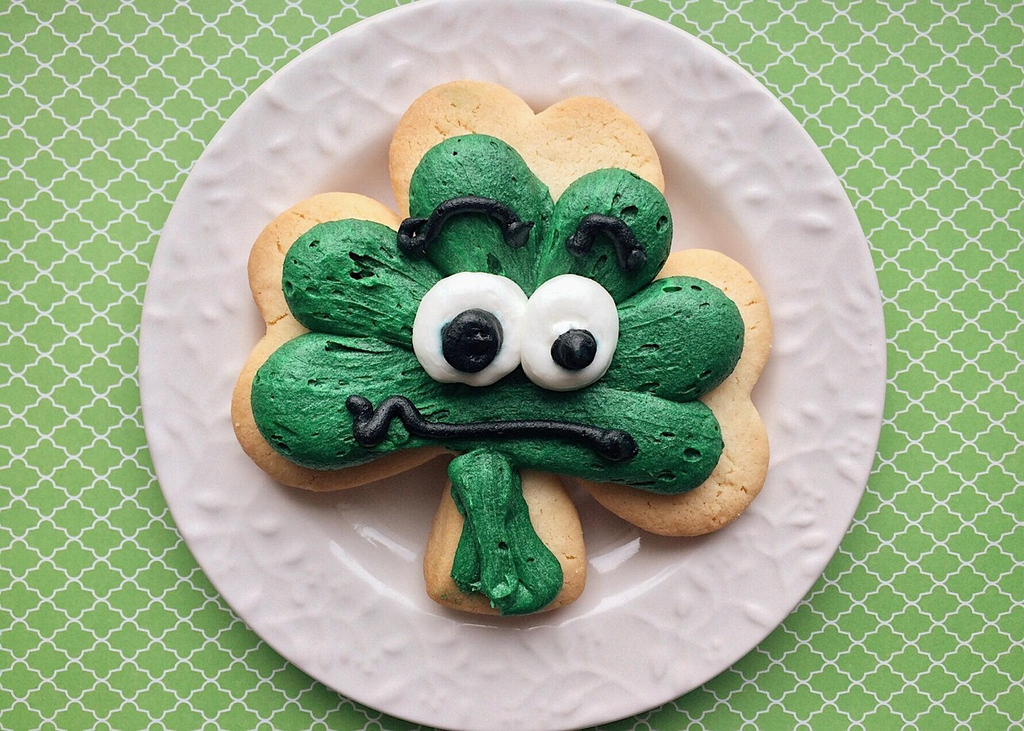
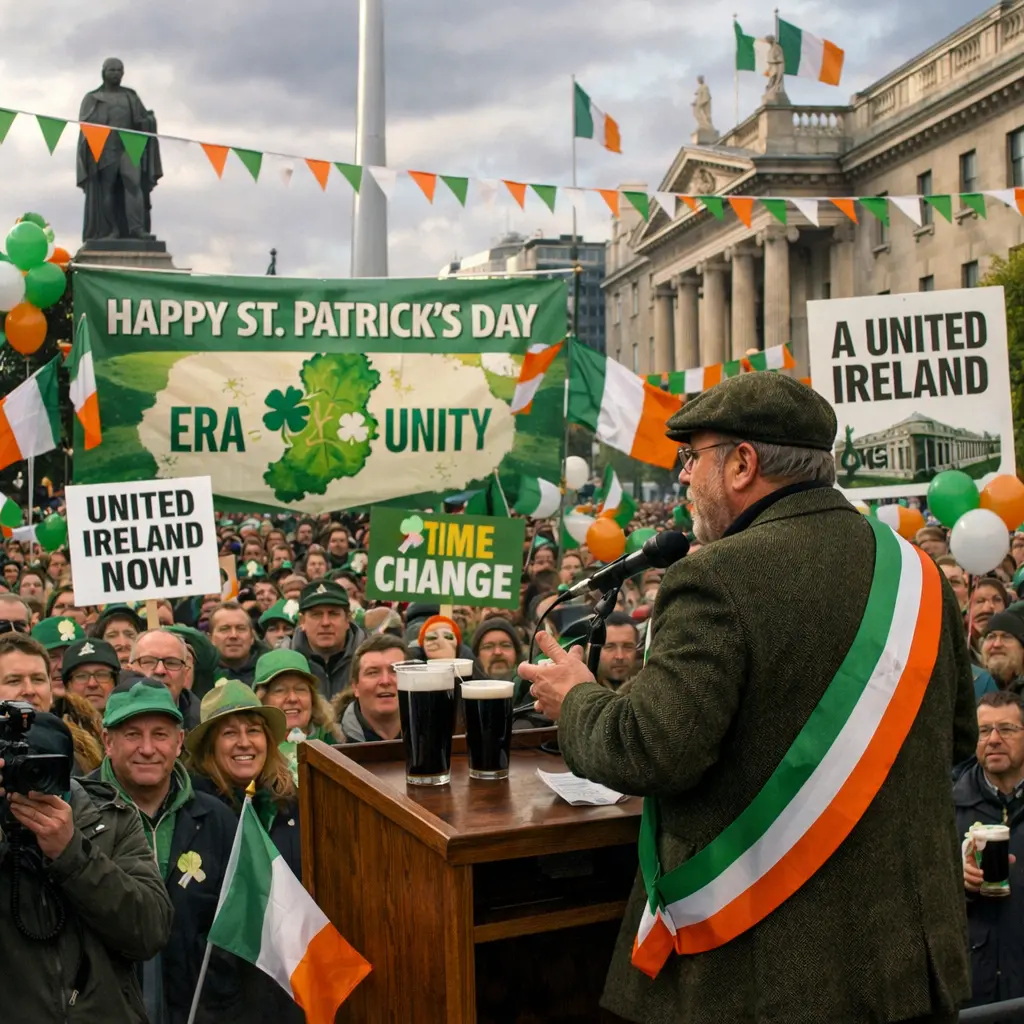
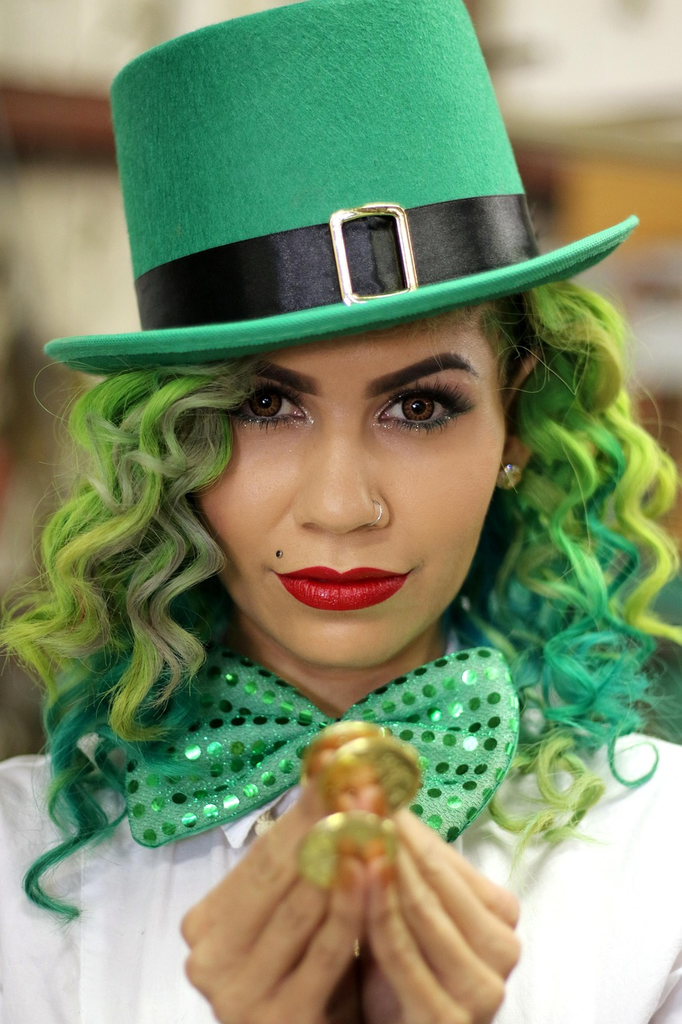
St. Patrick’s Day celebrations honor Ireland’s patron saint with vibrant festivities on March 17th. People wear green, attend parades, and display shamrocks, symbolizing Irish heritage and good luck. Traditional Irish music, dancing, and food are enjoyed, while landmarks worldwide are illuminated in green. The holiday, rooted in both religious and cultural traditions, brings communities together to celebrate Irish culture, whether through public events or gatherings with family and friends.
St. Patrick's Day Celebrations+50
St. Patrick’s Day celebrations honor Ireland’s patron saint with vibrant festivities on March 17th. People wear green, attend parades, and display shamrocks, symbolizing Irish heritage and good luck. Traditional Irish music, dancing, and food are enjoyed, while landmarks worldwide are illuminated in green. The holiday, rooted in both religious and cultural traditions, brings communities together to celebrate Irish culture, whether through public events or gatherings with family and friends.
💡 Key Takeaways
- Learn the origins of St. Patrick's Day and why it's celebrated on March 17
- Identify key symbols (shamrock, leprechaun, and the color green) and their meanings
- Compare how St. Patrick's Day is celebrated in Ireland vs. other countries
- Discover traditional foods, drinks, and fun activities commonly associated with the holiday
❓ Frequently Asked Questions
What is St. Patrick's Day and when is it celebrated?
A cultural and religious holiday honoring Ireland's patron saint, observed on March 17 each year with religious services, parades, and festive events.
Why is the color green associated with St. Patrick's Day?
Green represents Ireland's landscape (the Emerald Isle) and folklore (leprechauns); people wear green to show Irish pride.
What is the shamrock and why is it important?
The shamrock is a three-leaf clover used by St. Patrick to explain the Holy Trinity; it has since become a symbol of Ireland and good luck.
How is St. Patrick's Day typically celebrated around the world?
Common celebrations include parades, wearing green, Irish music and food, and public events; traditions vary by country.