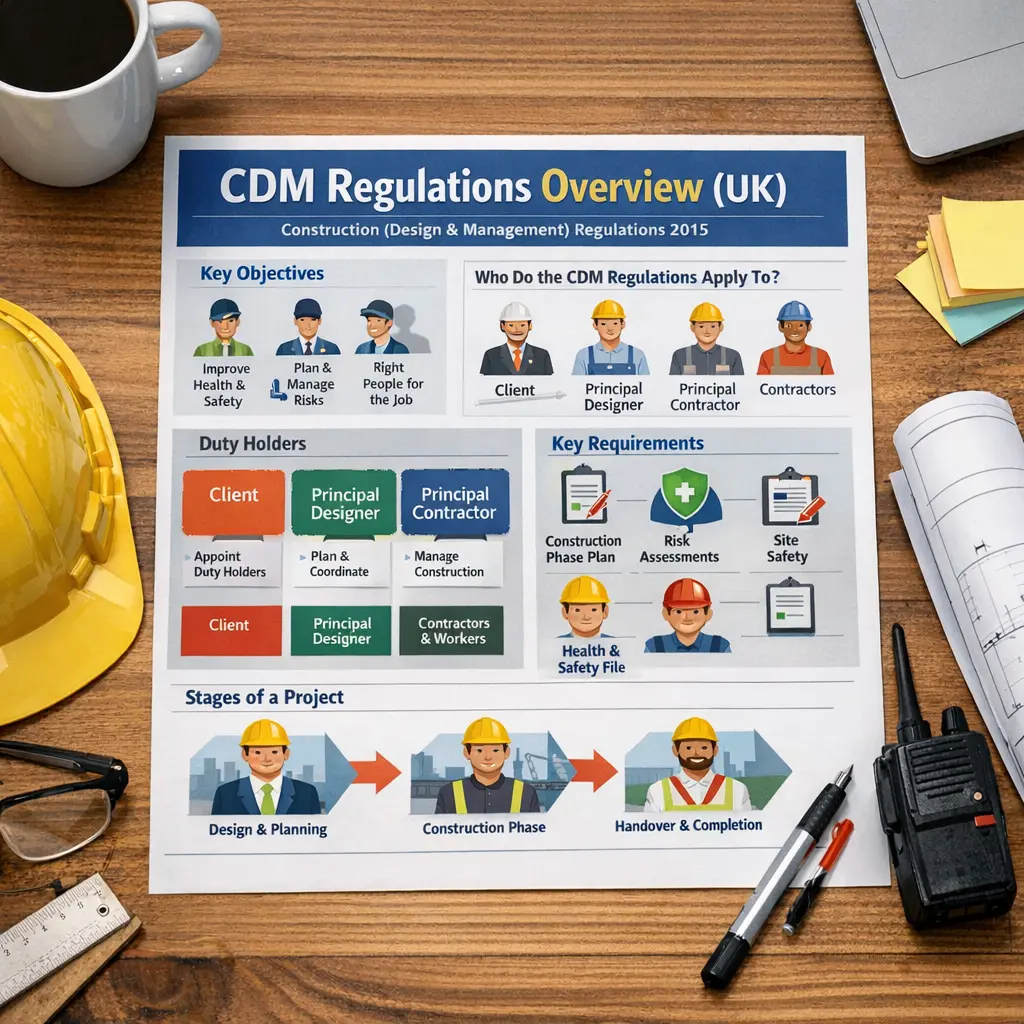
Stakeholder Communication Essentials in the construction environment refers to the fundamental practices and strategies used to ensure clear, timely, and effective information exchange among all parties involved in a construction project. This includes clients, contractors, suppliers, regulatory bodies, and the community. Effective communication helps manage expectations, resolve conflicts, ensure safety, and keep the project on schedule and within budget, ultimately contributing to the project’s overall success.
Stakeholder Communication Essentials
Stakeholder Communication Essentials in the construction environment refers to the fundamental practices and strategies used to ensure clear, timely, and effective information exchange among all parties involved in a construction project. This includes clients, contractors, suppliers, regulatory bodies, and the community. Effective communication helps manage expectations, resolve conflicts, ensure safety, and keep the project on schedule and within budget, ultimately contributing to the project’s overall success.

💡 Key Takeaways
- Identify key stakeholders and their information needs.
- Tailor messages for diverse audiences to improve clarity and engagement.
- Choose appropriate channels and timing to maximize impact.
- Implement feedback mechanisms to monitor understanding and strengthen relationships.
❓ Frequently Asked Questions
What is stakeholder communication and why is it essential?
Stakeholder communication is the ongoing sharing of updates, risks, decisions, and outcomes with people affected by a project. It builds trust, aligns expectations, and supports informed decision making.
Who are stakeholders and why should messages be tailored?
Stakeholders include sponsors, team members, customers, regulators, suppliers, and communities. Tailoring messages to each group’s interests increases relevance, engagement, and collaboration.
What should a stakeholder communication plan include?
A plan should define objectives, audiences, key messages, delivery channels, cadence, roles, escalation paths, and feedback mechanisms to ensure consistent, transparent communication.
What channels and best practices work well for stakeholder updates?
Effective channels include emails, meetings, dashboards, reports, town halls, and collaboration tools. Best practices are clear language, concise updates, visual aids, two-way feedback, and regular cadence.
How can you measure and improve stakeholder communication?
Track engagement and outcome metrics (open rates, attendance, feedback quality, decision speed), assess alignment of expectations, gather surveys, and apply lessons learned to future communications.