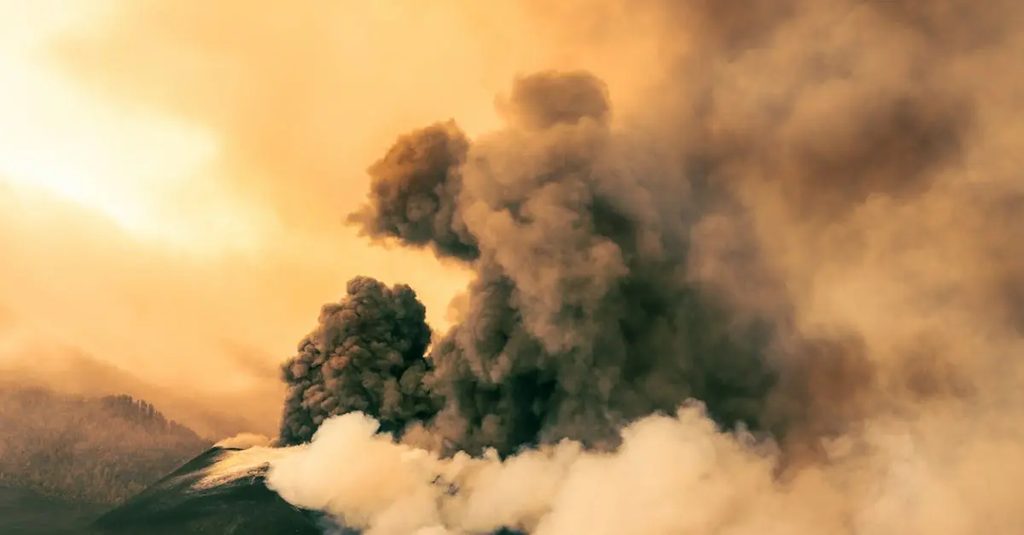
Storm surges are powerful, abnormal rises in sea level caused by intense storms, especially hurricanes or cyclones. Driven by strong winds and low atmospheric pressure, these surges push seawater onto coastal land, often resulting in severe flooding and destruction. Nature’s scary side is evident in the immense force and unpredictability of storm surges, which can devastate communities, erode shorelines, and endanger lives, making them one of the most dangerous aspects of severe weather events.
Storm Surges
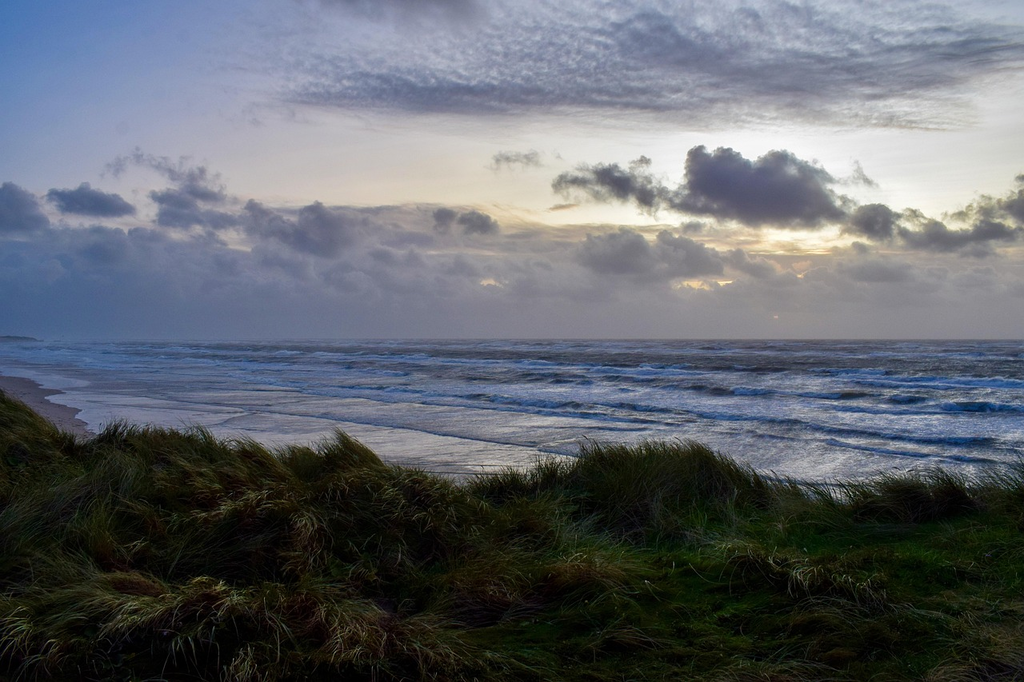
Storm surges are powerful, abnormal rises in sea level caused by intense storms, especially hurricanes or cyclones. Driven by strong winds and low atmospheric pressure, these surges push seawater onto coastal land, often resulting in severe flooding and destruction. Nature’s scary side is evident in the immense force and unpredictability of storm surges, which can devastate communities, erode shorelines, and endanger lives, making them one of the most dangerous aspects of severe weather events.
💡 Key Takeaways
- Understand what a storm surge is and how it differs from regular tides and waves.
- Identify the primary drivers of storm surges, including strong winds, low atmospheric pressure, and surge dynamics.
- Recognize the factors that influence surge height and reach, such as storm intensity, landfall location, speed, and coastal bathymetry.
- Learn how communities forecast, prepare for, and mitigate storm surge impacts through early warnings, evacuation planning, and coastal defenses.
❓ Frequently Asked Questions
What is a storm surge?
A temporary, abnormal rise in sea level caused by a tropical cyclone's strong winds pushing water toward shore and by low central pressure; it can flood coastal areas and push water inland.
What factors influence how high a storm surge can be?
Wind speed and direction, the storm's central pressure and size, forward speed, coastline shape, near-shore water depth (bathymetry), and the timing with tides.
How is a storm surge different from regular tides?
Tides are predictable and caused by gravitational forces. A storm surge is driven by a storm's winds and pressure and can be much higher and change rapidly.
What are common impacts of a storm surge?
Coastal flooding, damage to roads and buildings, erosion, saltwater intrusion, and hazards from floodwaters and debris.
How can people prepare for or stay safe during a storm surge?
Follow official warnings, know evacuation zones and routes, move to higher ground before the surge arrives, secure belongings, and avoid flooded areas and downed power lines.