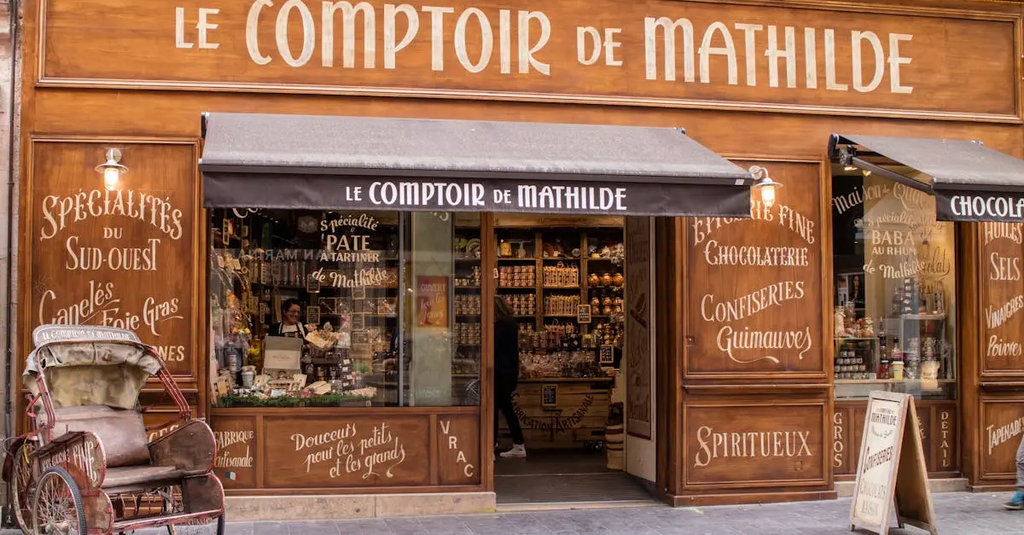
Street food business and pop-ups refer to mobile or temporary food ventures that operate from carts, trucks, stalls, or short-term locations. These businesses offer quick, affordable, and diverse food options, often reflecting local or international cuisines. Pop-ups allow entrepreneurs to test new concepts or reach different audiences without the commitment of a permanent location, while street food vendors bring vibrant culinary experiences directly to neighborhoods, events, and busy urban areas.
Street Food Business and Pop-Ups
Street food business and pop-ups refer to mobile or temporary food ventures that operate from carts, trucks, stalls, or short-term locations. These businesses offer quick, affordable, and diverse food options, often reflecting local or international cuisines. Pop-ups allow entrepreneurs to test new concepts or reach different audiences without the commitment of a permanent location, while street food vendors bring vibrant culinary experiences directly to neighborhoods, events, and busy urban areas.
💡 Key Takeaways
- Understand the different street food models (mobile carts/trucks, kiosks, and pop-ups) and when each fits a concept.
- Design a lean, quick-service menu that travels well, is affordable, and showcases local or international flavors.
- Learn the essential steps for launching a mobile food venture, including permits, safety standards, equipment, and location strategy.
- Explore how pop-ups can test new concepts, build brand presence, and gather customer feedback with minimal upfront risk.
❓ Frequently Asked Questions
What is street food business and pop-ups?
They are mobile or temporary food ventures that operate from carts, trucks, stalls, or short-term locations, offering quick, affordable, and diverse options, often reflecting local or international cuisines. Pop-ups let entrepreneurs test new ideas with lower risk.
What setups are common for these ventures?
Common setups include carts, food trucks, trailers, portable stalls, and temporary booths at markets or events; some use shared kitchens or incubator spaces.
What permits or licenses are typically required?
Typically a local health permit, a business license, food handler certification, and a mobile vendor permit; requirements vary by city and venue.
Why are street food pop-ups appealing to entrepreneurs?
They have lower startup costs, offer location and menu flexibility, allow testing of concepts, and provide unique, approachable dining experiences.
What challenges should you plan for?
Weather, permits and regulations, insurance, food safety, inventory and waste management, equipment reliability, and fluctuating foot traffic.