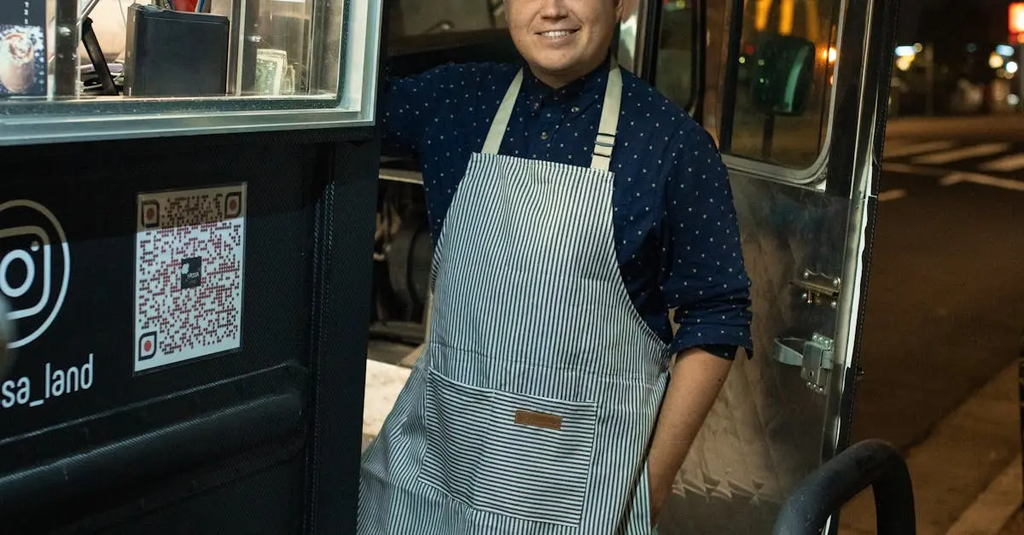
Street food: classics around the world refers to the diverse and flavorful dishes sold by vendors in public places across different countries. These foods often reflect local culture and traditions, offering quick, affordable, and authentic tastes such as tacos in Mexico, samosas in India, crepes in France, or satay in Indonesia. Street food brings communities together, providing a unique culinary experience and a glimpse into the everyday life of a region.
Street Food: Classics Around the World+50
Street food: classics around the world refers to the diverse and flavorful dishes sold by vendors in public places across different countries. These foods often reflect local culture and traditions, offering quick, affordable, and authentic tastes such as tacos in Mexico, samosas in India, crepes in France, or satay in Indonesia. Street food brings communities together, providing a unique culinary experience and a glimpse into the everyday life of a region.

💡 Key Takeaways
- Identify iconic street foods from different regions and what makes them classics.
- Explain how local ingredients and cultural traditions shape street-food flavors and techniques.
- Describe typical street-food formats (quick-service stalls, portable dishes) and their affordability.
- Compare regional flavor profiles and spice levels to understand global street-food diversity.
❓ Frequently Asked Questions
What is street food?
Street food refers to ready-to-eat dishes sold by vendors in public spaces, prepared on-site, usually quick, affordable, and representative of local culture and flavors.
Can you name classic street foods from different regions?
Examples include tacos in Mexico (corn tortillas with fillings), samosas in India (savory pastries), and crepes in France (thin pancakes with sweet or savory fillings).
How do street foods reflect local culture?
They use locally sourced ingredients and traditional techniques, reflecting regional cuisine, celebrations, and daily life.
What should you consider for street food safety and quality?
Choose stalls with visible hygiene, ensure food is cooked hot and fresh, avoid raw items when unsure, and trust your senses.