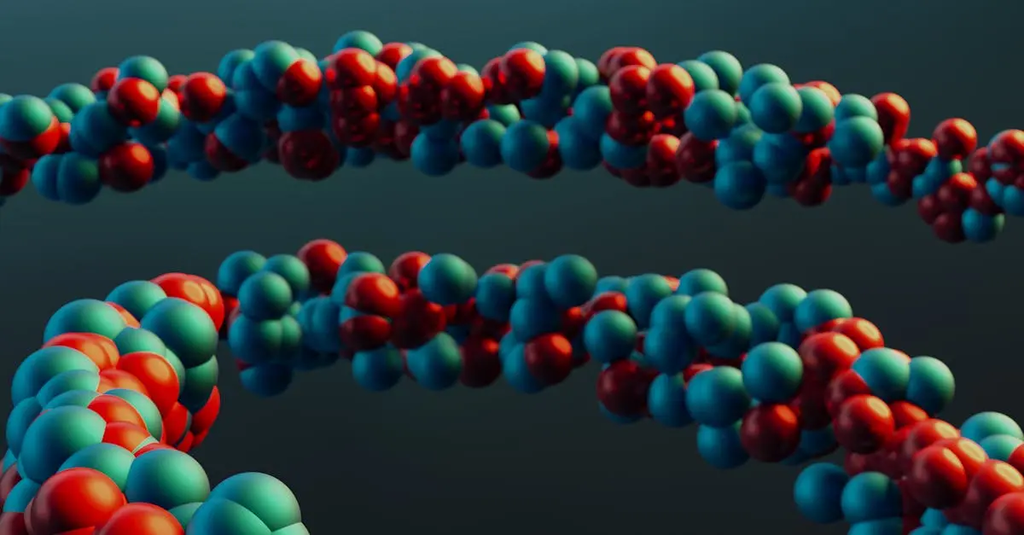
Structural biology is the study of the molecular structure and dynamics of biological macromolecules. Techniques like X-ray crystallography, cryo-electron microscopy (Cryo-EM), and nuclear magnetic resonance (NMR) spectroscopy are essential tools in this field. X-ray crystallography reveals atomic details by analyzing X-ray diffraction patterns from crystals. Cryo-EM visualizes large complexes in near-native states using electron beams at cryogenic temperatures. NMR provides information on structure and dynamics in solution, complementing the other methods.
Structural Biology: X-ray, Cryo-EM & NMR
Structural biology is the study of the molecular structure and dynamics of biological macromolecules. Techniques like X-ray crystallography, cryo-electron microscopy (Cryo-EM), and nuclear magnetic resonance (NMR) spectroscopy are essential tools in this field. X-ray crystallography reveals atomic details by analyzing X-ray diffraction patterns from crystals. Cryo-EM visualizes large complexes in near-native states using electron beams at cryogenic temperatures. NMR provides information on structure and dynamics in solution, complementing the other methods.
💡 Key Takeaways
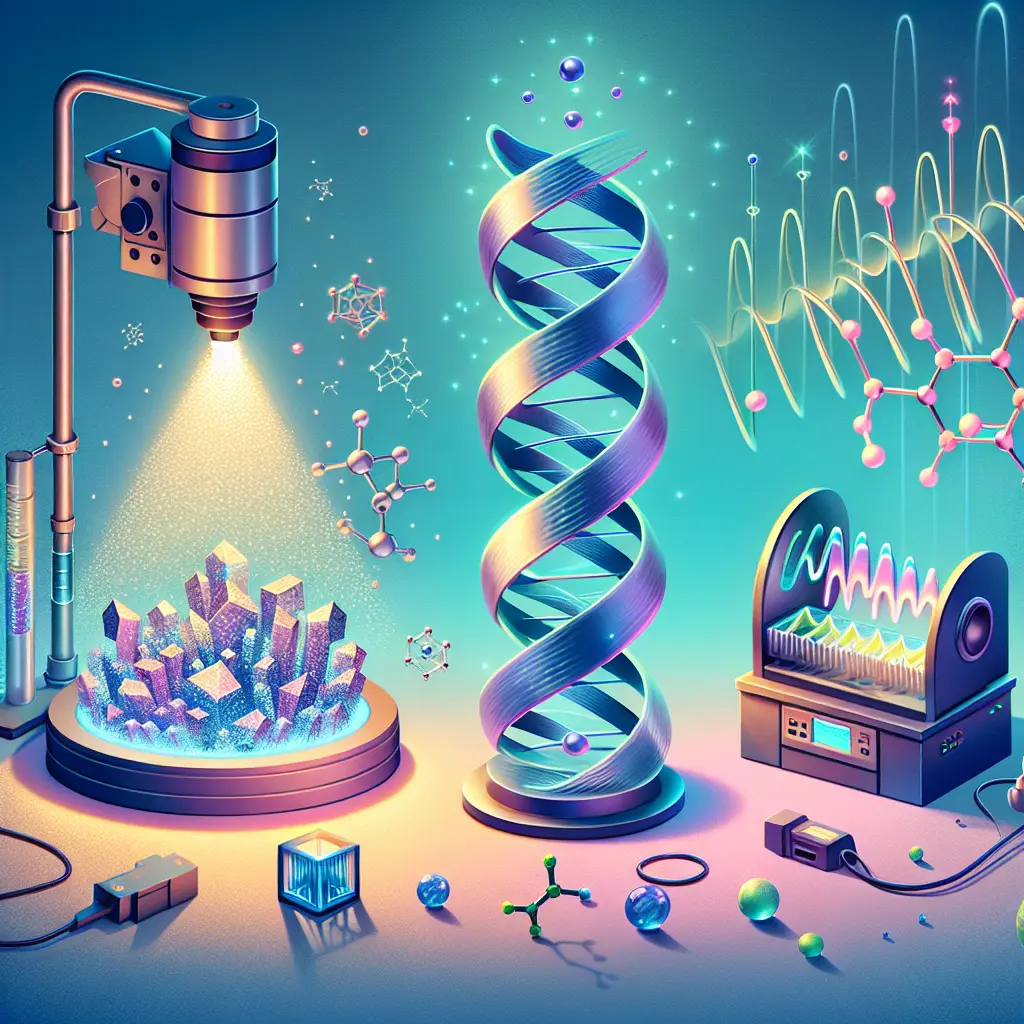
- Compare the three techniques in terms of the type of structural information they provide and the typical sample sizes they suit.
- X-ray crystallography workflow: crystallization, diffraction, and building atomic-resolution 3D models from electron density.
- Cryo-EM strengths: imaging near-native states of large macromolecular assemblies and reconstructing 3D density maps without crystallization.
- NMR strengths: probing dynamics and structures in solution, providing information on conformational variability and distance restraints.
❓ Frequently Asked Questions
What is structural biology?
The study of the 3D shapes and movements of biological macromolecules to understand how they work.
What is X-ray crystallography and what does it reveal?
It uses diffraction from crystals to build electron-density maps and atomic models, yielding high-resolution structures as static snapshots.
What is Cryo-EM and when is it used?
Cryo-electron microscopy freezes samples and images them with electrons to reconstruct 3D structures, especially for large complexes that are hard to crystallize; it can achieve near-atomic resolution.
What is NMR spectroscopy in structural biology?
NMR detects magnetic properties of nuclei in molecules in solution, providing structural information and insights into dynamics, particularly for smaller proteins.
How do these methods complement each other?
X-ray offers high-resolution structures; Cryo-EM handles large or flexible assemblies without crystals; NMR reveals dynamics and solution-state behavior—together they give a fuller picture of structure and motion.