Studio lighting setups refer to the arrangement and positioning of artificial lights in a photography or video studio to achieve desired visual effects. These setups can include key lights, fill lights, backlights, and modifiers like softboxes or reflectors. Proper lighting enhances the subject’s features, creates mood, controls shadows, and ensures professional-quality images. Common setups include three-point lighting, butterfly lighting, and Rembrandt lighting, each producing distinct looks for portraits or product photography.
Studio Lighting Setups
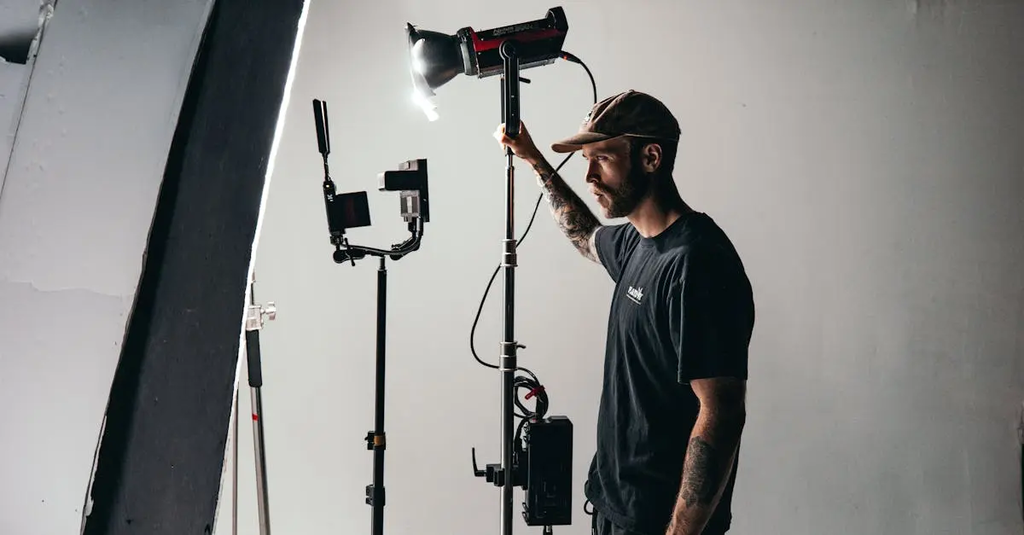
Studio lighting setups refer to the arrangement and positioning of artificial lights in a photography or video studio to achieve desired visual effects. These setups can include key lights, fill lights, backlights, and modifiers like softboxes or reflectors. Proper lighting enhances the subject’s features, creates mood, controls shadows, and ensures professional-quality images. Common setups include three-point lighting, butterfly lighting, and Rembrandt lighting, each producing distinct looks for portraits or product photography.
💡 Key Takeaways
- Identify the roles of key light, fill light, and backlight in a studio setup and how they shape the subject's appearance.
- Select and position modifiers (softboxes, umbrellas, reflectors) to control softness, direction, and spill.
- Understand lighting ratios and color balance to achieve the desired mood and texture.
- Apply basic studio setups for common subjects (portraits, crafts close-ups, products) and troubleshoot common issues.
❓ Frequently Asked Questions
What is a key light?
The main light that defines the subject's shape and exposure; typically placed at about a 45-degree angle to create modeling.
What is a fill light?
A secondary light opposite the key that softens shadows; usually less intense to balance contrast without flattening the image.
What is three-point lighting?
A setup using key, fill, and backlight to sculpt the subject and separate them from the background.
What is a backlight (rim light)?
Light placed behind the subject to create a highlight on edges and help separate them from the background.
What is a softbox and how does it affect lighting?
A diffuser modifier that enlarges and softens the light, producing gentle shadows and more even illumination.