Subcultures: Punk Style
💡 Key Takeaways
- Trace punk fashion from its 1970s origins to its modern iterations.
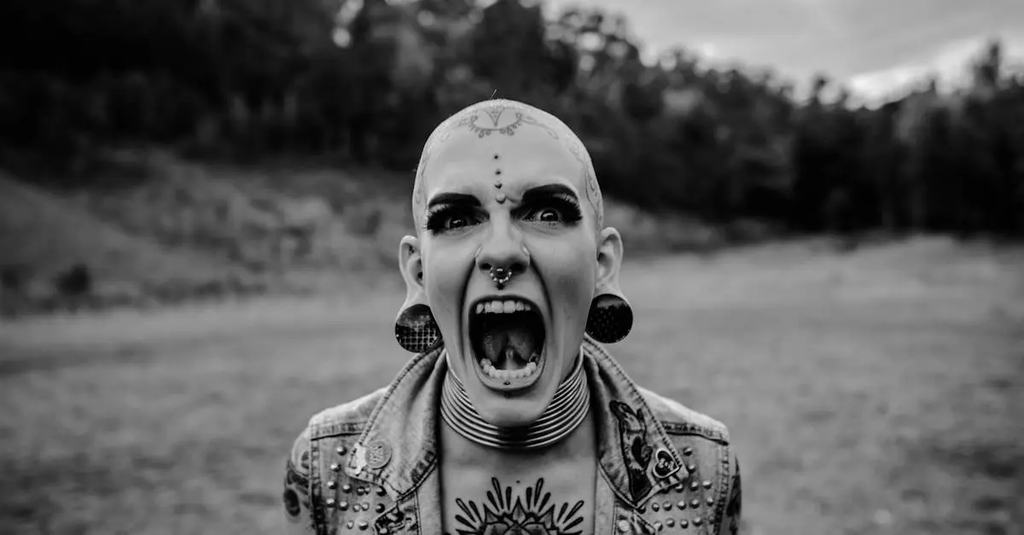
- Identify key elements of punk style (DIY ethos, leather jackets, band tees, patches, studs, spikes, safety pins, mohawks) and what they symbolize.
- Explain how punk clothing expresses rebellion, anti-establishment attitudes, and individuality.
- Describe punk's influence on mainstream fashion and later subcultures, and its lasting impact on style.
❓ Frequently Asked Questions
What defines punk style in fashion?
A rebellious, DIY aesthetic rooted in anti‑establishment attitudes. Key cues include ripped fabrics, leather jackets, studs, safety pins, band T‑shirts, bold hair colors, and DIY embellishments.
What are some iconic elements of punk fashion?
Leather jackets with patches and studs, ripped denim, plaid skirts or pants, band tees, combat boots (like Docs), safety pins, spikes, chains, and bright, unconventional hair.
How did punk fashion evolve from the 1970s through the 1990s?
1970s: DIY, anti‑fashion looks with safety pins and ripped garments. 1980s: stronger imagery with substyles like hardcore and glam influences. 1990s: revival and blending with indie/grunge aesthetics, yielding a worn‑in, customizable vibe.
How has punk fashion influenced mainstream fashion today?
Punk aesthetics persist in streetwear and runways via leather jackets, studs, band tees, plaid patterns, bold footwear, and vivid hair color, emphasizing individual expression over polish.