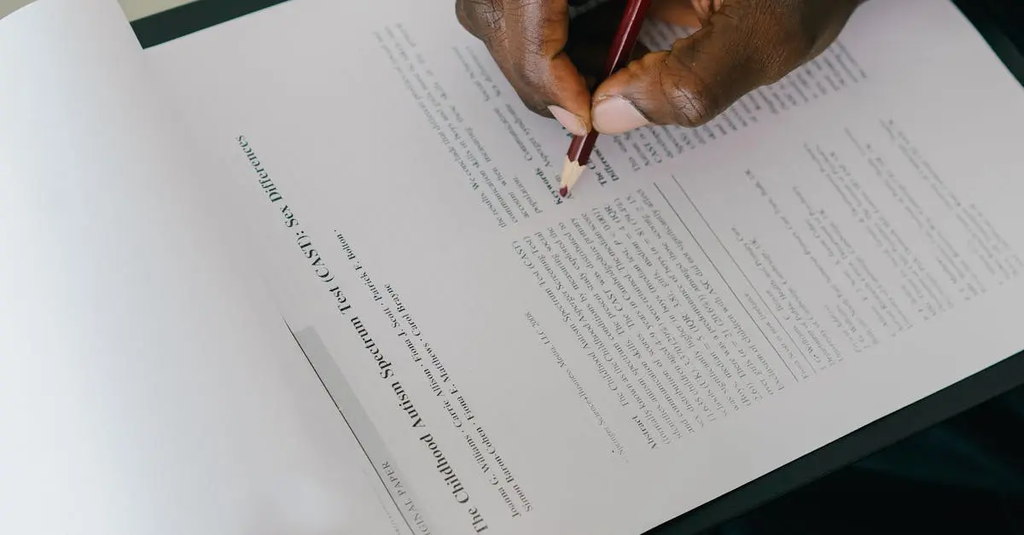
Summarizing main ideas involves identifying and expressing the most important points or concepts from a text, discussion, or presentation in a concise manner. This process requires distinguishing essential information from supporting details or examples, allowing the core message to be communicated clearly and efficiently. Summarizing main ideas helps improve understanding, recall, and communication by focusing on the key elements that are central to the overall meaning or purpose of the content.
Summarizing Main Ideas+50
Summarizing main ideas involves identifying and expressing the most important points or concepts from a text, discussion, or presentation in a concise manner. This process requires distinguishing essential information from supporting details or examples, allowing the core message to be communicated clearly and efficiently. Summarizing main ideas helps improve understanding, recall, and communication by focusing on the key elements that are central to the overall meaning or purpose of the content.

💡 Key Takeaways
- Identify the core idea of a text, discussion, or presentation.
- Distinguish essential information from supporting details to keep summaries concise.
- Paraphrase the main ideas in your own words to avoid copying.
- Write clear, brief summaries that preserve meaning for quick review.
❓ Frequently Asked Questions
What is the goal of summarizing main ideas?
To express the core message of a text, discussion, or presentation in a concise, original form by highlighting the most important points and omitting minor details.
How do you identify the main ideas?
Look for the author's main claims, topic sentences, conclusions, and recurring themes. Distinguish essential information from examples or details that support it.
What steps should you follow to write a good summary?
Read the source, pick out the main ideas, distinguish essential from nonessential details, rewrite in your own words briefly, and review for accuracy and brevity.
What makes a summary effective?
It conveys the source's core message in fewer words, uses original wording, preserves meaning, follows a logical order, and excludes unnecessary details.
How can you avoid copying too much from the original text?
Paraphrase rather than quote, restate ideas in your own voice, and limit direct quotes to only what is necessary for clarity.