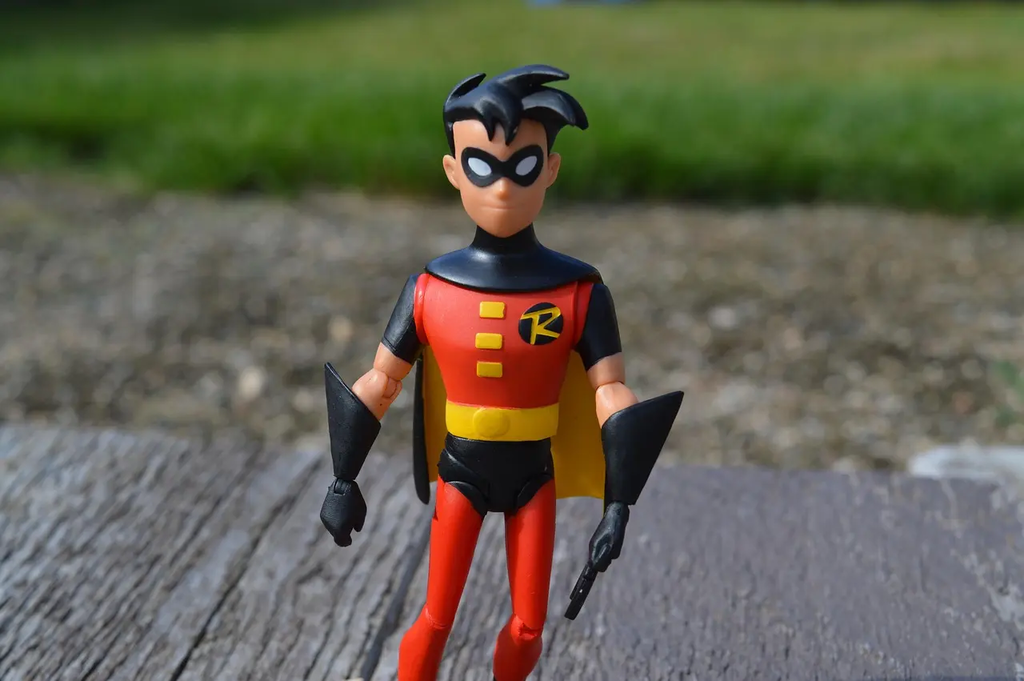
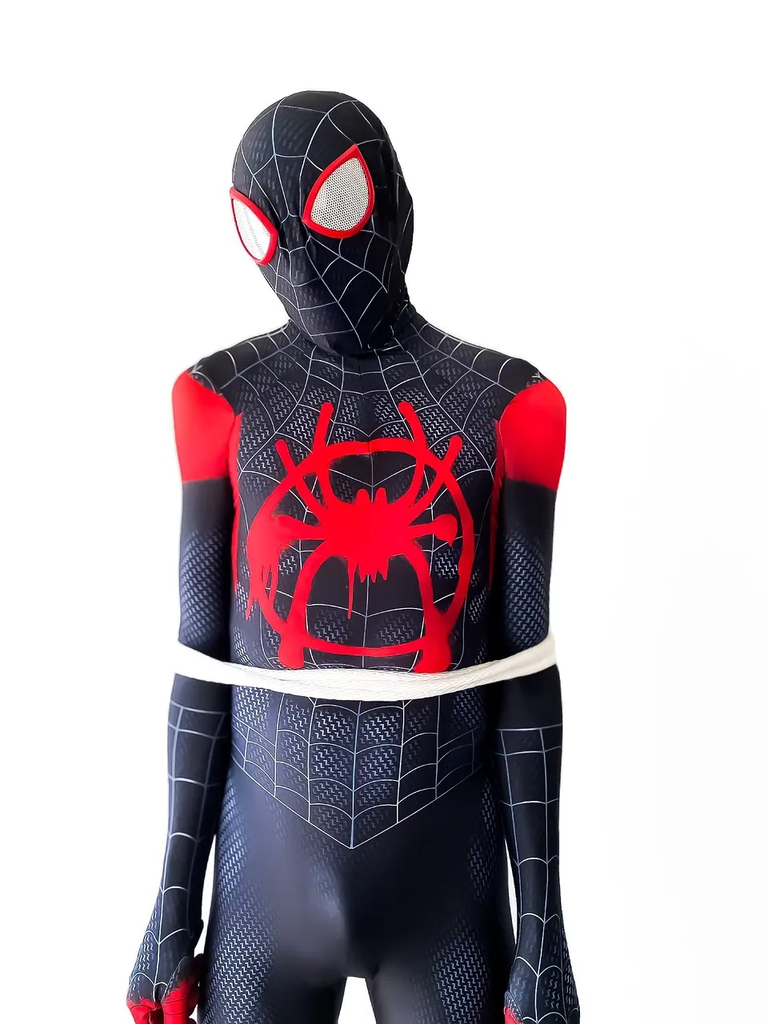
Superhero archetypes refer to the common character models and themes found in superhero stories. These include figures like the noble leader, the brooding vigilante, the comedic sidekick, and the reluctant hero. Each archetype embodies specific traits, motivations, and moral codes, influencing how they confront challenges and interact with others. These recognizable patterns help audiences connect with and understand superheroes, shaping the narratives and values within comic books, films, and other media.
Superhero Archetypes
Superhero archetypes refer to the common character models and themes found in superhero stories. These include figures like the noble leader, the brooding vigilante, the comedic sidekick, and the reluctant hero. Each archetype embodies specific traits, motivations, and moral codes, influencing how they confront challenges and interact with others. These recognizable patterns help audiences connect with and understand superheroes, shaping the narratives and values within comic books, films, and other media.
💡 Key Takeaways
- Identify common superhero archetypes (Hero, Mentor, Ally, Trickster, Villain) and their roles.
- Explain how archetypes influence motivation, conflict, and character growth in superhero stories.
- Recognize archetypes in comics, films, and novels and spot intentional subversions.
- Apply archetypes to your own characters by mapping traits to traditional roles.
- Create engaging quiz questions that test recognition of archetypes and their narrative function.
❓ Frequently Asked Questions
What is a superhero archetype?
A recurring character pattern or role (like hero, mentor, sidekick, or villain) that shapes a character’s goals, choices, and relationships across stories.
What are some common superhero archetypes?
Hero (courageous and self-sacrificing); Antihero (flawed or morally gray); Mentor (wise guide); Sidekick/Companion (loyal helper); Trickster/Rival (witty challenger who disrupts plans).
How can you tell the difference between a hero and an antihero?
Heroes typically act to help others and follow a moral code; antiheroes struggle with flaws or use questionable methods but still pursue a greater good.
What is the mentor archetype’s role in superhero stories?
To teach, equip, and inspire the protagonist, offering wisdom and perspective that help them grow and face challenges.
Why is the sidekick archetype important in superhero stories?
Sidekicks provide support, contrast, and humor, help drive teamwork, and make the hero’s journey more relatable.