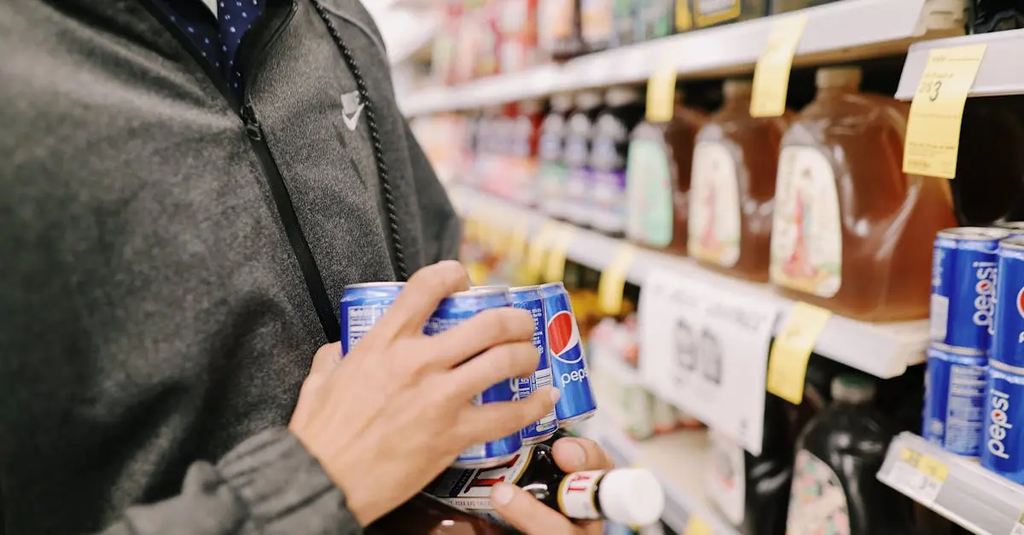
Supermarkets and private labels in Britain refer to major retail chains offering products under their own brand names alongside national brands. These private label goods are often more affordable and have become increasingly popular, allowing supermarkets to differentiate themselves and build customer loyalty. British supermarkets such as Tesco, Sainsbury’s, and Asda have expanded their private label ranges, covering everything from basic groceries to premium and specialty items, influencing shopping habits and market competition.
Supermarkets and private labels in Britain
Supermarkets and private labels in Britain refer to major retail chains offering products under their own brand names alongside national brands. These private label goods are often more affordable and have become increasingly popular, allowing supermarkets to differentiate themselves and build customer loyalty. British supermarkets such as Tesco, Sainsbury’s, and Asda have expanded their private label ranges, covering everything from basic groceries to premium and specialty items, influencing shopping habits and market competition.
💡 Key Takeaways
- What private label (own-brand) products are and how they differ from national brands in Britain.
- Why UK supermarkets develop and promote private labels (cost savings, differentiation, value) and how this affects pricing.
- How private labels have evolved in Britain (more ranges, tiered quality, store-specific lines) and their market growth.
- How private labels influence consumer choices, perceived quality, and loyalty in the British grocery sector.
❓ Frequently Asked Questions
What are private label products in Britain?
Private label products are items sold under a retailer's own brand rather than a national manufacturer's brand. They are typically cheaper and span many product categories.
What private label tiers are common in British supermarkets?
Common tiers include value/economy, standard, and premium lines. Retailers may use names like Basics or Everyday Value for value, and Taste the Difference or Finest for premium.
Why do supermarkets use private labels?
To differentiate from rivals, control pricing and margins, and offer affordable options while expanding exclusive product ranges for loyalty.
How can you tell if a product is private label in the UK?
Look for the retailer's name on the brand (e.g., Tesco, Sainsbury's) rather than a separate manufacturer brand. Packaging may also say 'Own Brand' or include tier names such as 'Basics' or 'Taste the Difference.'