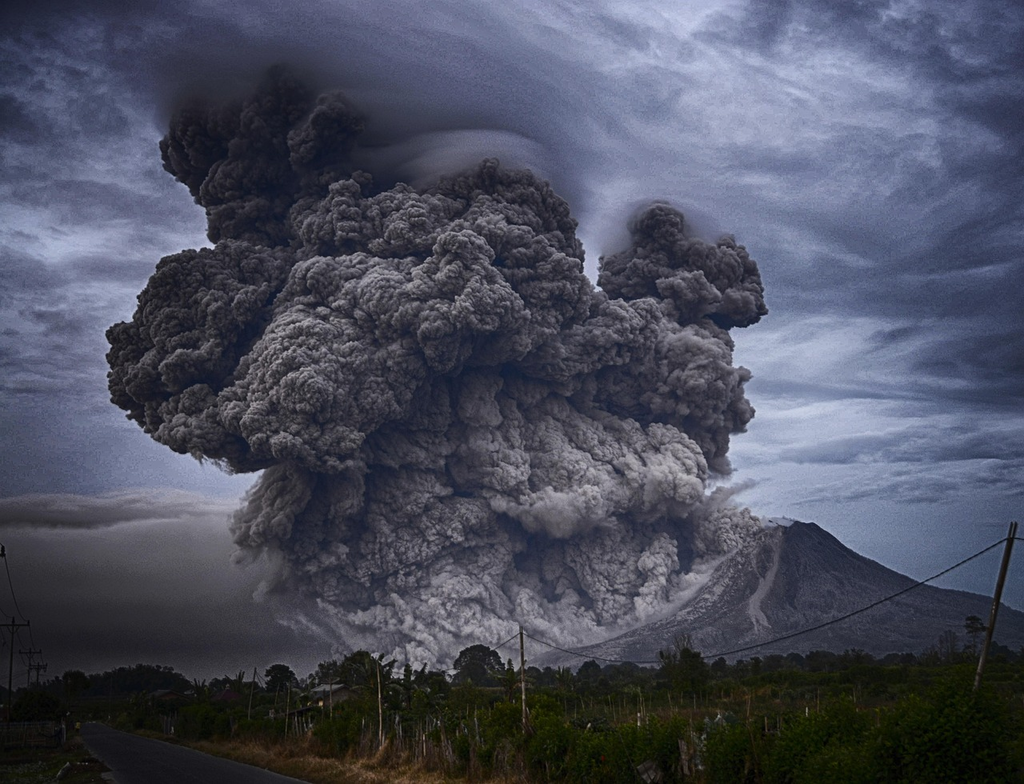
Supervolcano eruptions are rare, catastrophic volcanic events that release immense amounts of magma, ash, and gases, far surpassing typical volcanic eruptions. These explosions can blanket continents in ash, alter global climates, and threaten life on a massive scale. Supervolcanoes, such as Yellowstone, represent nature’s most frightening geological forces, capable of causing widespread devastation and long-term environmental changes, making them one of Earth’s most powerful and unpredictable natural disasters.
Supervolcano Eruptions
Supervolcano eruptions are rare, catastrophic volcanic events that release immense amounts of magma, ash, and gases, far surpassing typical volcanic eruptions. These explosions can blanket continents in ash, alter global climates, and threaten life on a massive scale. Supervolcanoes, such as Yellowstone, represent nature’s most frightening geological forces, capable of causing widespread devastation and long-term environmental changes, making them one of Earth’s most powerful and unpredictable natural disasters.
💡 Key Takeaways
- Define what a supervolcano is and how it differs from ordinary volcanoes (size, magma volume, and VEI scale).
- Explain the potential global and regional impacts of a supervolcano eruption, including climate effects and ash clouds.
- Describe the eruption process of supervolcanoes (magma chamber buildup, rapid pressurization, and massive explosive release).
- Summarize how scientists monitor supervolcanoes and the warning signs they watch for, plus the limitations of current detection methods.
❓ Frequently Asked Questions
What is a supervolcano?
A type of volcano capable of extremely large eruptions that eject thousands of cubic kilometers of material, often creating a huge caldera; these eruptions are typically VEI 7–8.
How much material is released in a supervolcano eruption?
Typically more than 1,000 cubic kilometers of magma and rock; these VEI-8 events can be several thousand cubic kilometers.
What does VEI stand for and what does it measure?
VEI stands for Volcanic Explosivity Index. It rates eruption size on a scale from 0 to 8 based on ejecta volume, plume height, and duration.
What are potential global effects of a supervolcano eruption?
Ash clouds and sulfur aerosols can cool the climate (volcanic winter), disrupt air travel, damage crops, and affect ecosystems for years to decades, depending on the eruption.