Surveying and site layout involve the precise measurement and mapping of land to determine boundaries, elevations, and features essential for construction projects. Surveyors use specialized equipment to collect data, which guides the accurate placement of structures, utilities, and roads according to design plans. Proper site layout ensures that construction aligns with legal property lines and engineering specifications, reducing errors, enhancing safety, and facilitating efficient project management from start to finish.
Surveying & Site Layout
Surveying and site layout involve the precise measurement and mapping of land to determine boundaries, elevations, and features essential for construction projects. Surveyors use specialized equipment to collect data, which guides the accurate placement of structures, utilities, and roads according to design plans. Proper site layout ensures that construction aligns with legal property lines and engineering specifications, reducing errors, enhancing safety, and facilitating efficient project management from start to finish.
💡 Key Takeaways
- Understand how surveying defines land boundaries, elevations, and site features for construction.
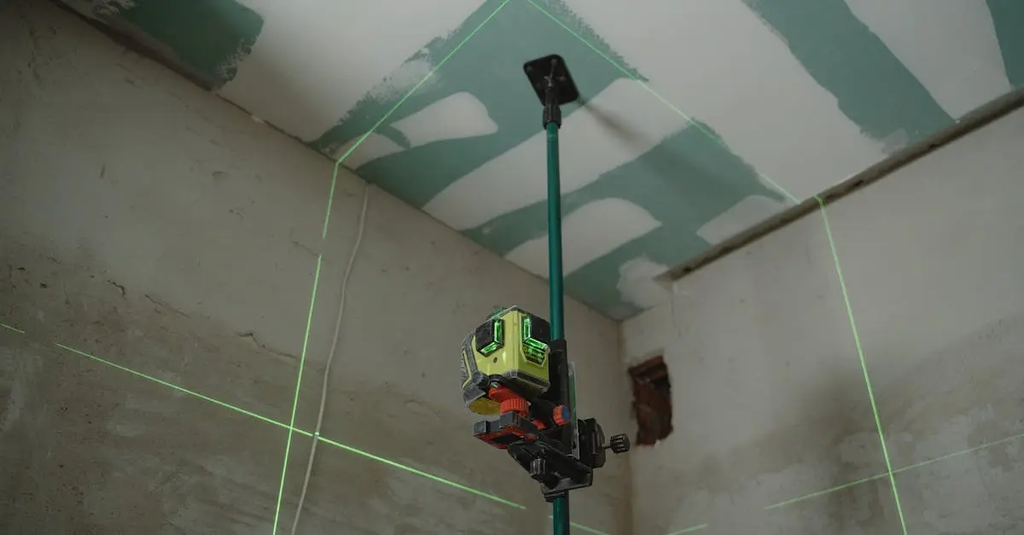
- Identify common surveying tools (total stations, levels, GPS) and the data they collect.
- See how survey data guides the precise placement of structures, utilities, and roads.
- Explain how accuracy is maintained on site through benchmarks, tolerances, and quality checks.
❓ Frequently Asked Questions
What is surveying in construction?
Surveying is the precise measurement and mapping of land to determine boundaries, elevations, and features that guide the placement of structures, utilities, and roads.
Why is site layout important in construction?
Site layout translates survey data into exact ground placements, ensuring buildings fit the design, meet setbacks, and align with utilities and roads.
What tools do surveyors use?
Common tools include GPS/GNSS receivers, total stations, theodolites, levels, and data collectors to measure positions, angles, and elevations.
What is a boundary survey?
A boundary survey determines the precise property lines and corners based on legal descriptions and landmarks to establish ownership and avoid encroachments.