Survival & Safety Tips are practical guidelines designed to help individuals stay safe and secure in various emergency situations. These tips cover essential skills such as finding clean water, building shelter, signaling for help, and basic first aid. They also include advice on avoiding dangerous areas, staying calm under pressure, and using available resources wisely. Following these tips increases the chances of enduring challenging circumstances and minimizing risks to personal safety.
Survival & Safety Tips
Survival & Safety Tips are practical guidelines designed to help individuals stay safe and secure in various emergency situations. These tips cover essential skills such as finding clean water, building shelter, signaling for help, and basic first aid. They also include advice on avoiding dangerous areas, staying calm under pressure, and using available resources wisely. Following these tips increases the chances of enduring challenging circumstances and minimizing risks to personal safety.
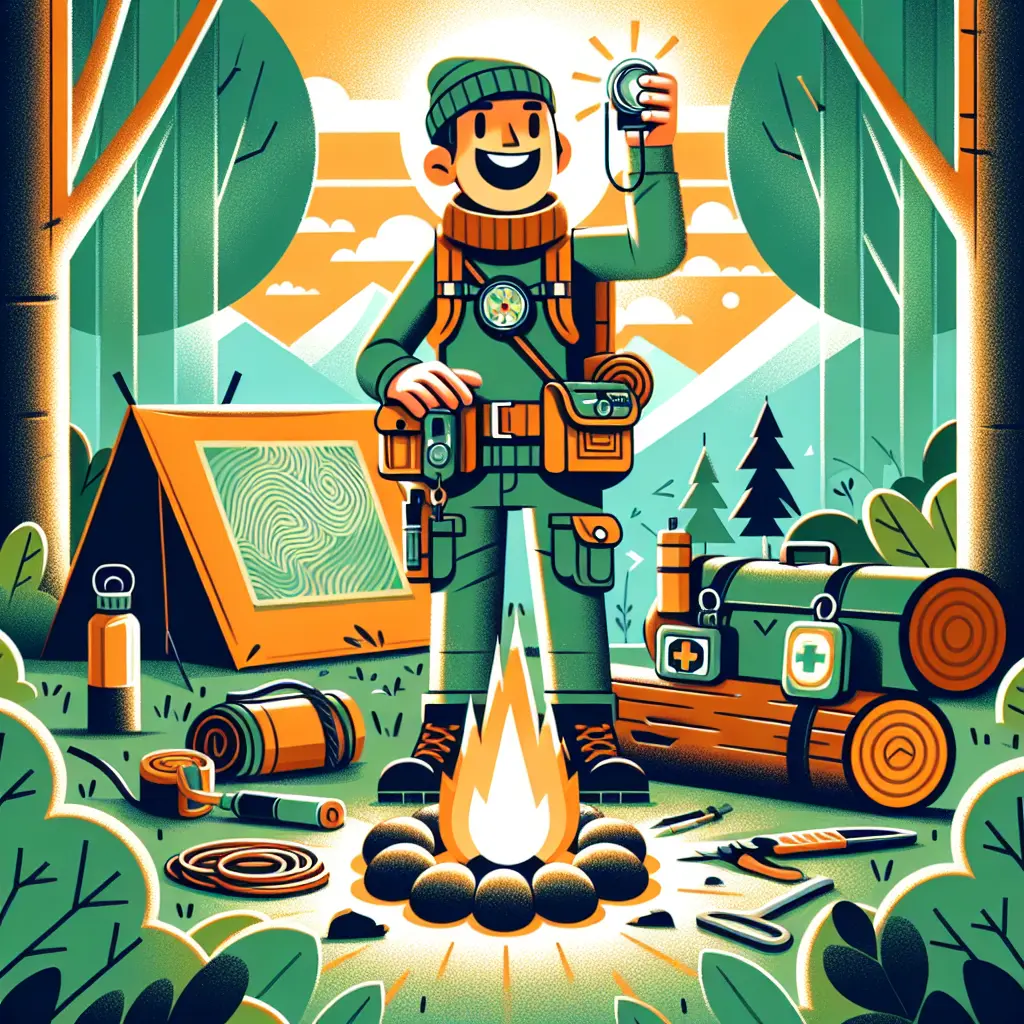
💡 Key Takeaways
- Identify priority safety actions during weather events and disasters to reduce risk.
- Locate and assess clean water sources and apply basic purification methods.
- Build or improvise a shelter to protect yourself from exposure using available resources.
- Signal for help effectively to attract rescuers and communicate your location.
- Provide basic first aid for common injuries and know when to seek professional care.
❓ Frequently Asked Questions
What are the essential survival priorities to address first?
Water, shelter, and a way to signal for help or provide basic first aid—these help you stay hydrated, protected from the elements, and reachable by rescuers.
How do you find and make water safe to drink in the wild?
Look for flowing water or collect rain; purify by boiling (1 minute at low elevations; longer at high elevations) or use a portable filter or purification tablets.
What are effective ways to signal for help if you’re lost?
Make yourself visible: three short signals (calls or flashes), use large SOS markers, carry a mirror or flashlight, and wear bright clothing; stay in an open area.
What are basic first aid steps to follow in a disaster?
Ensure safety, check responsiveness, control bleeding with clean pressure, cover wounds, immobilize suspected injuries, and call for professional help.
How can you reduce risk during severe weather or disasters?
Stay informed with official alerts, seek sturdy shelter, have an emergency kit ready, avoid floodwaters and downed power lines, and move to higher ground if advised.