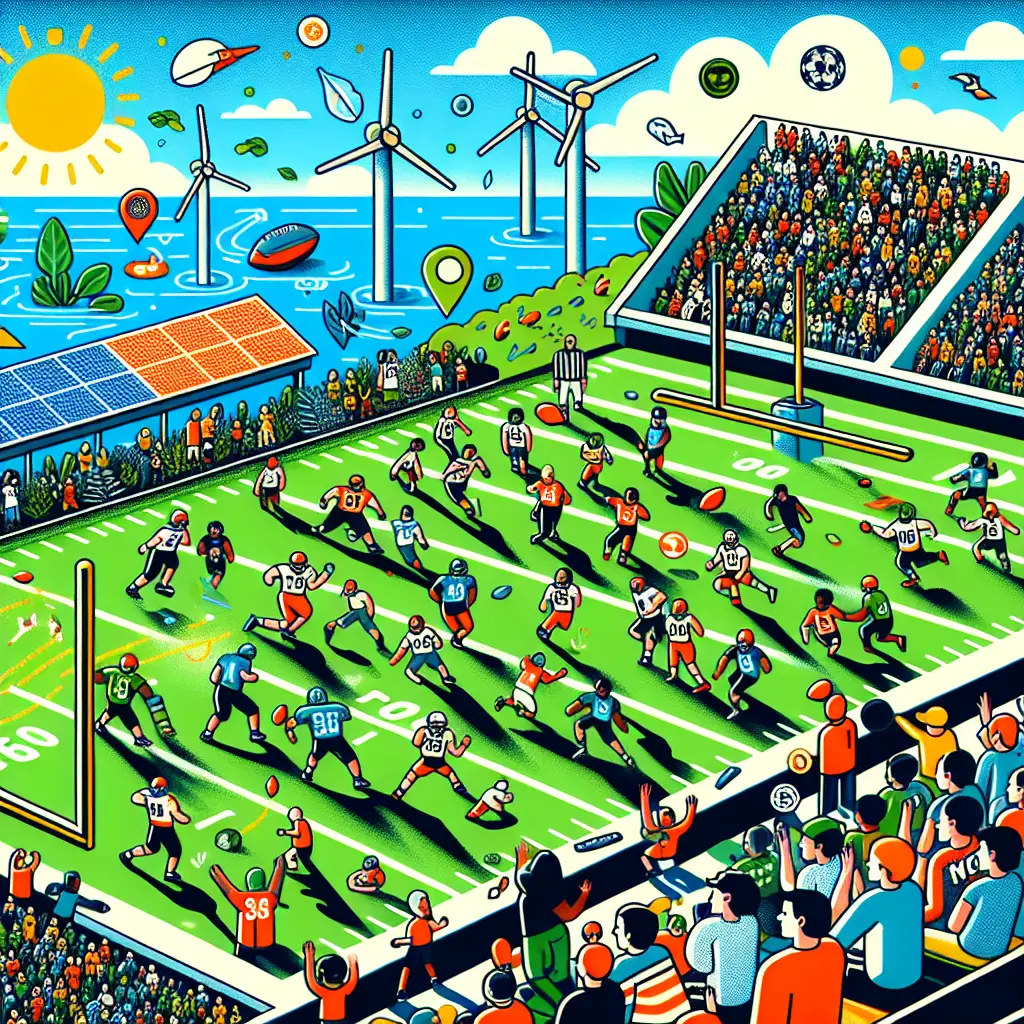
Sustainability and social impact in football refer to the sport’s efforts to minimize its environmental footprint and promote positive change in communities. This includes initiatives like reducing stadium emissions, promoting recycling, and supporting social causes such as diversity, inclusion, and youth development. By integrating sustainable practices and community engagement, football clubs and organizations aim to create long-term benefits for both the environment and society, enhancing the sport’s overall legacy and influence.
Sustainability & Social Impact in Football
Sustainability and social impact in football refer to the sport’s efforts to minimize its environmental footprint and promote positive change in communities. This includes initiatives like reducing stadium emissions, promoting recycling, and supporting social causes such as diversity, inclusion, and youth development. By integrating sustainable practices and community engagement, football clubs and organizations aim to create long-term benefits for both the environment and society, enhancing the sport’s overall legacy and influence.
💡 Key Takeaways
- Understand how football clubs reduce environmental footprint via stadium energy efficiency, renewable power, and sustainable transport.
- Learn how matches minimize waste through recycling, composting, and waste-reduction programs.
- Explore football's social impact, including diversity, inclusion, and community development.
- Discover how fans and clubs can participate in sustainable football through volunteering, ethical sponsorships, and green policies.
❓ Frequently Asked Questions
What does sustainability mean in football?
In football, sustainability means reducing the sport’s environmental footprint while fostering lasting positive social impact in communities.
What are common ways football clubs reduce stadium emissions?
Strategies include energy-efficient lighting and HVAC, on-site renewable energy, sustainable transport options, water conservation, and waste reduction.
How does football support social causes like diversity and inclusion?
Clubs run community programs, promote equal access and representation, engage fans, and partner with charities to advance inclusion and social development.
Why is recycling and waste management important at football events?
Large events generate significant waste; recycling lowers landfill use, conserves resources, and demonstrates environmental responsibility to fans and communities.