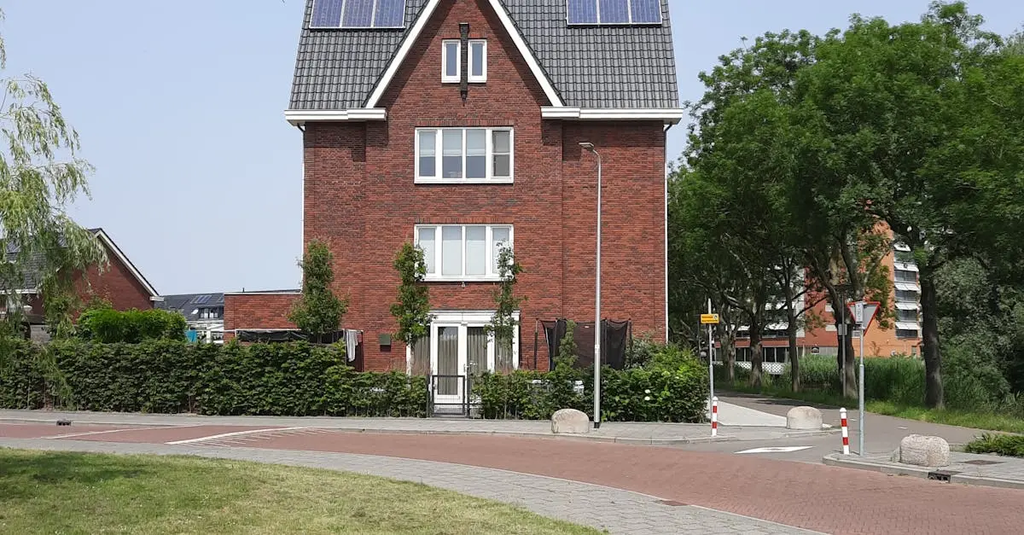
Sustainable construction technologies refer to innovative methods, materials, and practices that minimize environmental impact and promote resource efficiency throughout a building’s lifecycle. These technologies include energy-efficient systems, renewable materials, waste reduction techniques, and smart building management. By integrating sustainability into construction, these approaches aim to reduce carbon emissions, conserve natural resources, and create healthier, more resilient built environments for present and future generations.
Sustainable Construction Technologies+50
Sustainable construction technologies refer to innovative methods, materials, and practices that minimize environmental impact and promote resource efficiency throughout a building’s lifecycle. These technologies include energy-efficient systems, renewable materials, waste reduction techniques, and smart building management. By integrating sustainability into construction, these approaches aim to reduce carbon emissions, conserve natural resources, and create healthier, more resilient built environments for present and future generations.
💡 Key Takeaways
- Understand the core concepts of sustainable construction and lifecycle thinking.
- Identify energy-efficient design strategies and low-carbon materials used in buildings.
- Learn methods for waste reduction, material reuse, and recycling in construction projects.
- Evaluate water efficiency, stormwater management, and green infrastructure to reduce environmental impact.
❓ Frequently Asked Questions
What does sustainable construction technology mean?
It covers methods, materials, and systems designed to reduce environmental impact across a building's life cycle—from resource extraction to end-of-life—while maintaining comfort and durability.
What are common sustainable building materials?
Materials with low embodied energy or high recyclability, such as recycled steel, fly ash or slag concrete, cross-laminated timber, bamboo, reclaimed bricks, and high-performance insulation.
How do energy-efficient designs save resources?
By improving the building envelope, using efficient HVAC and lighting, incorporating heat recovery, and adding on-site renewables to reduce operational energy use.
What is prefabrication or modular construction, and why is it sustainable?
Off-site manufacturing reduces on-site waste, shortens construction time, and enables better material reuse and quality control.
What is life cycle assessment (LCA) and why is it used?
LCA evaluates environmental impacts from material extraction to disposal, helping choose options that lower carbon emissions and resource use.