Sustainable studio practices refer to environmentally conscious methods and habits adopted by artists and designers in their creative spaces. This includes reducing waste, recycling materials, choosing non-toxic supplies, conserving energy, and sourcing eco-friendly products. By implementing these practices, artists minimize their ecological impact, promote health and safety, and contribute to a more sustainable art community. Such approaches encourage thoughtful resource use and long-term responsibility within creative industries.
Sustainable Studio Practices
Sustainable studio practices refer to environmentally conscious methods and habits adopted by artists and designers in their creative spaces. This includes reducing waste, recycling materials, choosing non-toxic supplies, conserving energy, and sourcing eco-friendly products. By implementing these practices, artists minimize their ecological impact, promote health and safety, and contribute to a more sustainable art community. Such approaches encourage thoughtful resource use and long-term responsibility within creative industries.
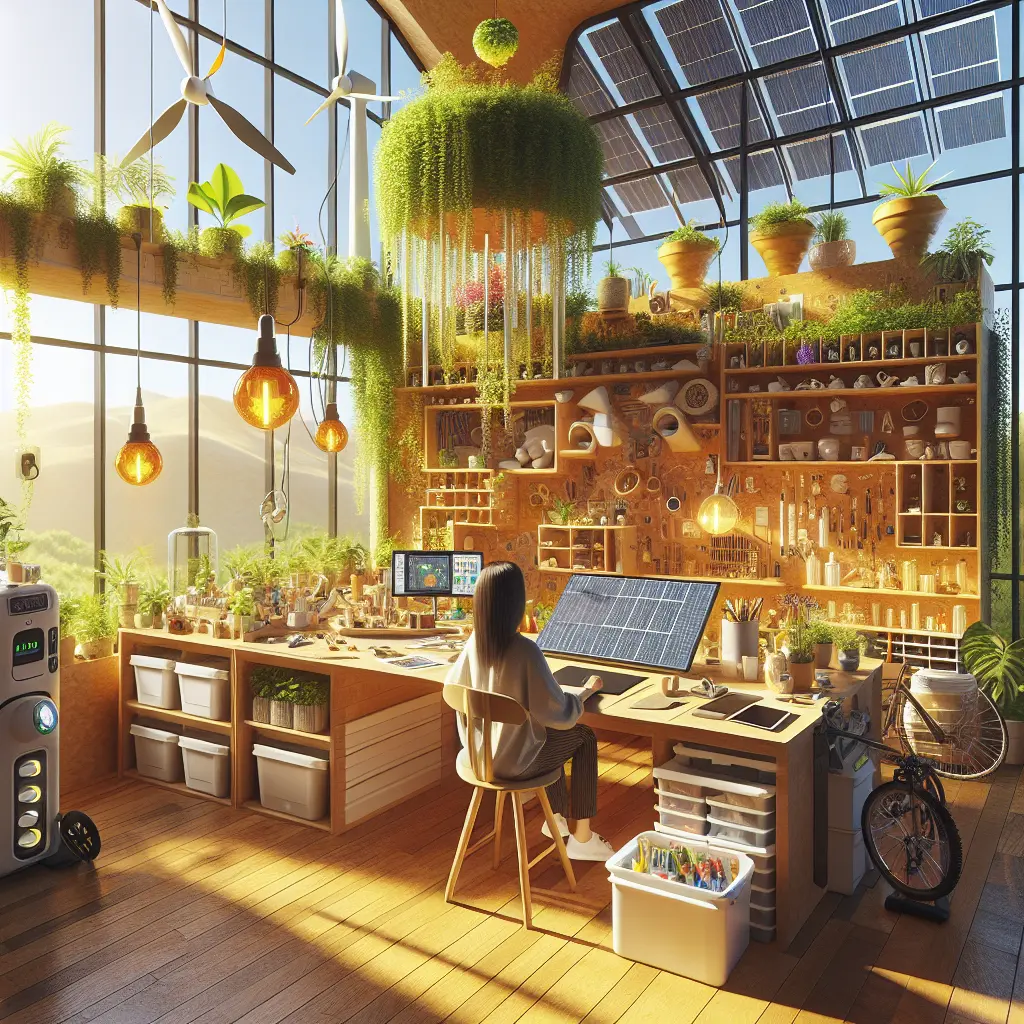
💡 Key Takeaways
- Identify waste streams in a studio and apply reduce/reuse/recycle strategies to minimize material waste.
- Choose non-toxic, low-VOC paints, solvents, adhesives, and finishes to protect health and the environment.
- Conserve energy in the studio with efficient lighting, equipment use, and scheduling.
- Source eco-friendly materials and establish responsible end-of-life disposal and upcycling practices.
❓ Frequently Asked Questions
What are sustainable studio practices?
Environmentally conscious methods in arts spaces, including reducing waste, reusing and recycling materials, choosing low-toxicity supplies, conserving energy, and sourcing eco-friendly products.
How can I reduce waste in my art studio?
Reuse scraps and offcuts, repurpose containers, buy in bulk to cut packaging, recycle and compost where possible, and dispose of hazardous materials according to local guidelines.
What are non-toxic supplies and why should I use them?
Non-toxic, low-VOC or water-based products minimize health risks and environmental impact; look for certifications and choose safer pigments, binders, and solvents.
How can I conserve energy in a studio?
Maximize daylight, switch to energy-efficient LEDs, turn off equipment when not in use, use power strips, and optimize heating/cooling with good insulation and airflow.