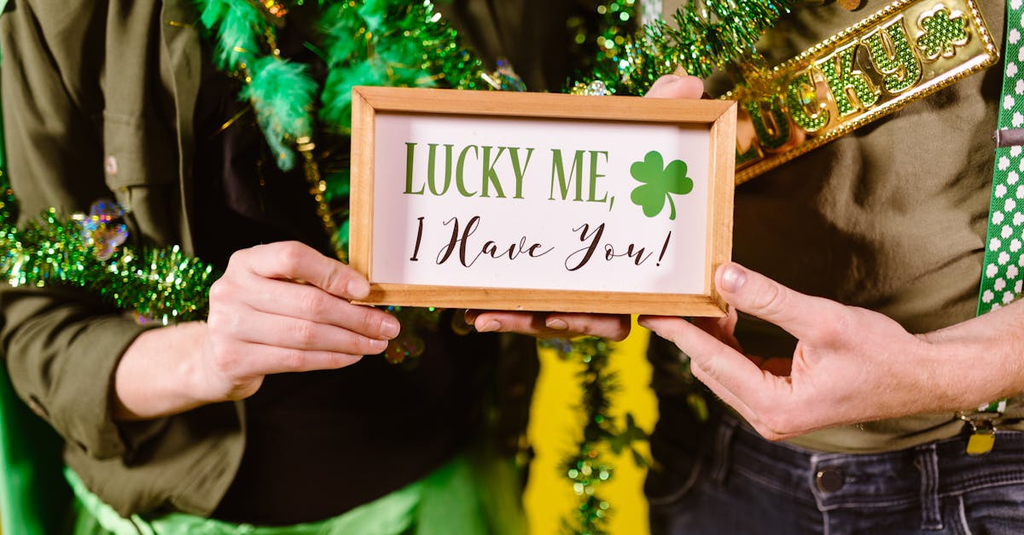
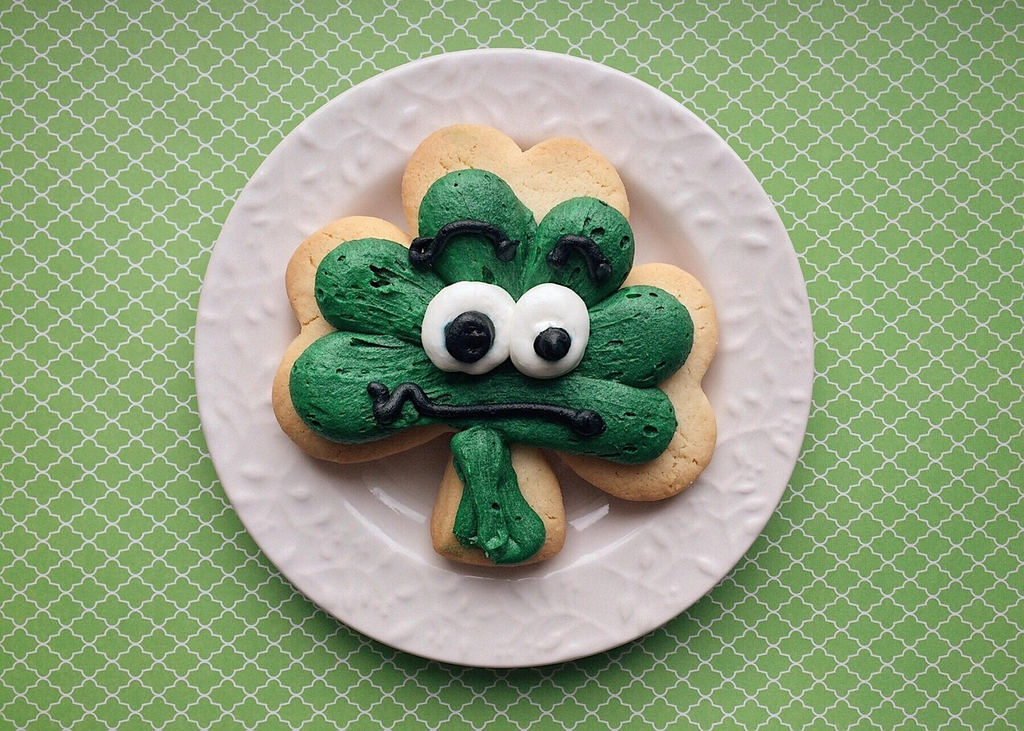
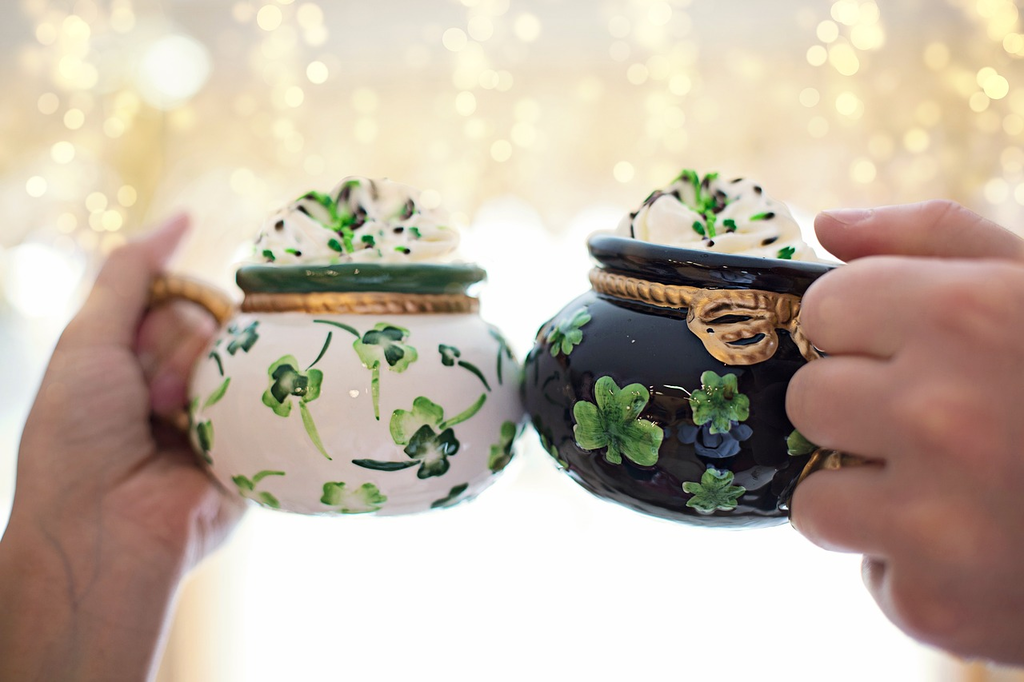
Symbols of St. Patrick’s Day include the shamrock, which represents the Holy Trinity and Irish heritage; leprechauns, mischievous fairy folk from Irish folklore; pots of gold, linked to leprechaun legends; and the color green, symbolizing Ireland’s lush landscape and national pride. Other common symbols are rainbows, Celtic crosses, and traditional Irish music and dance, all celebrating Irish culture and the legacy of St. Patrick.
Symbols of St. Patrick's Day+50
Symbols of St. Patrick’s Day include the shamrock, which represents the Holy Trinity and Irish heritage; leprechauns, mischievous fairy folk from Irish folklore; pots of gold, linked to leprechaun legends; and the color green, symbolizing Ireland’s lush landscape and national pride. Other common symbols are rainbows, Celtic crosses, and traditional Irish music and dance, all celebrating Irish culture and the legacy of St. Patrick.
💡 Key Takeaways
- Identify the main symbols of St. Patrick's Day (shamrock, leprechaun, pot of gold, and green).
- Explain the shamrock's origin and its link to St. Patrick and the Holy Trinity.
- Describe the folklore of leprechauns and the pot of gold and how they influence modern celebrations.
- Understand why the color green is tied to Ireland and this holiday, and the tradition of wearing green.
- See how symbols are used in contemporary celebrations (parades, decorations, foods, and souvenirs).
❓ Frequently Asked Questions
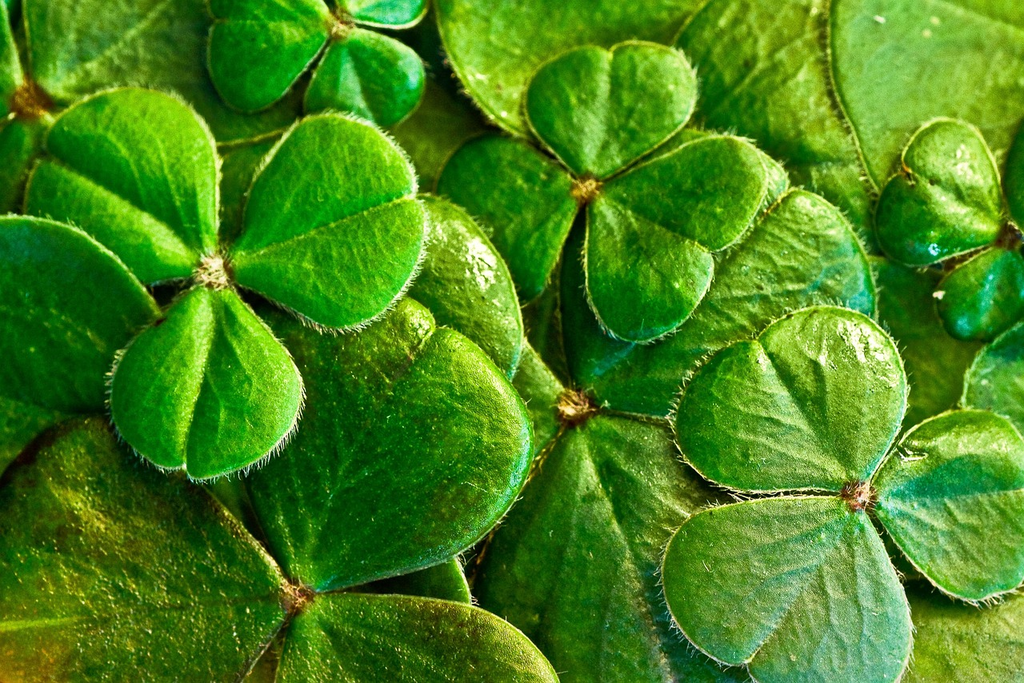
What is the shamrock and why is it a symbol of St. Patrick's Day?
A shamrock is a three-leaf clover. St. Patrick used it to explain the Holy Trinity, and it has become a symbol of Ireland and St. Patrick's Day.
Who is a leprechaun, and how is it connected to St. Patrick's Day?
In Irish folklore, a leprechaun is a small fairy cobbler who guards treasure; it’s a popular symbol of Irish folklore and luck on St. Patrick's Day.
Why do people wear green on St. Patrick's Day?
Green links to Ireland (the Emerald Isle) and to shamrocks; wearing it honors Irish heritage, and folklore says green helps you hide from leprechauns.
What does the harp symbolize in Ireland?
The harp is a traditional Irish instrument and a long-standing national symbol used in heraldry and branding to represent Irish culture.
What does a pot of gold at the end of a rainbow signify in Irish folklore?
A legendary treasure guarded by a leprechaun; it represents luck and wealth in Irish folklore.