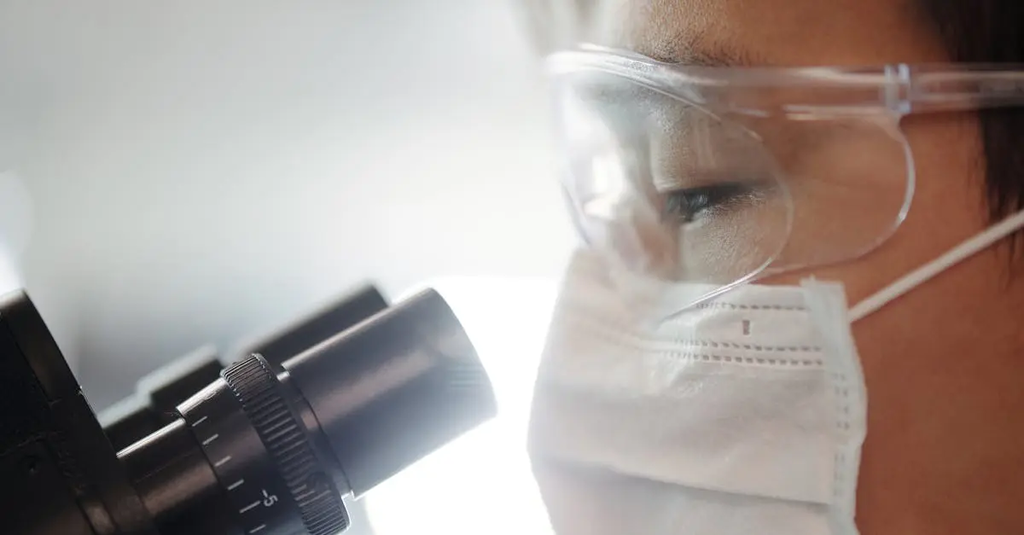
Synthetic biology and bioengineering in Britain involve the design and construction of new biological parts, devices, and systems, as well as the re-engineering of existing biological organisms for useful purposes. The UK is a leader in this field, with strong academic research, government investment, and innovative startups. Applications range from healthcare and pharmaceuticals to sustainable materials, agriculture, and environmental solutions, positioning Britain at the forefront of biotechnology advancements.
Synthetic biology and bioengineering in Britain
Synthetic biology and bioengineering in Britain involve the design and construction of new biological parts, devices, and systems, as well as the re-engineering of existing biological organisms for useful purposes. The UK is a leader in this field, with strong academic research, government investment, and innovative startups. Applications range from healthcare and pharmaceuticals to sustainable materials, agriculture, and environmental solutions, positioning Britain at the forefront of biotechnology advancements.
💡 Key Takeaways
- Define synthetic biology and bioengineering as the design and construction of new biological parts, devices, and systems, plus the re-engineering of existing organisms.
- Explain how re-engineering organisms can enable useful tasks in medicine, industry, and the environment.
- Recognize the United Kingdom's leadership in the field through strong academic research.
- Understand how government investment supports research, innovation, and collaboration in Britain.
❓ Frequently Asked Questions
What is synthetic biology and bioengineering?
Synthetic biology designs and constructs new biological parts, devices, and systems, or re-engineers existing organisms for useful purposes, using engineering-style design, standardization, and testing. Bioengineering applies these designs to real-world problems.
Why is Britain considered a leader in this field?
The UK has strong academic research, substantial government funding, and a growing biotech ecosystem, with world-class universities and programs that translate discoveries into applications.
What are common applications of synthetic biology and bioengineering in Britain?
Healthcare innovations (diagnostics, therapies, gene editing), sustainable production (biomanufacturing, biofuels), environmental sensing/remediation, and agricultural improvements.
How are safety, ethics, and regulation managed in Britain?
Researchers follow biosafety guidelines and risk assessments, with regulatory oversight and ethics review to ensure responsible research and public welfare.
How can I learn more or get involved in the UK field?
Explore university programs and UKRI-funded research, attend biotech meetups or summer schools, or join student biotech clubs or community labs for hands-on experience.