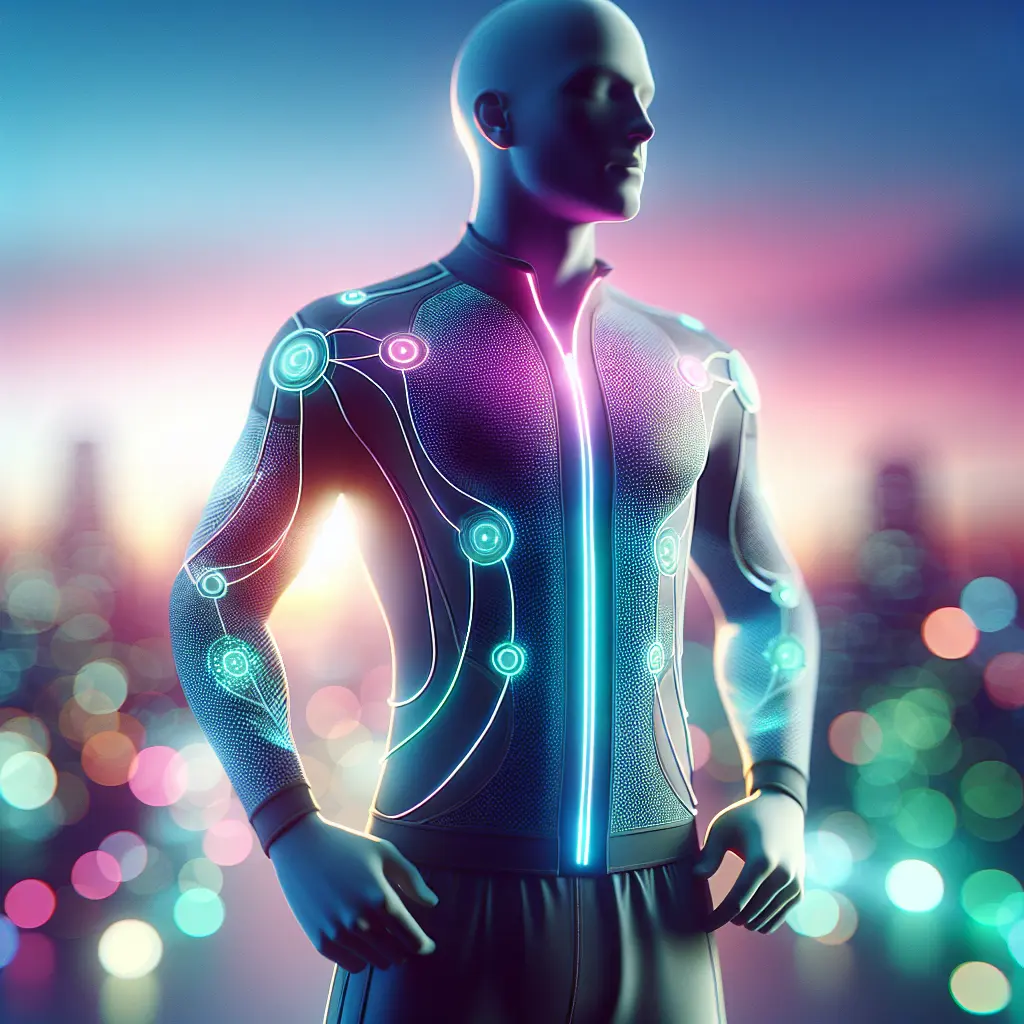
Synthetic Biology Futures refers to the emerging possibilities and advancements in synthetic biology, a field that combines biology, engineering, and technology to design and construct new biological systems or redesign existing ones. It envisions breakthroughs in medicine, agriculture, energy, and environmental sustainability, such as custom organisms for drug production, improved crops, or bio-based materials. The phrase highlights both the potential benefits and ethical considerations shaping the future trajectory of this transformative science.
Synthetic Biology Futures
Synthetic Biology Futures refers to the emerging possibilities and advancements in synthetic biology, a field that combines biology, engineering, and technology to design and construct new biological systems or redesign existing ones. It envisions breakthroughs in medicine, agriculture, energy, and environmental sustainability, such as custom organisms for drug production, improved crops, or bio-based materials. The phrase highlights both the potential benefits and ethical considerations shaping the future trajectory of this transformative science.
💡 Key Takeaways
- Understand synthetic biology as the engineering-driven design and construction of new biological systems or the redesign of existing ones.
- Explore how synthetic biology could transform medicine, agriculture, and energy in the near future.
- Identify core enabling tools and concepts such as gene synthesis, genome editing, synthetic gene circuits, and biosensors.
- Consider ethical, safety, and governance issues and the principles of responsible innovation in this field.
- Discuss sci-fi and cyber-future scenarios and their societal, security, and ethical implications.
❓ Frequently Asked Questions
What is synthetic biology?
Synthetic biology is a field that uses engineering principles to design and construct new biological parts, devices, or systems, or redesign existing ones to achieve useful functions.
What kinds of breakthroughs might the future bring in medicine, agriculture, and energy?
Medicine could see new therapies and diagnostics; agriculture may feature crops with enhanced traits; energy could rely on biofuels and bioproducts produced by engineered organisms.
What is the design-build-test cycle in synthetic biology?
It’s an iterative workflow: design a genetic system, build or assemble it, test its performance, and refine the design based on results.
What safety and ethical considerations are important?
Biosafety and biosecurity, potential ecological impacts, and responsible governance to ensure fair access and minimize harm.