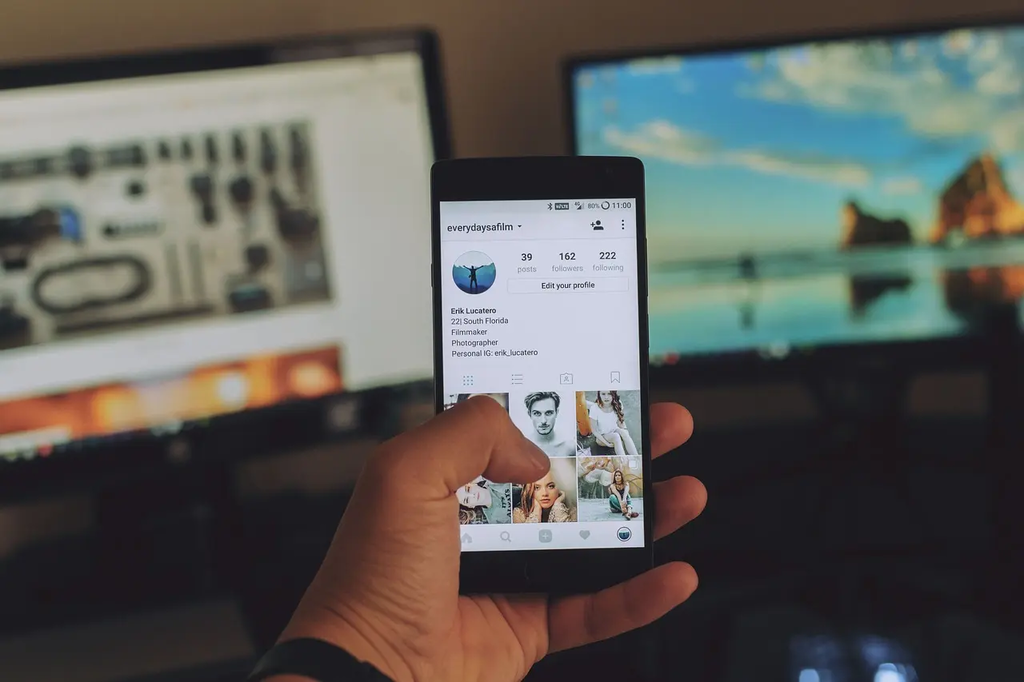
Tablets and e-readers are portable electronic devices designed for reading digital content and performing various tasks. Tablets offer multifunctional capabilities, including web browsing, media consumption, gaming, and productivity applications, often featuring color touchscreens. E-readers, on the other hand, are specialized for reading e-books and documents, typically using e-ink displays that mimic paper and reduce eye strain. Both devices provide convenience and mobility for accessing digital information on the go.
Tablets and E‑Readers
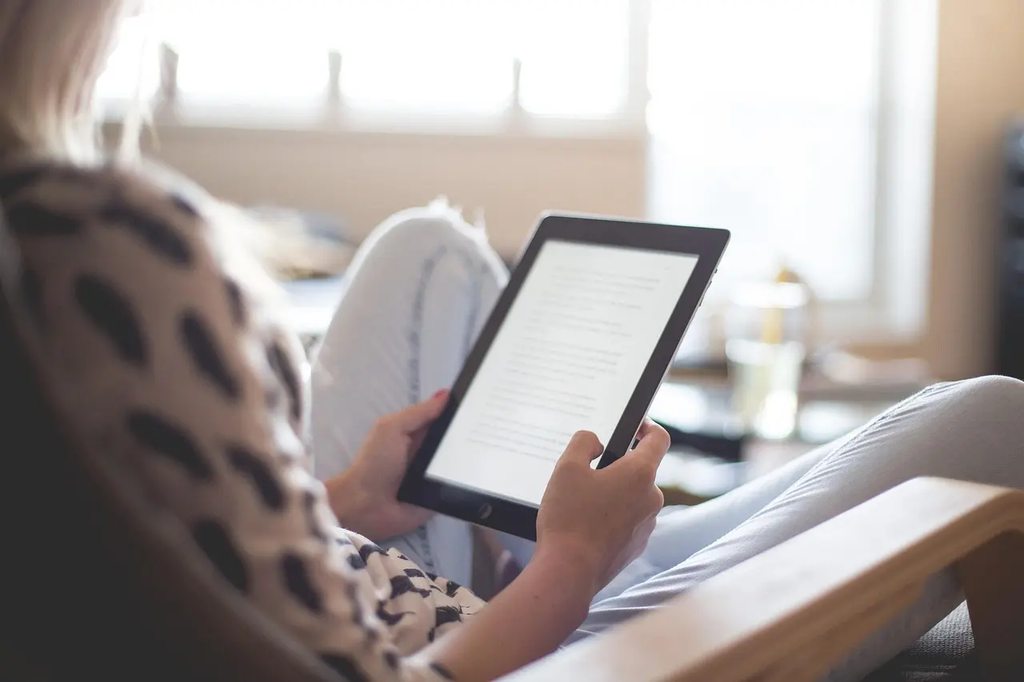
Tablets and e-readers are portable electronic devices designed for reading digital content and performing various tasks. Tablets offer multifunctional capabilities, including web browsing, media consumption, gaming, and productivity applications, often featuring color touchscreens. E-readers, on the other hand, are specialized for reading e-books and documents, typically using e-ink displays that mimic paper and reduce eye strain. Both devices provide convenience and mobility for accessing digital information on the go.
❓ Frequently Asked Questions
What is the main difference between tablets and e-readers?
Tablets are multi-purpose devices with color touchscreens and access to web, apps, games, and media; e-readers are specialized for reading and typically use e-ink, which mimics paper and offers long battery life.
What screen technologies do tablets and e-readers use, and how do they affect reading?
Tablets use backlit color screens (LCD/LED or OLED) suitable for color and video; e-readers use matte, non-backlit or low-glare e-ink displays that are easier on the eyes for long reading sessions.
Can I read e-books on a tablet?
Yes. You can read e-books on tablets using apps like Kindle, Apple Books, Google Play Books, and other e-reader apps.
How do battery life and portability compare?
E-readers typically last weeks on a single charge and are lighter; tablets usually run for hours to a couple of days depending on use and features.