The Taj Mahal is a stunning white marble mausoleum located in Agra, India. Built in the 17th century by Mughal Emperor Shah Jahan in memory of his beloved wife Mumtaz Mahal, it is renowned for its breathtaking architecture and intricate details. Recognized as a UNESCO World Heritage Site, the Taj Mahal attracts millions of visitors each year and is considered one of the most iconic symbols of love and a masterpiece of Mughal architecture.
Taj Mahal+50
The Taj Mahal is a stunning white marble mausoleum located in Agra, India. Built in the 17th century by Mughal Emperor Shah Jahan in memory of his beloved wife Mumtaz Mahal, it is renowned for its breathtaking architecture and intricate details. Recognized as a UNESCO World Heritage Site, the Taj Mahal attracts millions of visitors each year and is considered one of the most iconic symbols of love and a masterpiece of Mughal architecture.
💡 Key Takeaways
- Identify Taj Mahal as a 17th‑century mausoleum in Agra built by Emperor Shah Jahan for Mumtaz Mahal.
- Describe its iconic features: white marble exterior, central dome, four minarets, and a reflecting pool with a symmetrical Charbagh garden.
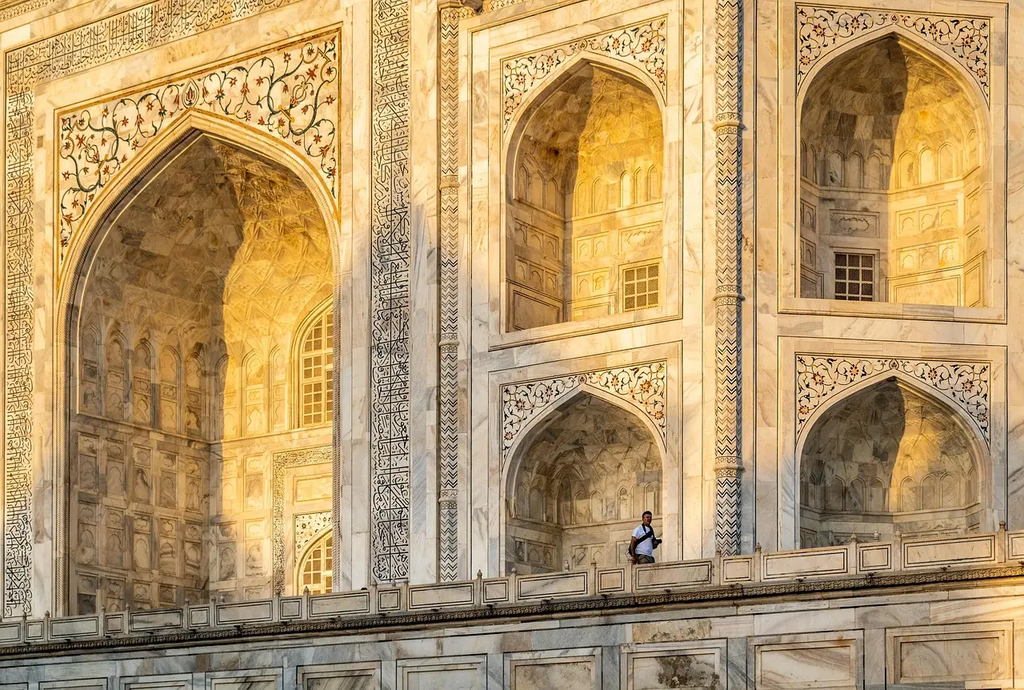
- Explain the decorative techniques, including pietra dura inlay and calligraphic inscriptions on the façade.
- Recognize its cultural significance as a UNESCO World Heritage Site and a symbol of Mughal architecture and enduring love.
❓ Frequently Asked Questions
What is the Taj Mahal?
A 17th-century white marble mausoleum in Agra, built by Mughal emperor Shah Jahan in memory of his wife Mumtaz Mahal; renowned for its symmetry and inlay.
When was it built and by whom?
Construction began in 1632 and largely completed by 1653, commissioned by Shah Jahan for Mumtaz Mahal.
What materials and architectural style define it?
Made of white Makrana marble with pietra dura inlay; blends Mughal, Persian, and Indian architecture with a symmetric layout, four minarets, and a charbagh garden.
Why is the Taj Mahal famous or symbolically important?
It is a symbol of eternal love and a UNESCO World Heritage Site, celebrated for beauty, precision, and architectural harmony.