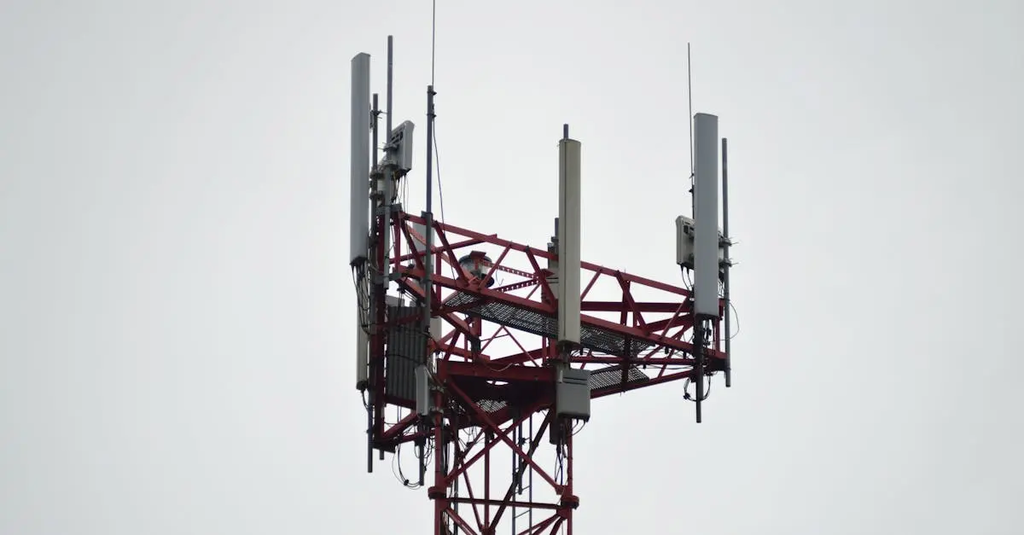
Telecoms & Network Engineering is a specialized field within engineering and technology careers focused on designing, implementing, and maintaining communication systems and networks. Professionals in this area work with technologies such as fiber optics, wireless networks, and satellite communications to ensure efficient data transmission. Their expertise supports internet connectivity, mobile communications, and enterprise networks, playing a vital role in modern digital infrastructure and technological advancements across industries.
Telecoms & Network Engineering+50
Telecoms & Network Engineering is a specialized field within engineering and technology careers focused on designing, implementing, and maintaining communication systems and networks. Professionals in this area work with technologies such as fiber optics, wireless networks, and satellite communications to ensure efficient data transmission. Their expertise supports internet connectivity, mobile communications, and enterprise networks, playing a vital role in modern digital infrastructure and technological advancements across industries.
💡 Key Takeaways
- Understand core concepts in telecoms and network engineering (topology, services, and protocols)
- Identify key network components (routers, switches, base stations, transmission links) and their roles
- Explain common network protocols and how they enable communication (IP, TCP/UDP, routing protocols)
- Evaluate design choices for performance, reliability, scalability, and security in telecom networks
❓ Frequently Asked Questions
What is telecoms and network engineering?
Telecoms covers communication systems that transmit voice and data over distances (wired and wireless). Network engineering designs and maintains data networks, including routing, switching, and protocols.
What is the difference between a router and a switch?
A router connects different networks and routes IP traffic between them; a switch connects devices within a local network and forwards frames based on MAC addresses.
What is IP addressing and subnetting?
An IP address identifies a device on a network; subnetting divides a larger network into smaller segments to improve management, performance, and security.
What is Quality of Service (QoS) in networks?
QoS prioritizes certain types of traffic (like voice or video) to ensure consistent performance on shared links.