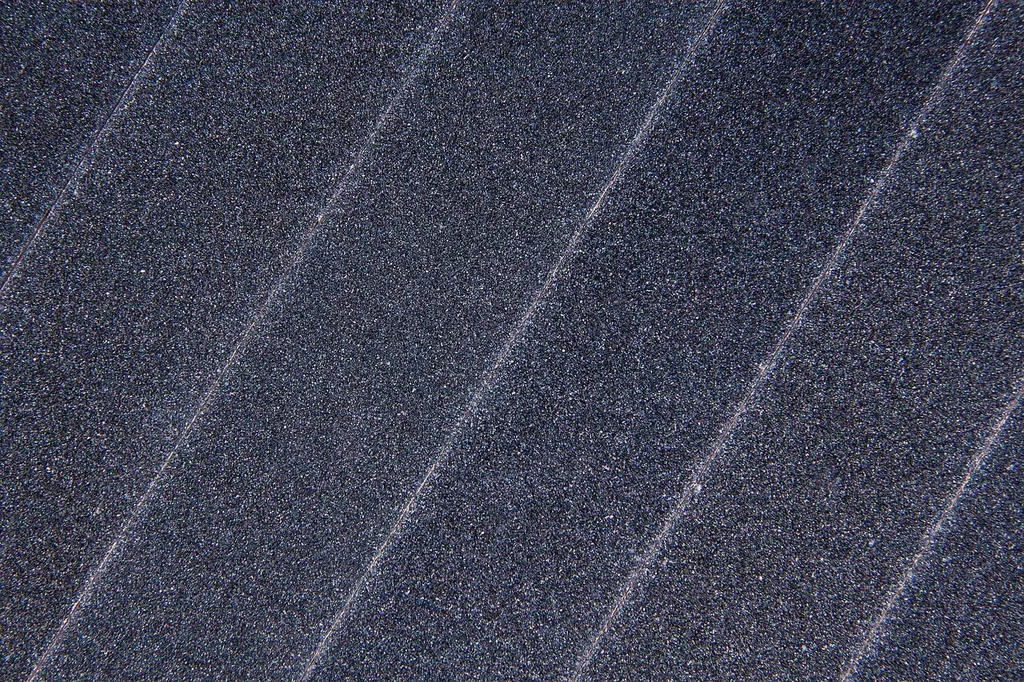
Texture and surface treatments refer to the methods and techniques used to alter or enhance the feel, appearance, and tactile quality of a material’s surface. These treatments can involve physical manipulation, such as sanding, embossing, or etching, as well as the application of coatings, paints, or finishes. The goal is often to create visual interest, improve functionality, or achieve a specific aesthetic, making the material more appealing or suitable for its intended use.
Texture and Surface Treatments
Texture and surface treatments refer to the methods and techniques used to alter or enhance the feel, appearance, and tactile quality of a material’s surface. These treatments can involve physical manipulation, such as sanding, embossing, or etching, as well as the application of coatings, paints, or finishes. The goal is often to create visual interest, improve functionality, or achieve a specific aesthetic, making the material more appealing or suitable for its intended use.
💡 Key Takeaways
- Understand what texture and surface treatments are and how they affect feel and appearance.
- Distinguish physical texture methods (sanding, embossing, etching) from coating-based finishes (paints, varnishes, waxes).
- Learn basic techniques and tools to create textures on common arts & crafts materials.
- Consider safety, durability, and material compatibility when choosing surface treatments for a project.
❓ Frequently Asked Questions
What is texture in arts and crafts?
Texture refers to how a surface feels (tactile) or appears to feel—rough, smooth, bumpy, or patterned—created by marks, tools, or coatings.
What are common surface treatment methods to alter texture?
Physical methods such as sanding, embossing, and etching, plus applied finishes like paints, coatings, varnishes, waxes, or patinas.
How do sanding, embossing, and etching differ?
Sanding smooths or abrades the surface; embossing raises a design; etching removes material to create recessed lines or patterns.
Why apply coatings or finishes to a surface?
To protect the material, change color or sheen, enhance tactile feel, and improve durability and longevity of the texture.