The art of latte making blends technical skill and creativity, requiring precise espresso extraction, careful milk steaming, and expert pouring to achieve velvety texture and intricate designs. This process reflects a broader coffee and caffeine culture, where enthusiasts appreciate not just the beverage’s taste but also its visual appeal and social ritual. Mastering latte art symbolizes dedication to the craft, elevating the everyday coffee experience into a form of personal and communal expression.
The Art of Latte Making
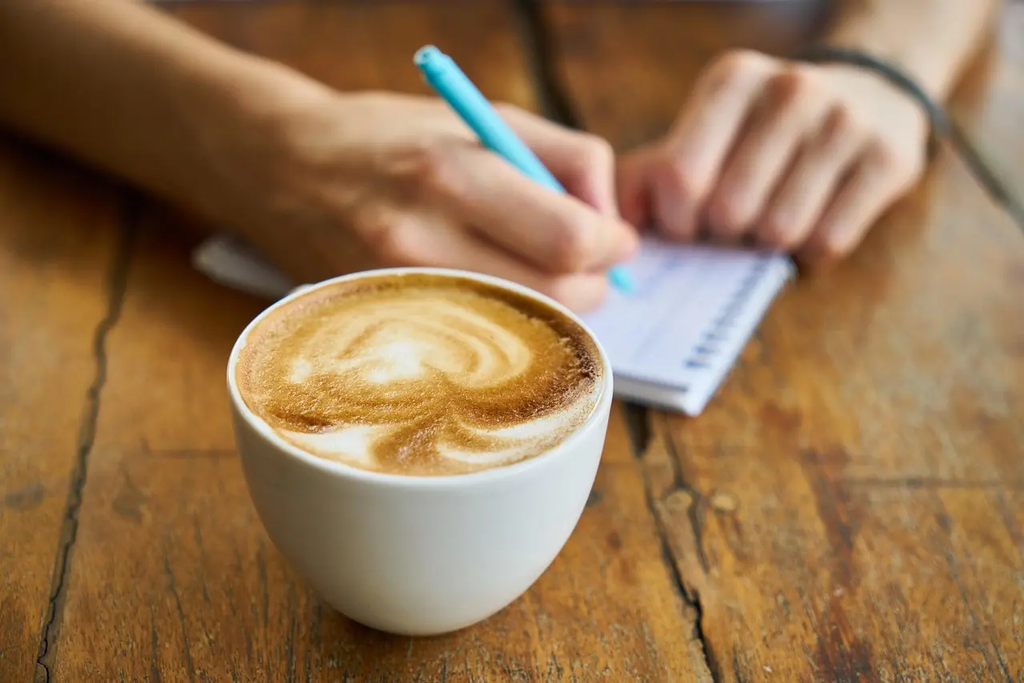
The art of latte making blends technical skill and creativity, requiring precise espresso extraction, careful milk steaming, and expert pouring to achieve velvety texture and intricate designs. This process reflects a broader coffee and caffeine culture, where enthusiasts appreciate not just the beverage’s taste but also its visual appeal and social ritual. Mastering latte art symbolizes dedication to the craft, elevating the everyday coffee experience into a form of personal and communal expression.
💡 Key Takeaways
- Pull a consistent espresso shot as the latte base
- Steam milk to create silky microfoam at the right temperature
- Achieve the ideal espresso-to-milk balance for a creamy latte
- Add simple latte art to improve presentation
❓ Frequently Asked Questions
What distinguishes a latte from a cappuccino?
A latte uses mostly steamed milk with a thin layer of microfoam; a cappuccino has a thicker foam layer and a stronger espresso-to-milk balance (often 1:1:1 for espresso, milk, and foam).
What is microfoam and why is it important for latte art?
Microfoam is velvety milk with tiny, uniform bubbles. It pours smoothly and helps create or hold latte art.
What is the typical espresso-to-milk ratio for a latte?
Typically 1–2 shots of espresso with about 6–10 oz of steamed milk and a thin foam layer; by volume, roughly 1 part espresso to 3–4 parts milk.
How do you texture milk for latte art?
Purge the wand, introduce air to create microfoam, submerge and heat to around 65°C (150°F) while keeping it glossy, then swirl and pour steadily to form the design.