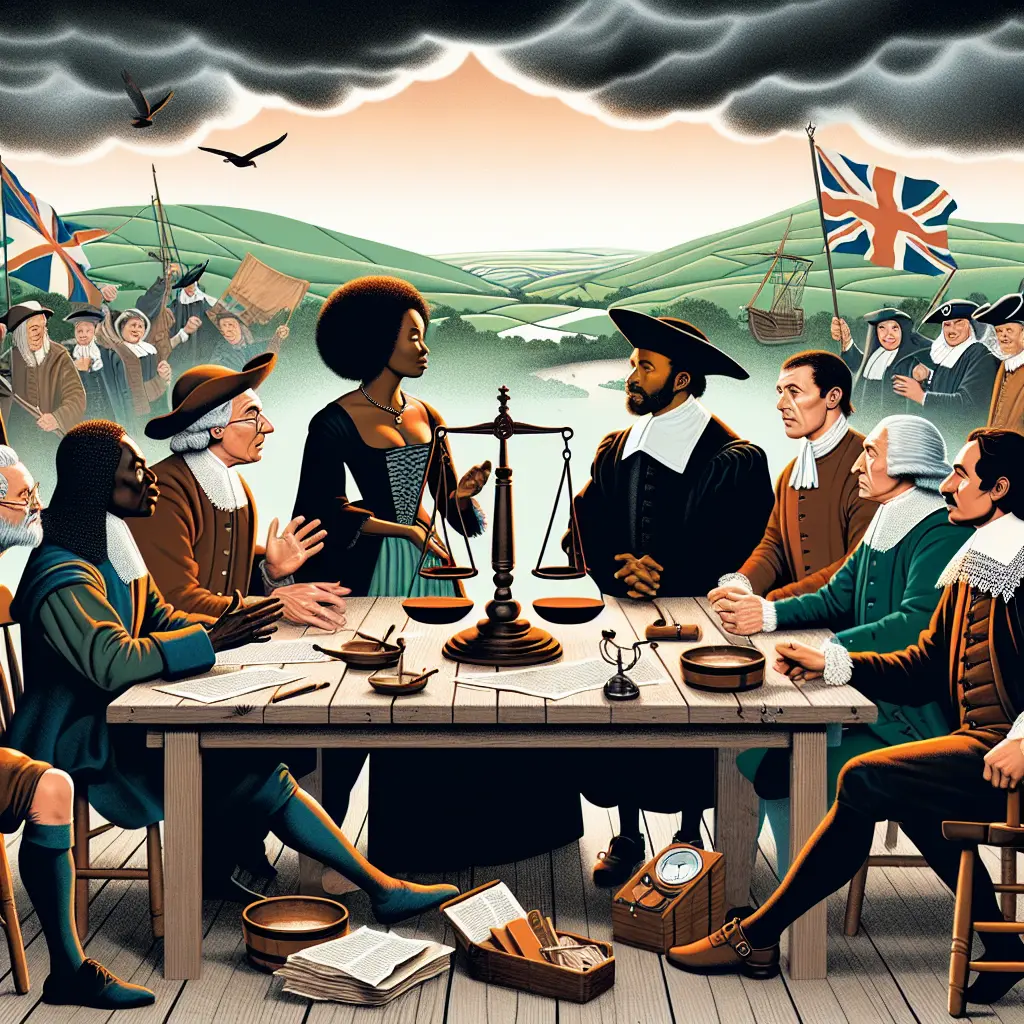
The Battle of Culloden, fought on April 16, 1746, was the final confrontation of the Jacobite rising of 1745. It took place on Culloden Moor near Inverness, Scotland, between the Jacobite forces of Charles Edward Stuart and the British government army led by the Duke of Cumberland. The battle resulted in a decisive defeat for the Jacobites, ending their hopes of restoring the Stuart monarchy and marking a turning point in Scottish history.
The Battle of Culloden
The Battle of Culloden, fought on April 16, 1746, was the final confrontation of the Jacobite rising of 1745. It took place on Culloden Moor near Inverness, Scotland, between the Jacobite forces of Charles Edward Stuart and the British government army led by the Duke of Cumberland. The battle resulted in a decisive defeat for the Jacobites, ending their hopes of restoring the Stuart monarchy and marking a turning point in Scottish history.
💡 Key Takeaways
- Identify Culloden as the final battle of the 1745 Jacobite rising, fought on 16 April 1746 on Culloden Moor near Inverness.
- Know the two sides and their leaders: Jacobite forces led by Charles Edward Stuart vs the British government army commanded by the Duke of Cumberland.
- Understand the battle’s outcome: a decisive government victory that crushed the Jacobite uprising and led to severe penalties for Jacobite supporters.
- Recognize the broader consequences: the suppression of Highland culture, sweeping policy changes, and lasting impacts on Scottish history.
❓ Frequently Asked Questions
When and where did the Battle of Culloden take place?
The battle occurred on April 16, 1746, on Culloden Moor near Inverness, Scotland.
Who were the opposing sides and leaders in the Battle of Culloden?
The Jacobites led by Charles Edward Stuart fought the British government army commanded by the Duke of Cumberland.
What was the outcome of the battle?
It was a decisive government victory, effectively ending the Jacobite rising of 1745.
Why is Culloden significant in British history?
Its defeat ended the Jacobite threat and led to harsher measures in the Highlands, influencing Scottish policy for years.