The Levellers were a political movement during the English Civil War (1642–1651) that advocated for popular sovereignty, extended suffrage, equality before the law, and religious tolerance. Emerging among radical factions of the Parliamentary army, they challenged the existing social and political hierarchy, calling for reforms such as annual parliaments and legal equality. Their ideas, expressed in pamphlets and petitions, significantly influenced later democratic developments, despite their eventual suppression by the authorities.
The Levellers
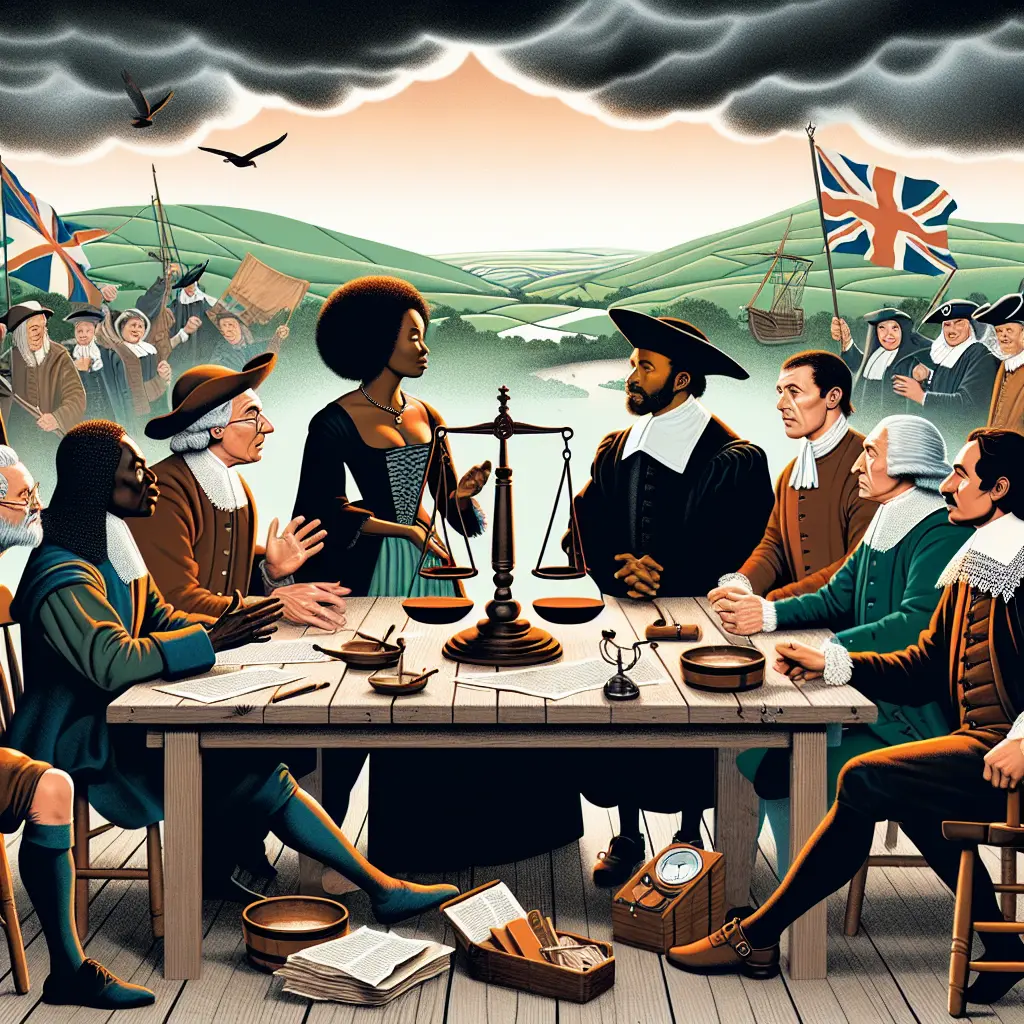
The Levellers were a political movement during the English Civil War (1642–1651) that advocated for popular sovereignty, extended suffrage, equality before the law, and religious tolerance. Emerging among radical factions of the Parliamentary army, they challenged the existing social and political hierarchy, calling for reforms such as annual parliaments and legal equality. Their ideas, expressed in pamphlets and petitions, significantly influenced later democratic developments, despite their eventual suppression by the authorities.
💡 Key Takeaways
- Understand who the Levellers were and their role in the English Civil War (1642–1651).
- Identify the Levellers' core goals: popular sovereignty, extended suffrage, equality before the law, and religious tolerance.
- Explore how they sought political reform through documents like the Agreement of the People and calls for annual Parliaments.
- Consider why their ideas were controversial and how they influenced later liberal and constitutional thought.
❓ Frequently Asked Questions
Who were the Levellers and when did they operate?
They were a radical political movement during the English Civil War (roughly the 1640s) within the Parliamentary army, advocating popular sovereignty, extended suffrage, equality before the law, and religious tolerance.
What did the Levellers propose about voting rights?
They argued for broader suffrage beyond traditional property qualifications, aiming for more men to have a say in government and for frequent elections.
What were the Levellers' views on the legal system and equality?
They called for equality before the law and limits on arbitrary power, emphasizing that laws should protect all free subjects equally.
What was the Levellers' stance on religion?
They supported religious tolerance and conscience-based worship, challenging the dominance of an established church.
What is the Agreement of the People?
A key Leveller document outlining constitutional reforms (e.g., sovereignty of the people, annual parliaments, expanded suffrage) used to promote their program.