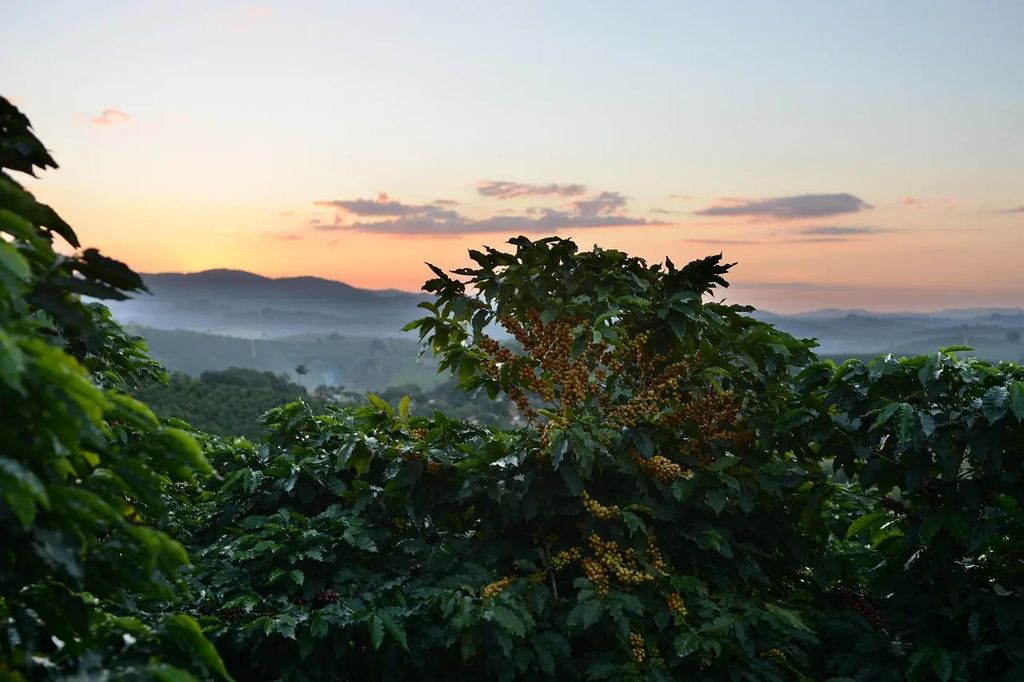
The coffee plant is a tropical shrub whose beans are harvested, roasted, and brewed to create coffee, a globally cherished beverage. Coffee culture revolves around social rituals, specialty cafes, and diverse brewing methods, while caffeine, its primary stimulant, fuels productivity and alertness. Over centuries, coffee has shaped economies, inspired art, and fostered connections, making it an integral part of daily life and cultural identity worldwide.
The Coffee Plant
The coffee plant is a tropical shrub whose beans are harvested, roasted, and brewed to create coffee, a globally cherished beverage. Coffee culture revolves around social rituals, specialty cafes, and diverse brewing methods, while caffeine, its primary stimulant, fuels productivity and alertness. Over centuries, coffee has shaped economies, inspired art, and fostered connections, making it an integral part of daily life and cultural identity worldwide.
💡 Key Takeaways
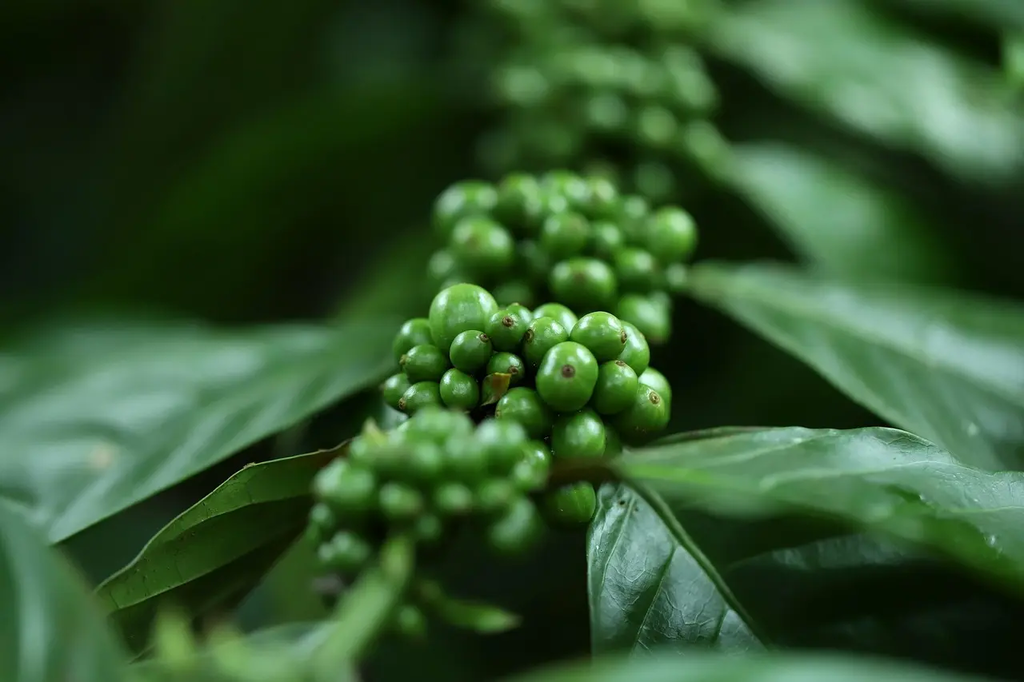
- Identify the parts of the coffee plant (leaves, cherries, beans) and their roles.
- Explain where coffee plants grow best and the climate, altitude, and rainfall needs.
- Describe common processing methods (wet vs dry) and how processing affects flavor and caffeine.
- Compare Arabica and Robusta varieties and how variety influences taste and caffeine content.
❓ Frequently Asked Questions
What are the two main cultivated coffee plant species?
The two most widely grown are Coffea arabica (Arabica) and Coffea canephora (Robusta); Arabica is usually sweeter and more nuanced, while Robusta has higher caffeine and more bitterness.
What climate and conditions do coffee plants need?
Coffee plants grow in tropical regions near the equator, prefer warm days with cooler nights, ample rainfall, well‑drained soil, and suitable altitude (roughly 600–2000 meters depending on variety).
What are the main stages from coffee cherry to green bean?
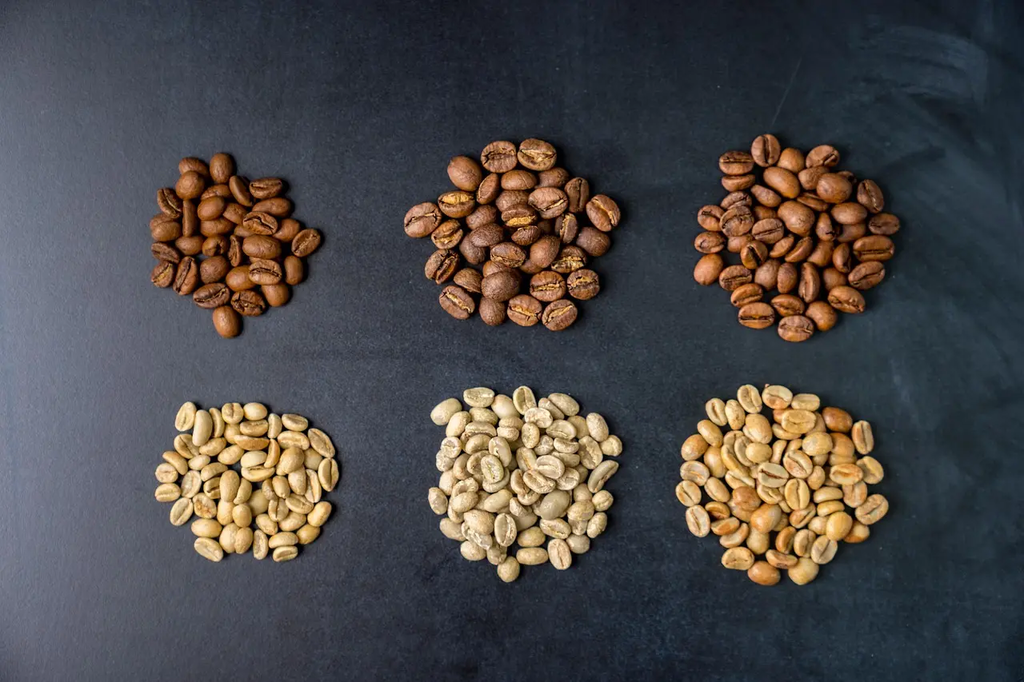
Cherries are harvested, the fruit pulp is removed via wet or dry processing, the beans are dried, and then stored as green coffee beans ready for roasting.
What factors influence coffee flavor before roasting?
Variety, terroir (soil, altitude, climate), processing method, and freshness—all shape acidity, body, and aroma.
How long before a coffee plant bears fruit?
Most coffee plants begin flowering and fruiting about 3–4 years after planting, depending on variety and growing conditions.