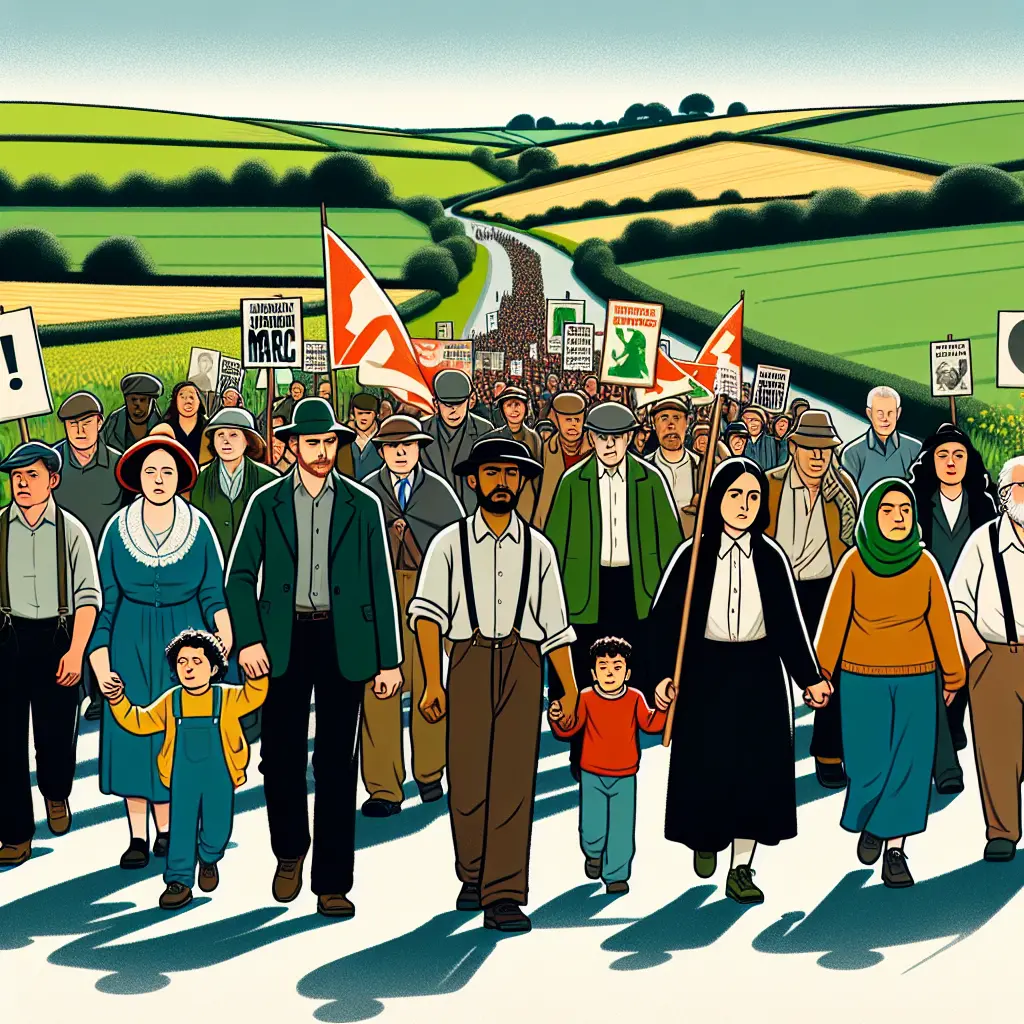
The Corn Laws were a series of British tariffs and trade restrictions on imported grain, enacted between 1815 and 1846. Designed to protect domestic agriculture by keeping grain prices high, they benefited wealthy landowners but caused food prices to rise, hurting the working class. The laws sparked intense political debate and widespread protest, ultimately leading to their repeal in 1846, which marked a significant shift towards free trade in Britain.
The Corn Laws
The Corn Laws were a series of British tariffs and trade restrictions on imported grain, enacted between 1815 and 1846. Designed to protect domestic agriculture by keeping grain prices high, they benefited wealthy landowners but caused food prices to rise, hurting the working class. The laws sparked intense political debate and widespread protest, ultimately leading to their repeal in 1846, which marked a significant shift towards free trade in Britain.
💡 Key Takeaways
- Understand what the Corn Laws were (tariffs and restrictions on imported grain) and the years they were in force (1815–1846).
- Explain the policy’s aim to protect domestic agriculture by keeping grain prices high and who benefited (wealthy landowners).
- Describe the impact on ordinary people, particularly how higher food prices affected the working class.
- Recognize the political and economic debate around protectionism versus free trade and the eventual repeal of the laws in 1846.
❓ Frequently Asked Questions
What were the Corn Laws and when were they in place?
The Corn Laws were a series of British tariffs and restrictions on imported grain, enacted to protect domestic agriculture. They operated from 1815 to 1846.
How did the Corn Laws affect prices and different social groups?
They kept grain prices high to benefit landowners, but raised food prices for consumers, especially hurting the working class.
Why were the Corn Laws controversial?
They favored wealthy landowners and restricted competition, fueling calls for free trade and reform and provoking urban unrest.
Who led the repeal of the Corn Laws and when did it happen?
Sir Robert Peel and the government repealed them in 1846.
What does the term 'corn' mean in the context of the Corn Laws?
In Britain, 'corn' refers to grain in general (such as wheat and barley), not specifically maize.