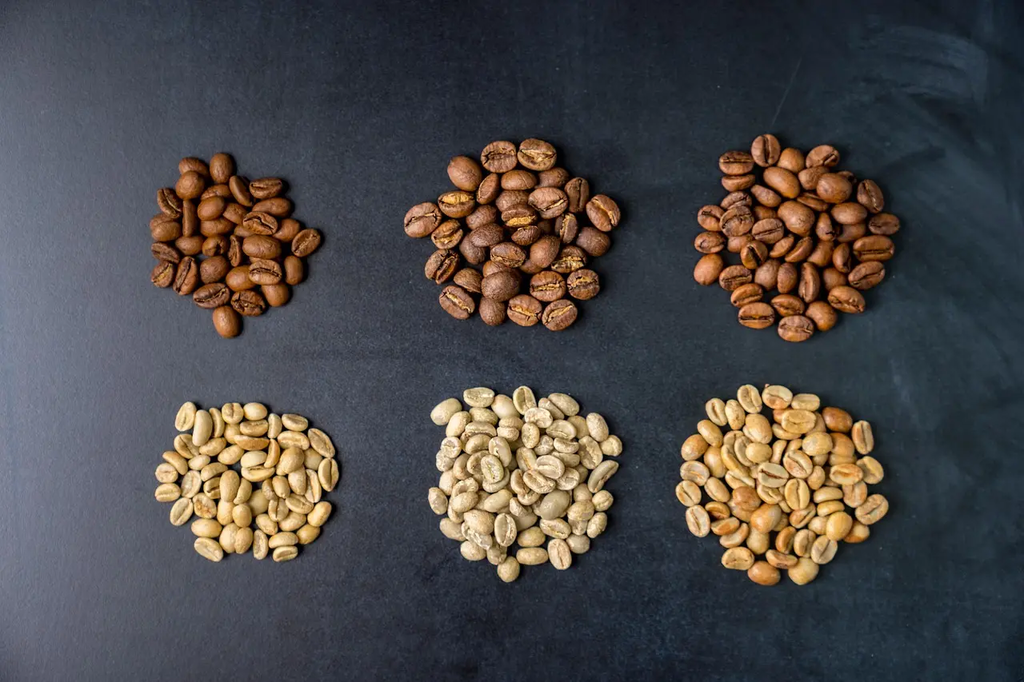
The economics of coffee explores how coffee production, trade, and consumption impact global markets and local economies. Coffee is a major export commodity, supporting millions of farmers worldwide. Its pricing is influenced by supply, demand, weather, and international policies. Coffee culture, fueled by caffeine’s stimulating effects, drives demand and shapes social habits, creating thriving café industries and specialty markets. This interconnected system highlights coffee’s significant economic and cultural value.
The Economics of Coffee
The economics of coffee explores how coffee production, trade, and consumption impact global markets and local economies. Coffee is a major export commodity, supporting millions of farmers worldwide. Its pricing is influenced by supply, demand, weather, and international policies. Coffee culture, fueled by caffeine’s stimulating effects, drives demand and shapes social habits, creating thriving café industries and specialty markets. This interconnected system highlights coffee’s significant economic and cultural value.

💡 Key Takeaways
- Understand the main factors driving coffee prices: supply, demand, weather, and exchange rates.
- Trace the coffee supply chain from farm to cup and how each stage affects cost and value.
- Compare conventional vs. specialty coffee markets, including how quality and certifications influence pricing.
- Explore how climate change and farm-level risks impact farmer incomes and market volatility.
❓ Frequently Asked Questions
What factors determine global coffee prices?
Global prices are driven by supply from major producers, demand from big consuming regions, weather and pests, currency movements, stock levels, and activity in futures markets.
What is the role of coffee futures contracts in pricing?
Futures help with price discovery and hedge risk by locking in prices for future deliveries; they can also add short‑term volatility due to trading activity.
Why do some coffees command a premium?
Premiums come from higher quality, unique origin, specialized processing, and certifications (e.g., organic, Fair Trade); they reflect value, cost, and desirability to buyers.
What causes coffee price volatility from year to year?
Volatility stems from crop size swings (weather, drought, disease), harvest timing, shifts in demand, stock levels, and market speculation.
How does currency exchange affect coffee exporters and buyers?
Coffee is typically priced in USD; exporters in volatile or depreciating local currencies face exchange-rate risk, which can be hedged but still influences profits and costs.