The phrase highlights that the term "virtual reality" originated not from technological development, but from a work of science fiction. This surprising fact underlines how imaginative storytelling can influence real-world language and innovation. It suggests that concepts we now associate with advanced technology were once just speculative ideas, demonstrating the power of fiction to shape and inspire future advancements in science and technology.
The first known use of the word 'virtual reality' was in a science fiction story
The phrase highlights that the term "virtual reality" originated not from technological development, but from a work of science fiction. This surprising fact underlines how imaginative storytelling can influence real-world language and innovation. It suggests that concepts we now associate with advanced technology were once just speculative ideas, demonstrating the power of fiction to shape and inspire future advancements in science and technology.
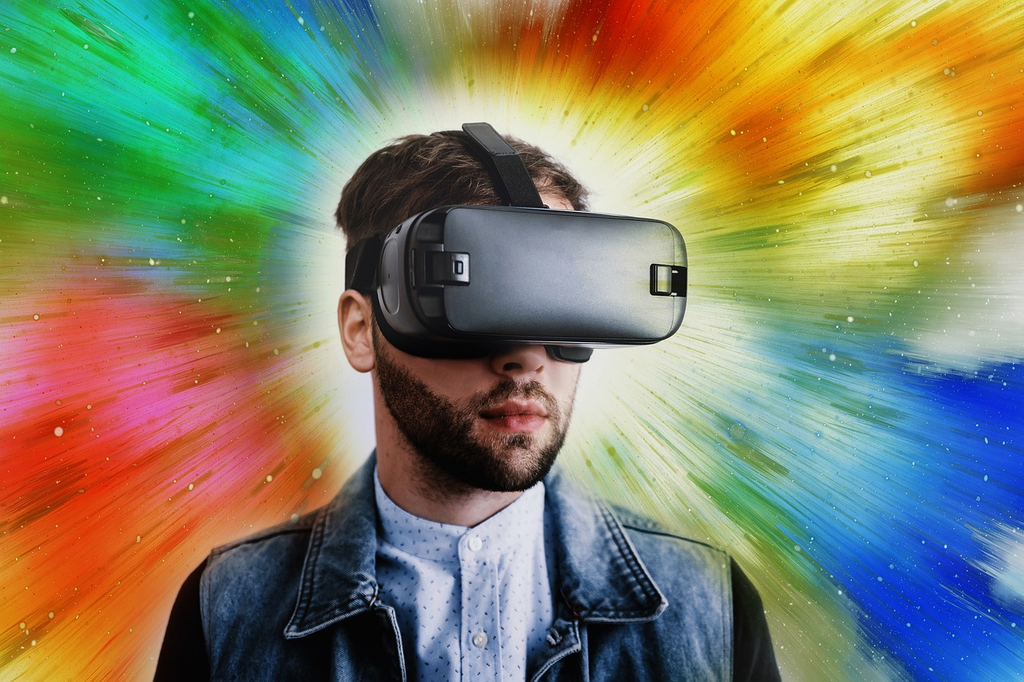
💡 Key Takeaways
- Learn that the term 'virtual reality' was first used in a science fiction story, signaling early imaginative concepts.
- See how fiction anticipated VR and influenced later research and development.
- Distinguish between fictional portrayals of virtual reality and real-world VR systems (hardware, software, interaction).
- Understand the rough timeline from literary mention to modern VR milestones.
- Get a sense of how VR terminology has evolved from speculative fiction to everyday technology.
❓ Frequently Asked Questions
What does virtual reality (VR) mean?
VR is a computer-generated, immersive 3D environment that you can interact with as if you were inside it, typically using a headset and motion controllers.
Who first used or popularized the term 'virtual reality'?
The concept has roots in science fiction, with early writers like Stanley G. Weinbaum describing immersive artificial worlds. The exact phrase was popularized in the 1980s by researchers and technologists, notably Jaron Lanier.
How is VR different from AR and MR?
VR creates a fully immersive digital world separate from the real world. AR overlays digital content onto the real world, while MR blends real and virtual elements so they interact with each other.
When did VR become a real technology?
Early VR concepts and prototypes emerged in the 1960s–1980s, and the term gained prominence in the 1980s. Consumer VR headsets became common in the 2010s, enabling widespread use.